Trending
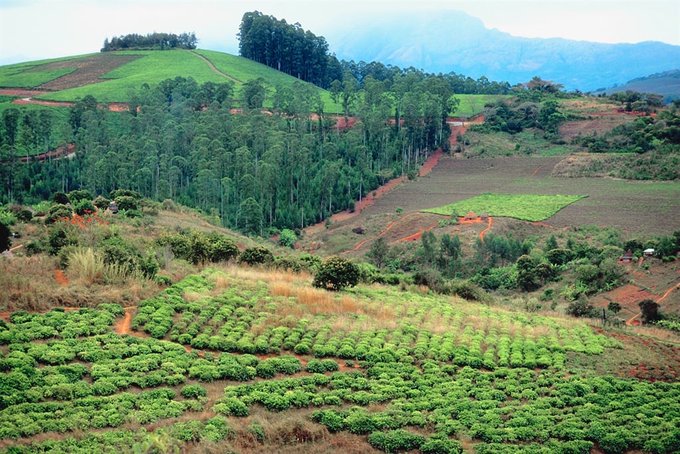
Zimbabwe says it will return dozens of foreign-owned farms seized during the country’s controversial land reform programme, while insisting the policy itself remains unchanged and irreversible.
The announcement, made by Agriculture Minister Anxious Masuka on Friday, affects 67 farms protected under bilateral investment agreements but which the government says remained unoccupied after the land redistribution exercise launched by former President Robert Mugabe in 2000.
The farms belong to investors from Denmark, Germany, the Netherlands and Switzerland. Masuka also disclosed that more than 400 white commercial farmers would be allowed to buy back all or part of their former properties, while another 840 farms owned by black Zimbabweans would be restored.
Zimbabwe’s land reform programme began more than two decades ago with the stated goal of correcting colonial-era land inequalities, in which large tracts of fertile land were controlled by a white minority. Thousands of white farmers were removed from their land, often violently, as properties were redistributed to black Zimbabweans.
The policy, however, contributed to economic instability and international isolation, with Western countries imposing sanctions and limiting Zimbabwe’s access to global financial systems.
Defending the government’s position, Masuka said that land reform addressed historical injustices stemming from colonial rule.
“Land was a core grievance against the heinous and minority settler oppressive regime. This drove thousands of blacks to wage an armed struggle to liberate ourselves from the shackles of oppression,” he said.
“Now the people are with their land and the land with its masters. Land reform is, therefore, irreversible.”
Critics, however, argue the latest move reflects inconsistency in government policy. Social justice activist Tendai Mbofana told AFP that Zimbabwe’s land programme has been driven by political convenience, describing it as “characterised by a jarring disconnect between its revolutionary rhetoric and its pragmatic concessions”.
Read More : Truck-Minibus Crash Kills 27 in Zimbabwe
President Emmerson Mnangagwa’s administration has attempted to rebuild relations with Western creditors and investors. In 2020, the government agreed to pay $3.5 billion in compensation to about 3,500 displaced commercial farmers, though Zimbabwe’s debt burden of more than $21 billion has complicated repayment efforts.
The compensation plan was later revised in 2023, offering one per cent cash payments and the balance through US-dollar-denominated treasury bonds carrying two per cent interest.
Once regarded as southern Africa’s breadbasket, Zimbabwe continues to face recurring food shortages and economic difficulties, with analysts closely watching whether the latest land decision could improve investor confidence and relations with international partners.