Trending
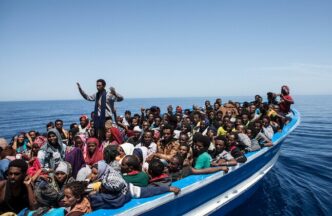
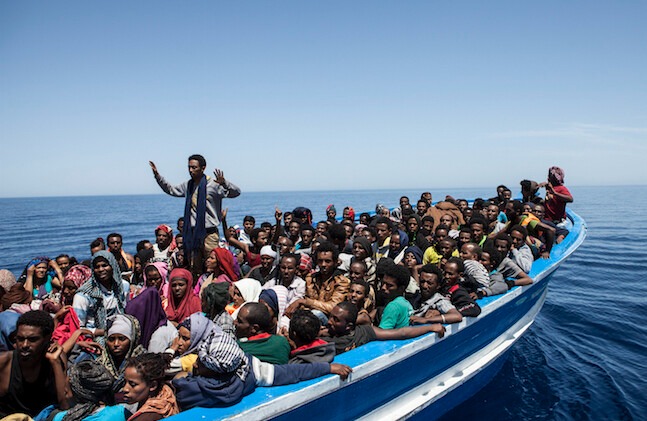
No fewer than 8,000 migrants were reported dead or missing in 2025, according to the latest data released by the International Organisation for Migration (IOM).
IOM’s data revealed that at least 340,000 family members have been directly affected worldwide. Although arrivals declined in some regions, IOM’s recent data indicate that migration routes are shifting and risky journeys along dangerous routes are increasing.
“Routes are shifting in response to conflict, climate pressures and policy changes, but the risks are still very real,” IOM Director-General Amy Pop said in a statement.
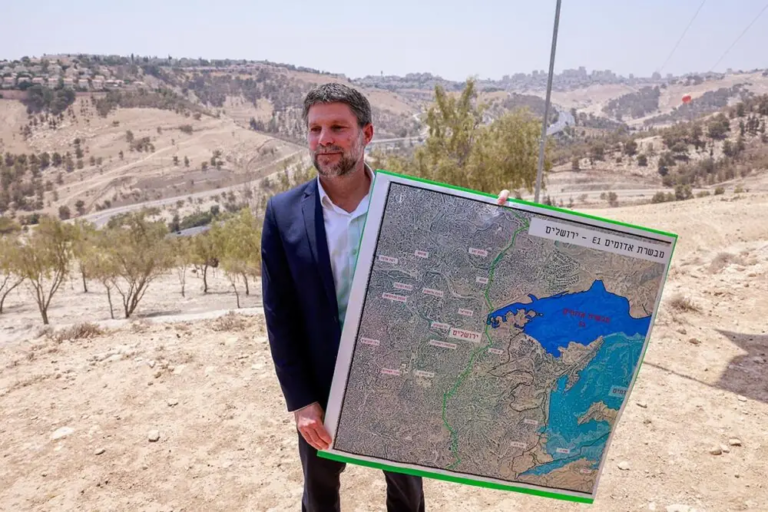
Read More : Smotrich Calls for Gaza, Lebanon Annexation
“Behind these numbers are people taking dangerous journeys and families left waiting for news that may never come. Data is critical to understanding these routes and designing interventions that can reduce risks, save lives and promote safer migration pathways.”
The 2025 Global Overview of Migration Routes shows that lower arrival figures in some regions do not reflect reduced migration pressure but rather changing journeys, as enforcement measures, conflict dynamics and environmental stress have altered established pathways.
Northbound movements along the Central American route fell sharply compared to 2024. In Europe, overall arrivals declined, but the profile of movements changed, with Bangladeshi nationals becoming the largest group arriving while Syrian arrivals fell following political and policy shifts.
Movements towards the Kingdom of Saudi Arabia decreased slightly from 2024 but remained above 2023 levels in the Horn of Africa, while migration from East Africa towards Southern Africa increased late in the year.
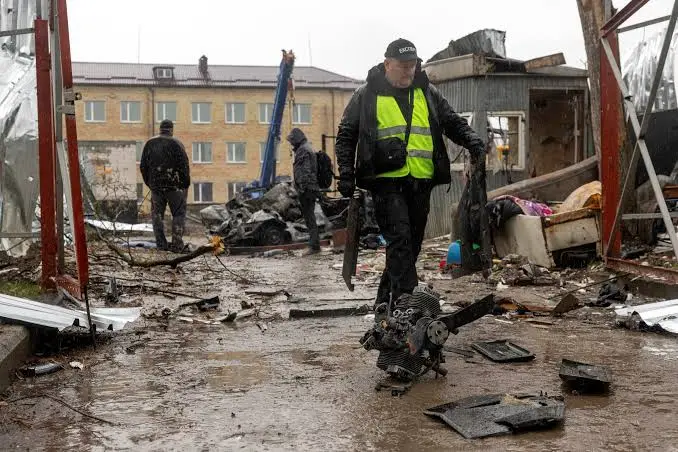
Read More : Russian Strikes Kill Five in Ukraine
Along the Western African Atlantic route, arrivals at the Canary Islands have dropped following strengthened border cooperation, but journeys have become longer, more dangerous, and more geographically dispersed.
Across regions, the data reveal persistent pressures along migration routes. Thousands of migrants were stranded in border areas with limited access to shelter, health care and protection, while returns and relocations increased, placing additional strain on local services.
The findings show that changing routes does not mean reduced harm. As journeys become more fragmented and hazardous, deaths, disappearances, and the suffering of families left behind remain a persistent reality.