Trending
The Democratic Republic of Congo has resumed cobalt exports after a 10-month halt intended to stem falling prices due to global oversupply, the government said on Tuesday.
Initially imposed for four months, the ban was designed to “stabilise the market in the face of an overabundance of supply,” internationally, the government said at the time.
Speaking to AFP reporters, Finance Minister Doudou Fwamba said, “Since Friday, the Democratic Republic of Congo has resumed exporting its cobalt.”
Read More : UN Experts Condemn US Deportation Policy
He stressed the suspension in February had been designed to ensure national sovereignty over raw materials.
“How can we be the number-one supplier of 70 percent of this strategic product yet not influence price formation? We refused to accept that,” Fwamba said.
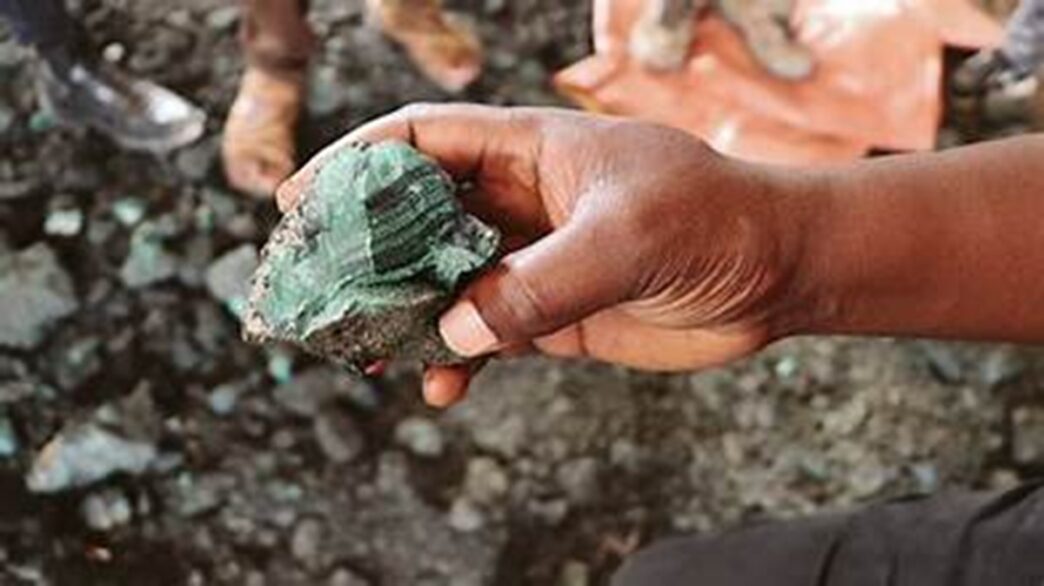
The DRC is the world’s leading producer of cobalt, a metal critical to top-range batteries, including those used in smartphones and electric cars.
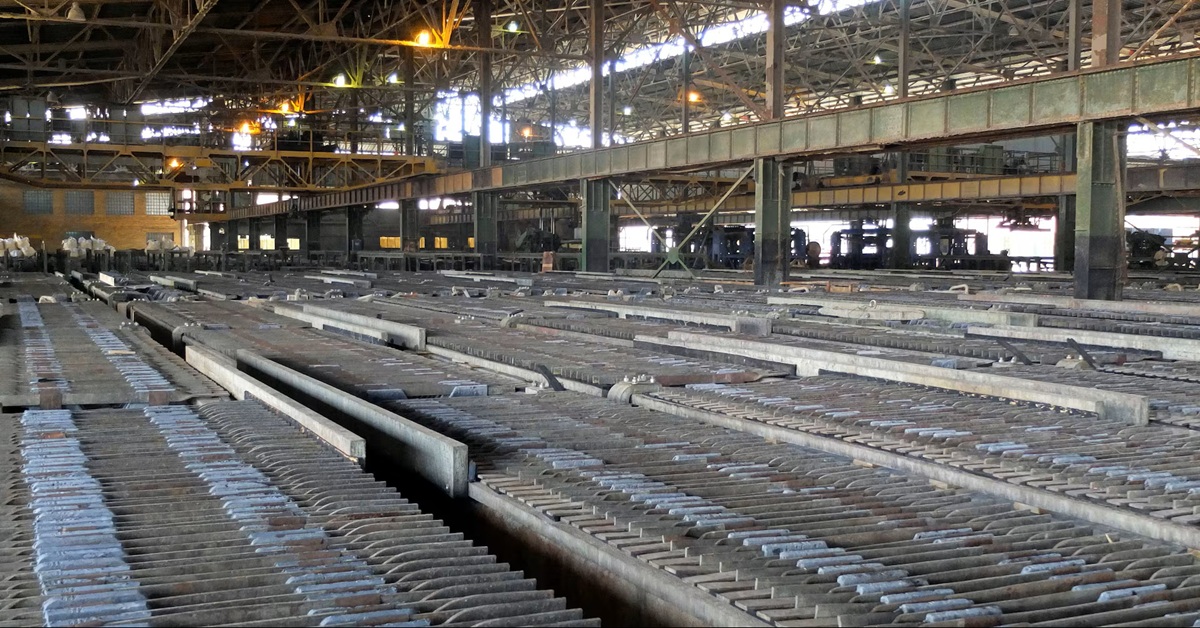
According to a US Geological Survey, the DRC produced 76 percent of the world’s cobalt in 2024.
The export ban was aimed at stemming the fall in prices caused by abundant supply, notably from Chinese mining company CMOC.
CMOC operates Tenke Fungurume and Kisanfu in the DRC, two of the world’s largest mines.
“We lost fiscal revenue due to the systematic decline in prices,” the minister added.
He said the strategy led by Congolese government body ARECOMS, which regulates small-scale subsistence mining had paid off.
“The price of cobalt has risen from $22,000 per tonne to $54,000 or $55,000,” he said.
Read More : Volz Leads US Energy Push at AEW 2026
Despite its mineral wealth, the DRC remains among the world’s least developed countries.
The province has largely been spared from the armed conflict ravaging the eastern mining provinces of North Kivu and South Kivu, where the Rwanda-backed M23 militia controls vast swathes of territory.