Trending
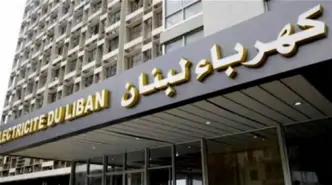
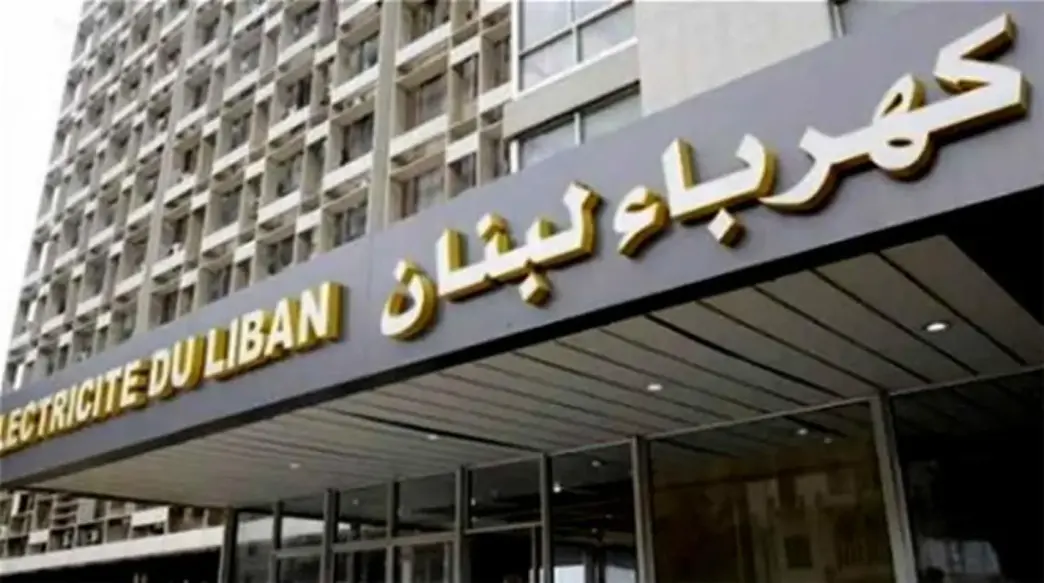
Lebanon has announced plans to buy natural gas from Egypt as part of efforts to cut its dependence on fuel oil and ease chronic electricity shortages that have plagued the country for years.
The electricity sector has cost the Lebanese state more than $40 billion since the end of the 1975–1990 civil war, yet successive governments have failed to stem financial losses, modernise outdated infrastructure or ensure effective bill collection.
As a result, households and businesses continue to rely heavily on costly private generators and solar power to compensate for an unreliable public supply.
Read More : Iran Claims Capture of US Underwater Drone
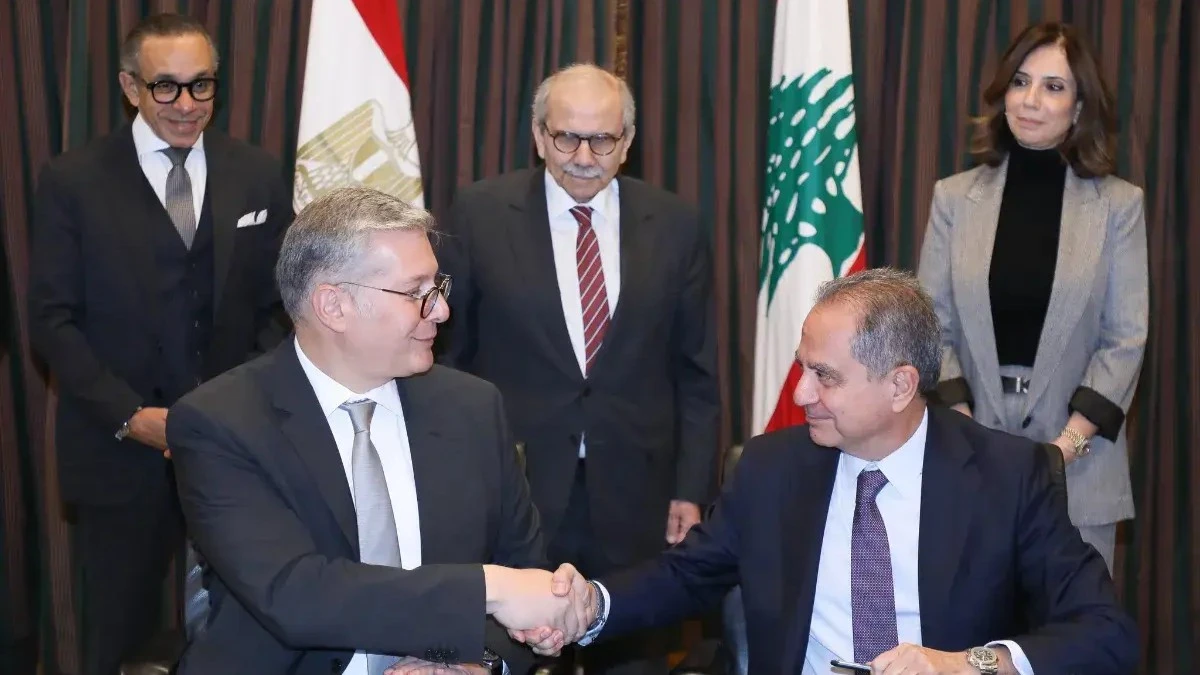
Prime Minister Nawaf Salam’s office said a memorandum of understanding signed with Egypt aims to secure natural gas specifically for electricity generation. The agreement was signed by Lebanon’s Energy Minister Joe Saddi and Egypt’s Minister of Petroleum Karim Badawi.
Saddi said the deal forms part of a broader strategy to transition Lebanon’s power sector towards natural gas while also diversifying supply sources.
However, he cautioned that progress would take time, as sections of the existing gas pipeline network require extensive rehabilitation.
Lebanon plans to approach international donor agencies for financial support to repair the pipelines within its territory, Saddi added, noting that the restoration work could take several months to complete.
President Joseph Aoun described the agreement as a necessary and practical move that would help boost electricity production and improve energy stability across the country.
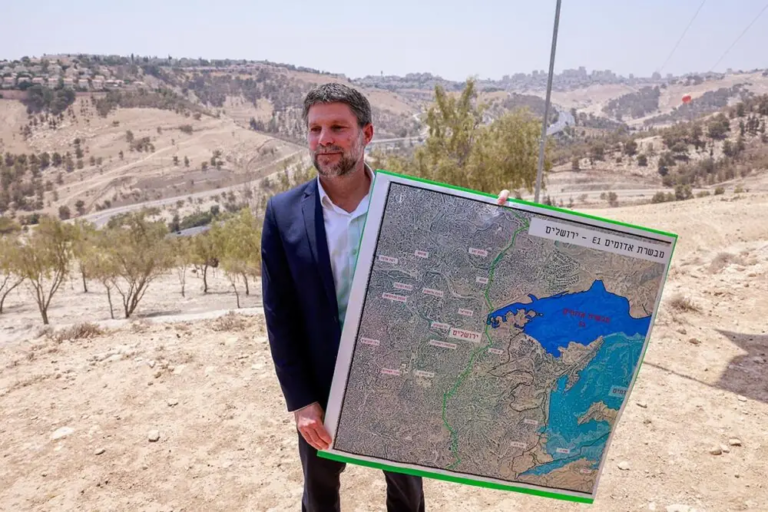
Read More : Smotrich Calls for Gaza, Lebanon Annexation
Egypt’s petroleum ministry said Cairo was fulfilling its regional role by supplying natural gas to Lebanon, stressing that the initiative was intended to strengthen energy security across Arab states.
Lebanon had previously reached an agreement in 2022 to import gas from Egypt and Jordan through Syria, but the deal stalled due to funding challenges and US sanctions on Damascus. Those restrictions were eased following the fall of Syrian leader Bashar al-Assad last year.
In a separate step to reform the sector, Lebanon signed a $250 million deal with the World Bank in April aimed at upgrading and modernising its electricity infrastructure.