Trending
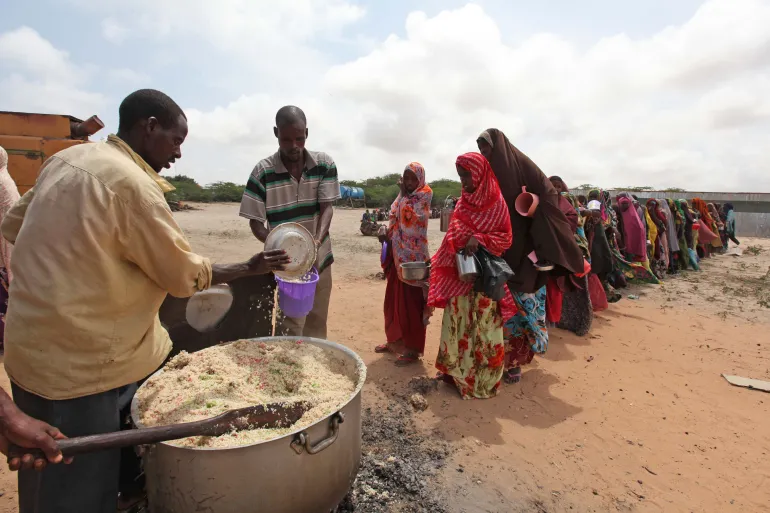
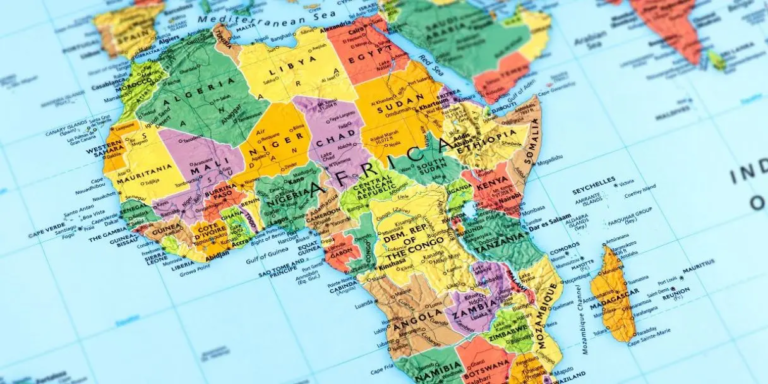
The World Food Programme (WFP) has warned that millions of people in West and Central Africa face worsening hunger unless urgent funding and action are provided.
WFP, in a statement, said 55 million people across the region are expected to experience crisis levels of hunger or worse during the June–August 2026 lean season.
The agency also warned that more than 13 million children are likely to suffer from malnutrition in 2026.
The warning is based on the latest Cadre Harmonisé food security analysis, which projects that over three million people will face emergency levels of food insecurity (Phase 4) this year.
That figure is more than double the 1.5 million people recorded in 2020.
According to the analysis, Nigeria, Chad, Cameroon and Niger account for 77 per cent of the region’s food-insecure population.
In Nigeria’s Borno State, about 15,000 people are at risk of catastrophic hunger (IPC Phase 5) for the first time in nearly a decade.
“Vital humanitarian aid is a transformative and stabilising force in volatile contexts,” said Sarah Longford, WFP’s Deputy Regional Director for West and Central Africa.
Longford said funding cuts in 2025 had worsened hunger and malnutrition across the region, warning that unmet needs could fuel unrest, displacement and conflict.
The reduced funding we saw in 2025 has deepened hunger and malnutrition across the region. As needs outpace funding, so too does the risk of young people falling into desperation. It’s critical that we support communities in crisis so that rampant hunger doesn’t drive further unrest, displacement and conflict across the region.” Longford stated.
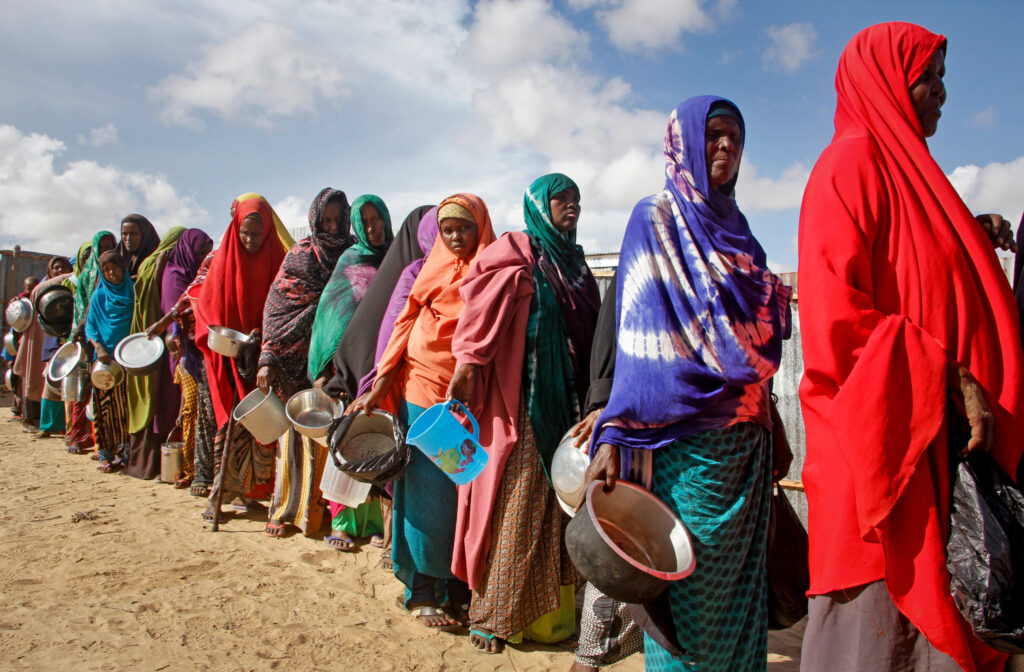
WFP said hunger in the region is being driven by a combination of armed conflict, displacement and economic pressure, with reduced humanitarian assistance now pushing many communities beyond their ability to cope.
In Mali, WFP said areas that received reduced food rations recorded a 64 per cent increase in acute hunger since 2023, while communities that received full rations saw a 34 per cent decrease.
Ongoing insecurity has also disrupted food supply routes, leaving 1.5 million people in Mali expected to face crisis-level hunger.
In Nigeria, funding shortfalls last year forced WFP to scale back nutrition programmes, affecting more than 300,000 children.
The agency said malnutrition levels in several northern states have since worsened from “serious” to “critical.”
The agency warned that the 2026 funding outlook could deepen the crisis further. In Cameroon, more than 500,000 vulnerable people could lose access to life-saving assistance in the coming weeks without new funding.
In Nigeria, WFP said it will only be able to assist 72,000 people in February, down from 1.3 million people reached during the 2025 lean season.
WFP said its programmes have shown clear results when properly funded, including land restoration, school meals, nutrition support and seasonal assistance.
Since 2018, WFP and local communities have restored 300,000 hectares of farmland across five countries, supporting more than four million people.
“To break the cycle of hunger for future generations, we need a paradigm shift in 2026. National governments and their partners must increase investment in preparedness, anticipatory action, and resilience-building to empower communities,” said Longford.
WFP said it urgently needs more than $453 million over the next six months to continue providing life-saving assistance across West and Central Africa.