Trending
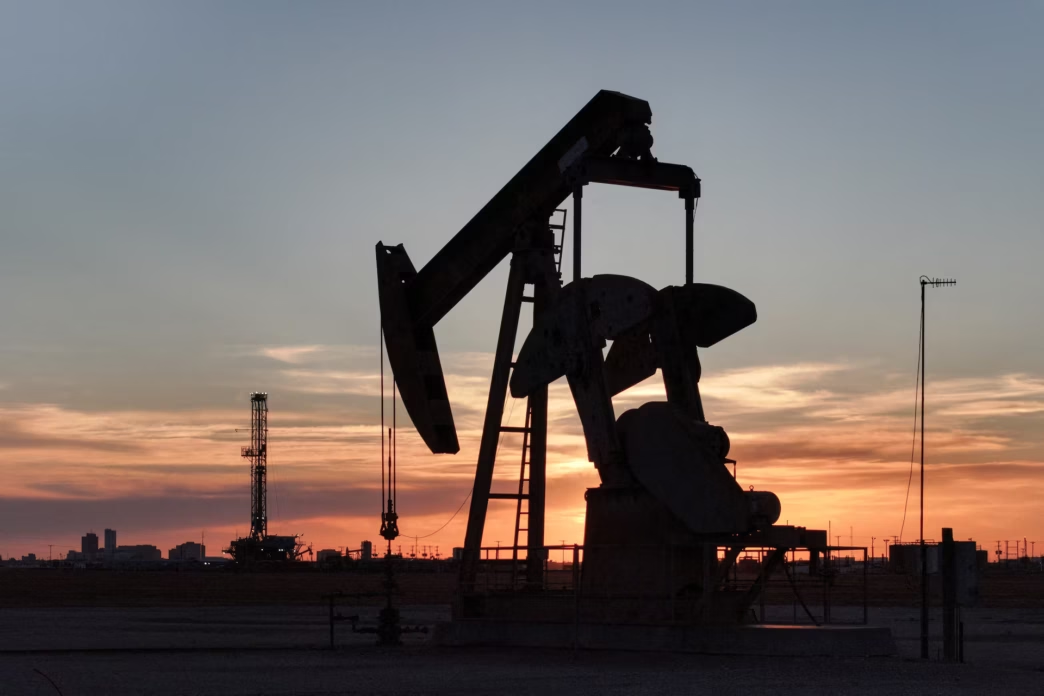
Global oil prices experienced significant volatility on Friday as traders reacted to shifting geopolitical signals, eventually ending the week with substantial gains.
Brent crude settled slightly higher at $105.33, while U.S. West Texas Intermediate saw a modest decline for the day; however, both benchmarks surged over the week, with Brent rising roughly 16%.
A tug-of-war between fears of prolonged supply disruptions and the possibility of renewed diplomatic negotiations drove the market’s fluctuations.
Read More : IEA Ready to Release More Oil Reserves
Prices initially spiked following footage of Iranian commandos boarding a cargo ship in the Strait of Hormuz. This act underscored the continued closure of the world’s most vital oil transit point.
Shipping data revealed that only a handful of vessels have successfully navigated the strait recently, fuelling concerns that energy supplies remain at risk.
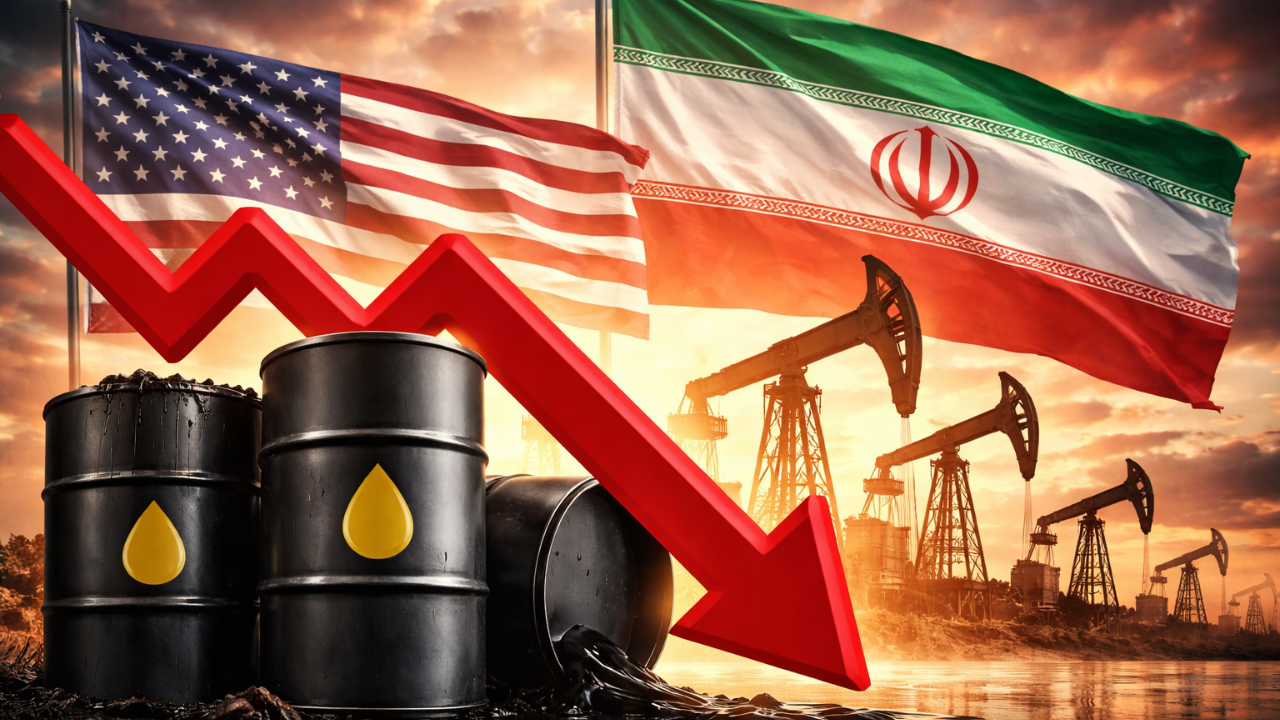
However, the market retreated from its highs following reports that high-level U.S. envoys were travelling to Pakistan to meet with Iranian officials, raising hopes for a diplomatic breakthrough.
Read More : Moody’s Upgrades Sub-Saharan Outlook
President Trump further influenced the market by suggesting that Iran was preparing an offer to meet U.S. demands, though he noted that the outcome remains uncertain.
Analysts pointed out that many traders chose to liquidate their positions ahead of a high-stakes weekend, wary of potential “Saturday surprises” or sudden military escalations.
While the U.S. has expressed confidence in its ability to manage regional threats, the effective blockade of the Strait of Hormuz continues to keep the energy market on edge.