Trending
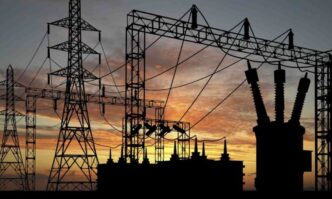

Nigeria’s Independent System Operator (NISO) has attributed Tuesday’s national grid collapse to a voltage disturbance at the Gombe transmission substation.
In a statement issued on Tuesday to update the public on repair and restoration efforts, the system operator clarified that the incident did not amount to a total grid failure, contrary to reports by some media outlets. It described the event as the second grid disturbance recorded in 2026.
According to NISO, the disturbance originated at the Gombe transmission substation and quickly spread across other parts of the transmission network. The voltage fluctuation affected several substations, including Jebba, Kainji and Ayede, before stabilisation measures were implemented.
Read More : Tinubu To Inaugurate APC Campaign Council
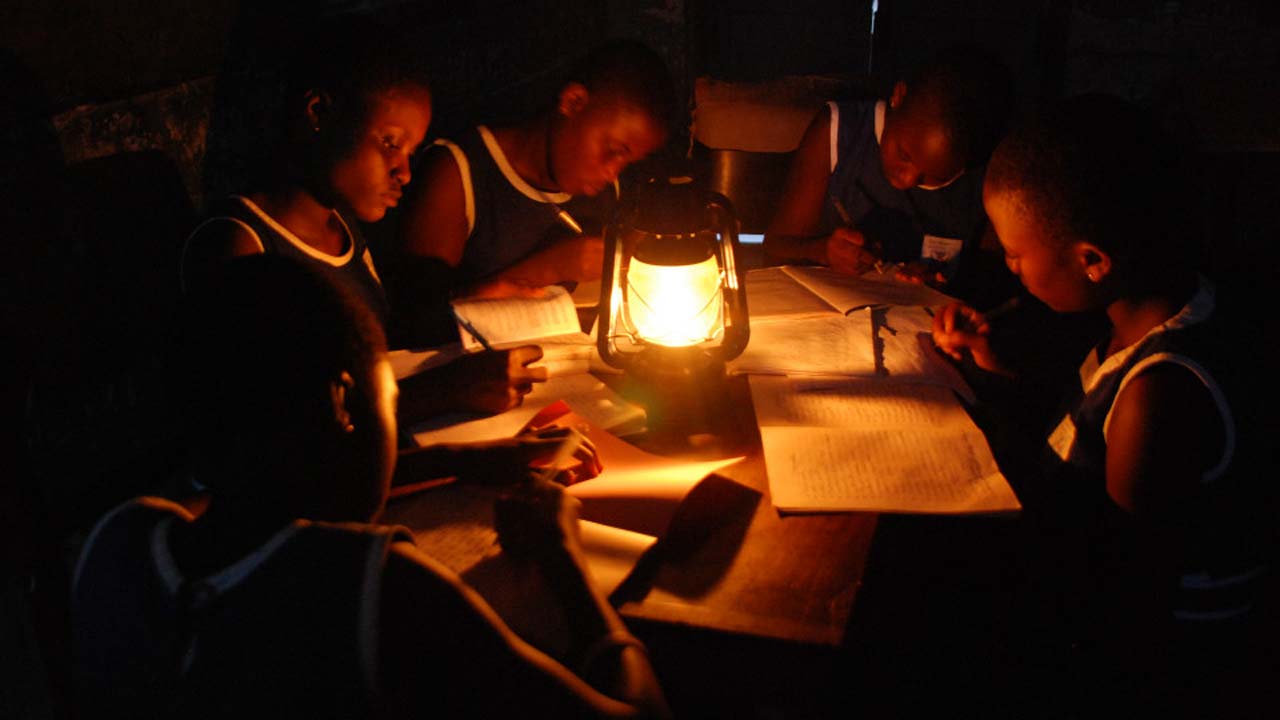
The incident led to the tripping of some transmission lines and generating units, resulting in a partial system collapse rather than a nationwide blackout. Power generation reportedly fell to zero megawatts at about 11:00 a.m.
NISO said its technical teams immediately deployed corrective measures and restored the national grid within hours. Electricity supply has since returned to normal across all affected areas.
The operator added that Nigeria’s power grid has continued to suffer recurring disturbances in recent years. In 2025 alone, the grid collapsed several times, with the last incident recorded on 29 December, while Tuesday’s disruption marks the second grid collapse in 2026.