Trending
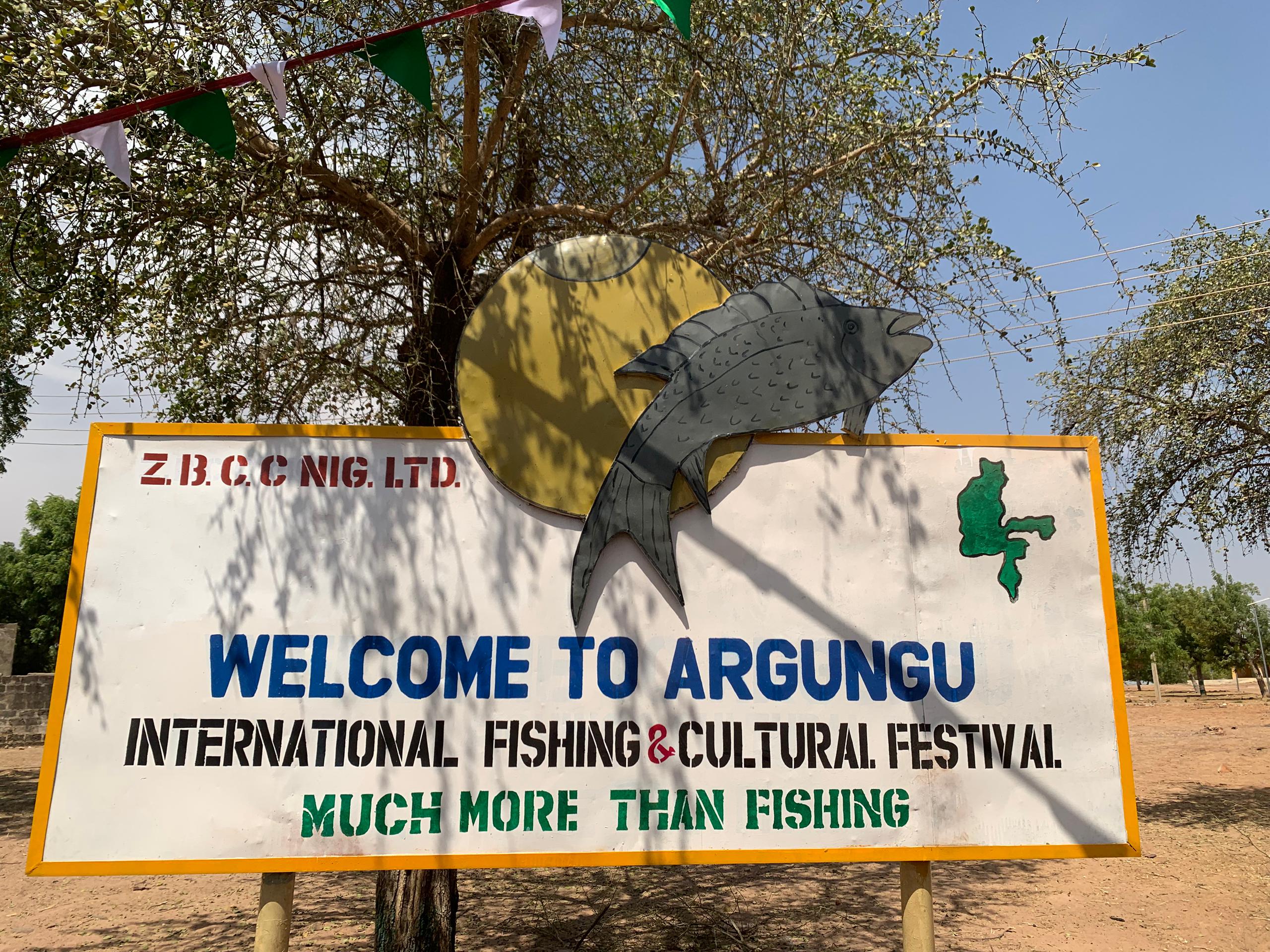
The 61st edition of the Argungu International Fishing and Cultural Festival (AIFF) launched on Wednesday at the historic Matan Fada River in Kebbi State, Nigeria.
This year’s opening was particularly significant as it marked the festival’s return following a 2025 postponement for infrastructural upgrades.
The event kicked off with a vibrant series of traditional competitions, including archery, camel racing, local wrestling, and a polo tournament, captivating a diverse audience of tourists, journalists, and cultural enthusiasts from across the globe.
Beyond the athletics, the festival serves as a prestigious gathering of West African leadership.
High-ranking traditional rulers, led by the Emir of Argungu, Alhaji Ismail Muhammad Mera, were joined by dignitaries from across Nigeria and the neighbouring Republic of Niger.
The Speaker of the Kebbi State House of Assembly, Usman Zuru, emphasised that the event is more than just entertainment; it is a critical platform for preserving the region’s rich heritage and fostering peaceful coexistence between communities.
As a UNESCO-recognised Intangible Cultural Heritage of Humanity, the festival is deeply rooted in the agrarian lifestyle of the Kebbi people, traditionally marking the end of the farming season.
The schedule for the coming days is packed with diverse events ranging from wild duck catching and skin diving to canoe racing and musical performances.

An expanded agricultural trade fair is also running concurrently to stimulate local commerce and showcase the region’s productivity.
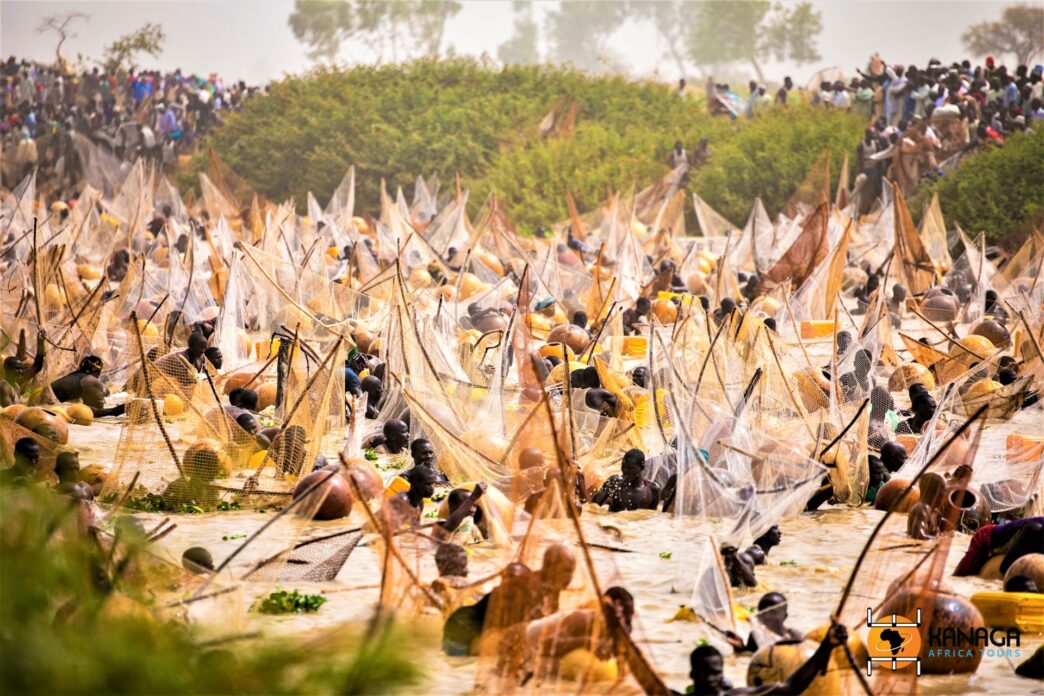
The celebration will culminate in the world-renowned Grand Fishing Finale, where thousands of fishermen dive into the river to catch the largest fish using only traditional nets and gourds.
Since its inception in 1934 as a peace initiative between the Sokoto Caliphate and the Kebbi Kingdom, the Argungu Festival has remained a powerful symbol of reconciliation, proving that ancient traditions can continue to thrive and unite people in the modern era.