Trending
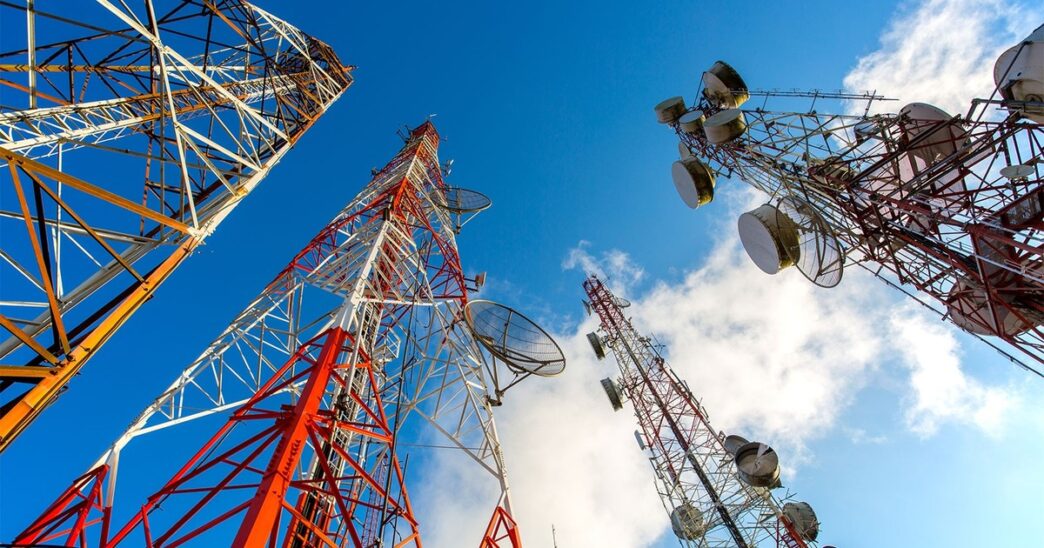
Nigeria’s telecommunications operators and the Independent National Electoral Commission (INEC) have confirmed that the country’s digital infrastructure is fully prepared to support the real-time electronic transmission of election results.
A joint technical assessment revealed that 93% of polling units are already covered by mobile networks, with the remaining 7% accessible via satellite technology.
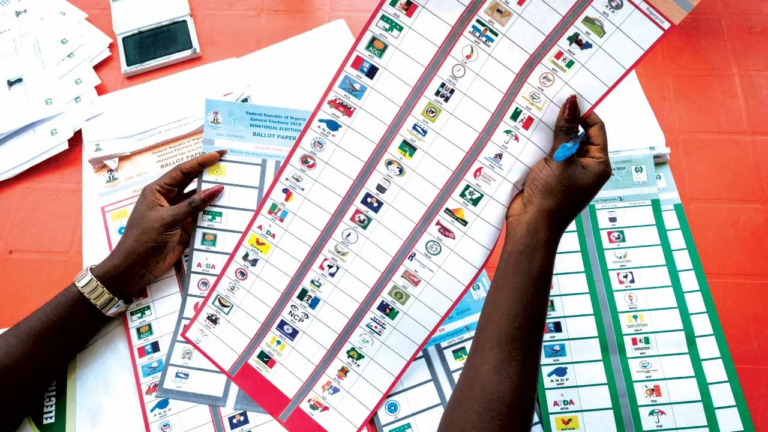
Despite these assurances, industry experts and officials noted that the current electoral process remains largely paper-based, even as the 2027 general elections approach.
Read More : Atiku Appoints El-Rufai to Campaign Council
The feasibility of this digital shift was detailed in an INEC position paper, which argued that electronic transmission is “desirable and doable” to enhance transparency and prevent “result jacking” during the physical movement of documents.
The commission clarified that this process is distinct from internet voting, focusing instead on the secure collation of results to ensure efficiency and public trust.
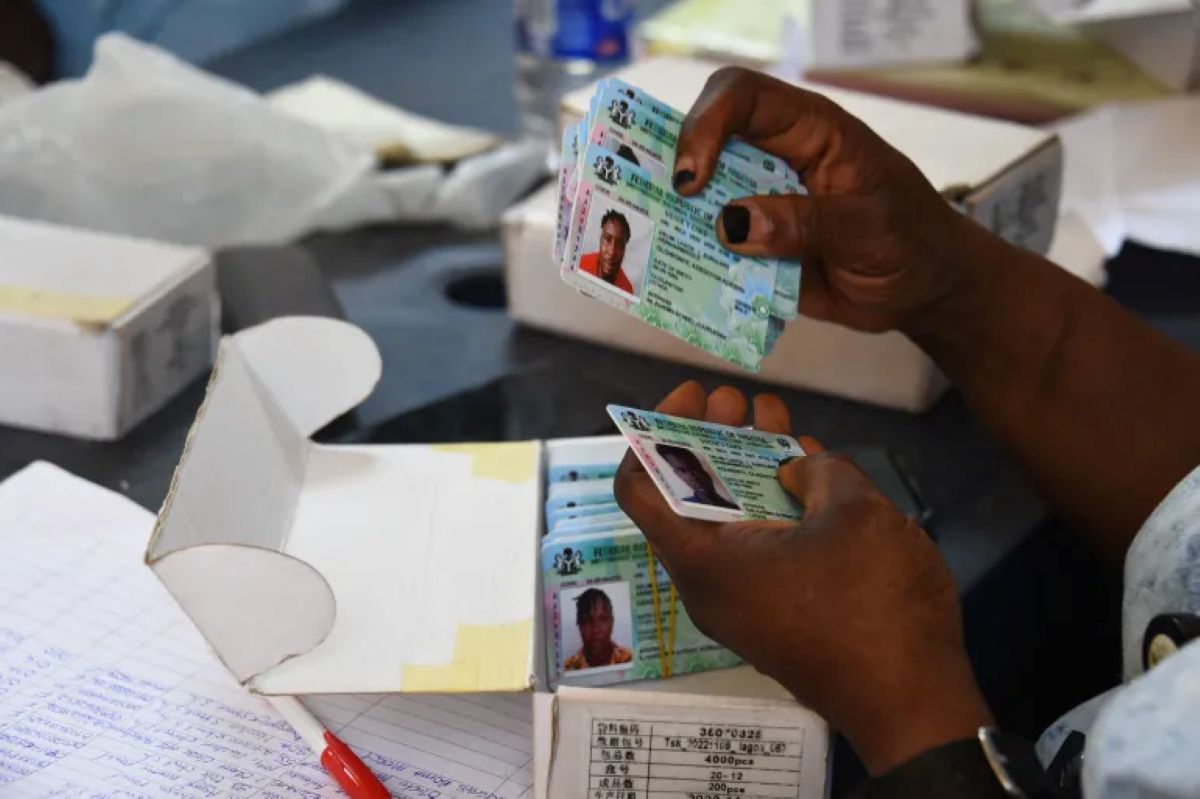
Recent successful deployments in off-cycle elections across 20 states have already proven that the systems can handle various terrains, from densely populated cities to conflict-affected regions.
While technical capacity is not a barrier, the legal framework remains a point of contention.
Although President Bola Tinubu recently signed the Electoral Act 2026, the law permits but does not mandate electronic transmission, leaving the final decision to INEC’s discretion.
This has sparked debate among stakeholders, as the reliance on physical “Form EC8A” sheets as the primary legal basis for collation could lead to delays and disputes, despite the availability of high-speed digital alternatives.
Read More : Russian Election Enters Final Day
Telecommunications leaders, including the Association of Licensed Telecommunications Operators of Nigeria, maintain that no special government intervention is required to bridge existing gaps.
They emphasised that even in remote areas lacking GSM signals, bimodal voter accreditation devices can be configured to transmit data via satellite.
As the 2027 elections draw near, the focus shifts from technical readiness to political will, as the infrastructure stands ready to support a more modern, transparent electoral system if policymakers choose to utilise it.