Trending
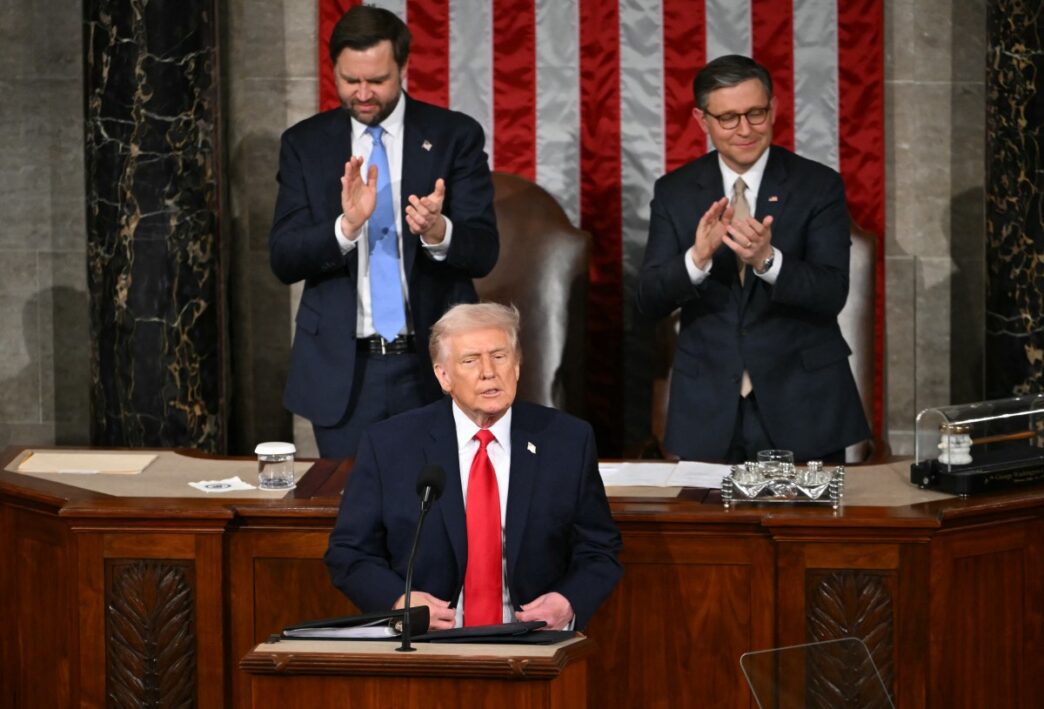
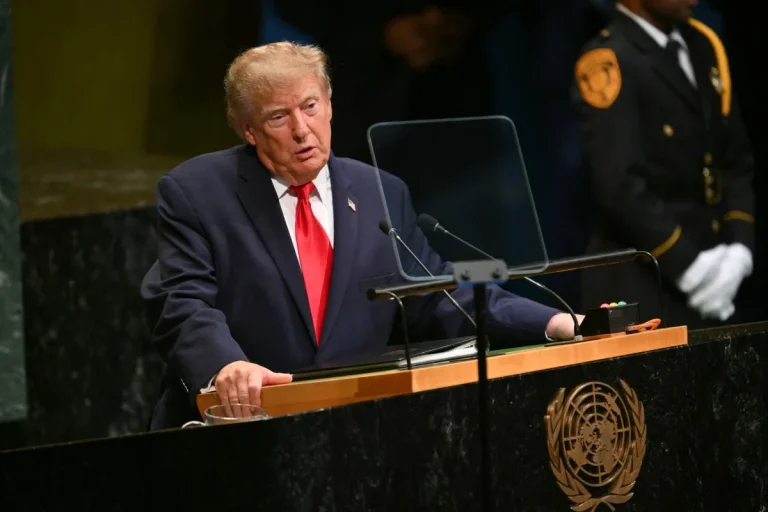
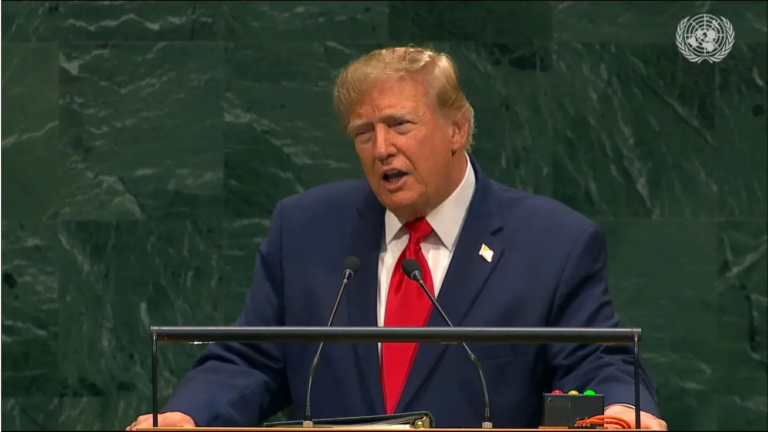
In his 2026 State of the Union address to Congress, President Donald Trump revealed that the United States had received more than 80 million barrels of oil from Venezuela since the overthrow of that country’s president, Nicolás Maduro.
“We just received from our new friend and partner, Venezuela, more than 80 million barrels of oil,” he said in a key segment of the speech, framing the transfers in the context of broader energy gain as he highlighted the energy milestone to lawmakers and the nation.
The president also pointed to rising domestic production, claiming that “American oil production is up by more than 600,000 barrels a day,” a figure he highlighted to showcase the United States’ strengthening energy position under his administration.
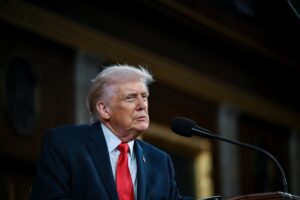
These oil flows come amid dramatic U.S. actions in Venezuela earlier this year. In January, U.S. forces launched operations that resulted in the capture of Maduro on charges including drug trafficking. Since then, the administration has eased longstanding oil sanctions and moved to reopen Venezuelan crude to U.S. markets, a reversal of earlier policy that had restricted Caracas’s oil exports.
Venezuela holds some of the world’s largest oil reserves, and opening access to that supply marks a significant shift in relations between the two nations. In announcing the deal, Trump framed it as both an economic and strategic success, part of what he described as broader achievements in foreign policy.
However, some experts warn that these figures and claims should be scrutinised. Critics point to the complexity of oil logistics and question whether all reported volumes represent commercial flows or include other forms of transfers. Others note that legal and political disputes over oil assets in Venezuela may complicate long‑term production and export plans.