Trending
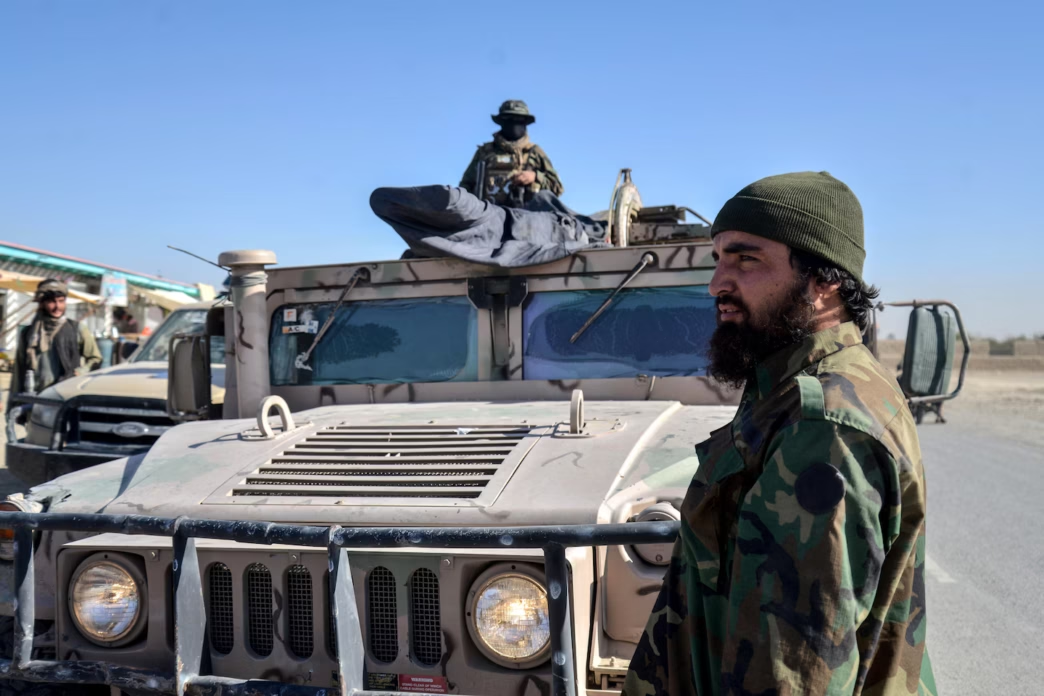
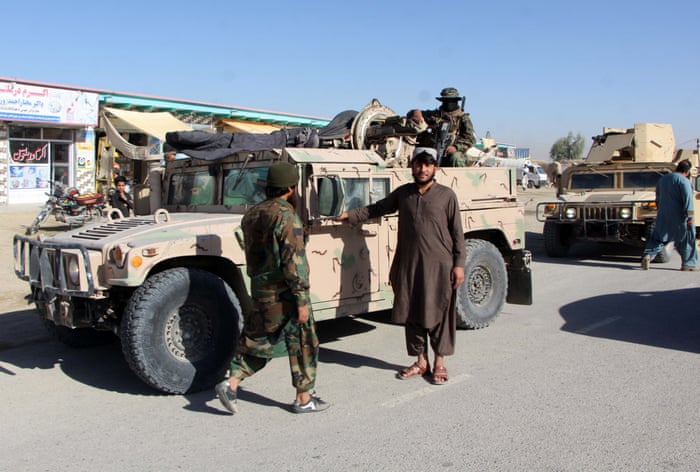
Heavy fighting has broken out along the Afghanistan-Pakistan border, transforming the Torkham crossing into a combat zone and sending plumes of smoke into the mountains.
Following months of rising tension, the conflict escalated sharply on Thursday night with Pakistani bombardments and a retaliatory ground offensive by Afghan forces.
The violence has now spread beyond the frontier, with reports of Pakistani air strikes hitting targets as far as Kabul and Kandahar.
Read More : Panama Removed From EU Tax Haven Blacklist
The humanitarian toll has been particularly devastating at the Omari camp, a transit site for Afghans recently repatriated from Pakistan.
A mortar shell struck the camp overnight, killing one woman and wounding at least 14 others, including several children.
Witnesses described a scene of absolute terror as families fled into the darkness, leaving behind their meagre belongings, legal papers, and aid supplies.
In the chaos of the shelling, several children were reported missing, adding to the desperation of those already struggling to rebuild their lives.
In response to the deteriorating security situation, the United Nations refugee agency (UNHCR) has temporarily suspended its operations at the Omari camp.
The agency issued a statement calling for “utmost restraint,” highlighting the extreme vulnerability of returnees caught in the crossfire.
For these families, who were already grappling with the hardship of mass deportation from Pakistan, the border they just crossed has transformed from a gateway to a battlefield.
Read More : UN Condemns US Plan to Livestream Execution
Beyond the immediate casualties, the escalation threatens the livelihoods of thousands of residents who depend on the Torkham crossing for trade.
While the border remains technically open for returnees, the constant shellfire and gunfire have paralysed local commerce.
Residents expressed a sense of profound exhaustion, warning that without a swift move toward reconciliation, the economic collapse caused by the fighting will force a total exodus of the remaining civilian population.