Trending
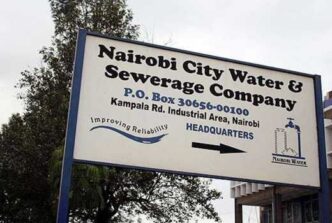
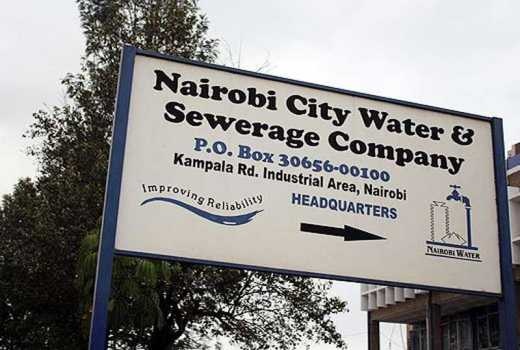
Residents of Nairobi, Kenya’s capital, will begin paying higher water bills as a result of the regular tariff adjustment approved by the Water Services Regulatory Board (WASREB) for areas served by the Sewerage Bills.
The tariff adjustment approval, published in Gazette Notice No. 2710 dated February 27, 2026, follows an application by NCWSC for a review of water services tariffs and public consultation carried out as required by Section 139 of the Water Act, 2016. The adjusted tariff price will take effect from the date of the gazette notice.
According to Tuko, NCWSC applied to WASREB for a review of water services tariffs for the four-year period in line with Section 72(1)(b) of the Water Act. WASREB concluded that an upward tariff review is justified for NCWSC to improve service delivery.
Households that consume modest amounts of water will see a noticeable rise in their monthly bills.
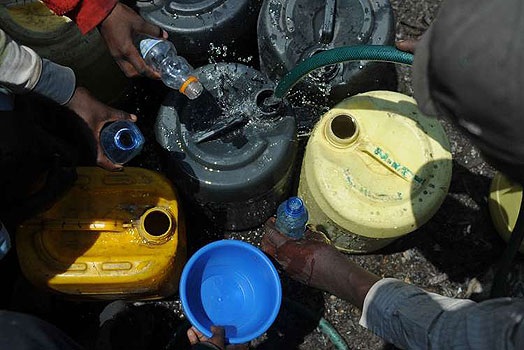
Domestic consumers using between one and six cubic metres per month will now pay Ksh68 per cubic metre, up from Ksh45; those consuming between 7 and 20 cubic metres will pay Ksh85; and those using between 21 and 50 cubic metres will pay Ksh91 per cubic metre under the new tariff structure.
Sewerage charges will be calculated at 75 per cent of water volumes consumed, with domestic users paying between Ksh58 and Ksh93 per cubic metre depending on their usage level.
Compared to the previous charges of approximately Ksh670 to Ksh1,340 for water and Ksh560 to Ksh1,120 for sewerage under the old rates, an average Nairobi household that consumes between 10 and 20 cubic metres of water per month will pay between Ksh850 and Ksh1,700 for water and Ksh650 to Ksh1,300 for sewerage.
WASREB has introduced more stringent penalties for illegal connections. Commercial and industrial users face Ksh100,000 fines, while domestic users risk Ksh30,000 penalties alongside backdated usage charges.