Trending
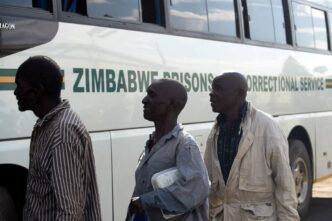
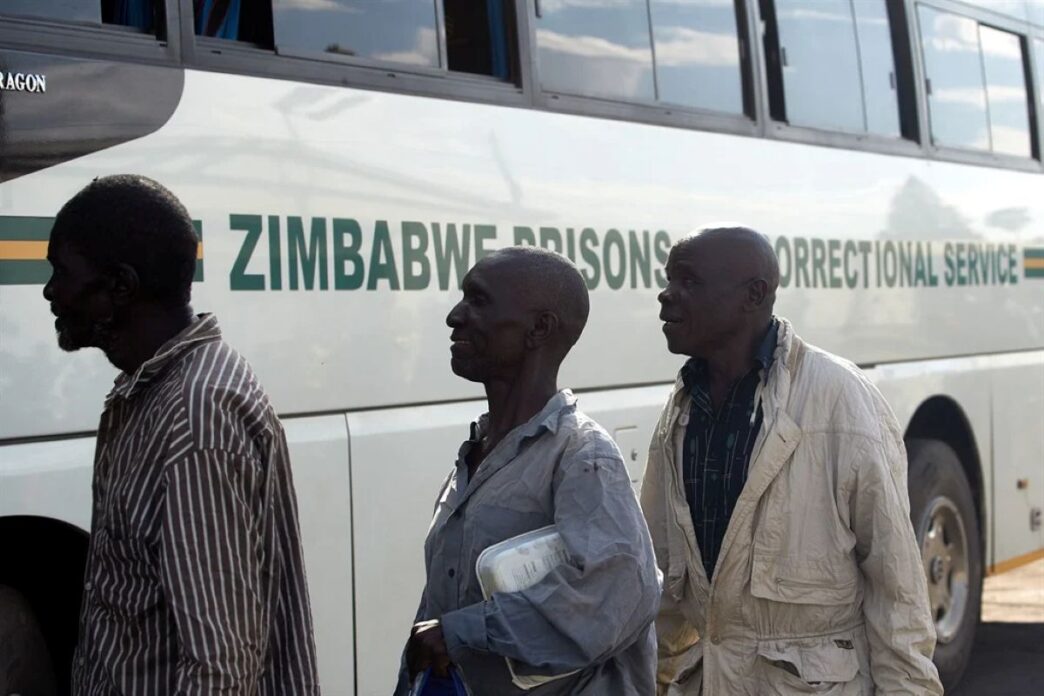
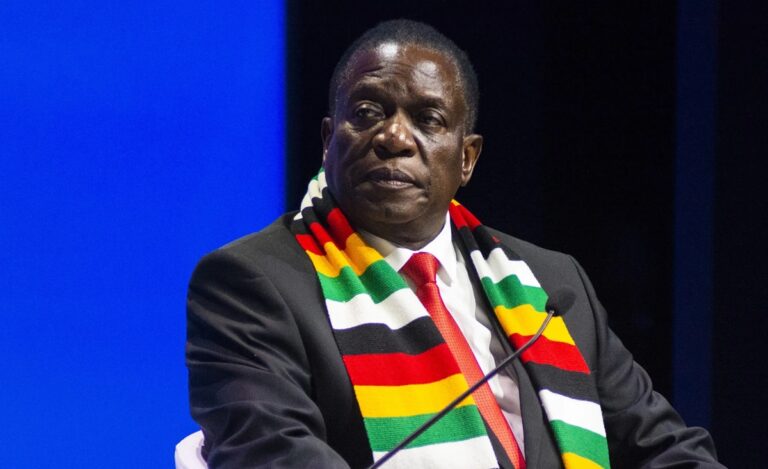
Zimbabwe began releasing nearly 4,000 prisoners on Monday as part of a presidential amnesty aimed at addressing the country’s growing prison overcrowding. This move, announced by the cabinet in February, comes amid broader constitutional changes aimed at extending President Emmerson Mnangagwa’s term until 2030.
Justice Minister Ziyambi Ziyambi confirmed at a press conference in Harare that the release of 3,978 beneficiaries would commence immediately. The release forms part of a broader effort to reduce the prison population, which recently surpassed 24,000 inmates in the second quarter of 2025. Ziyambi emphasised that the amnesty focuses primarily on vulnerable groups, including women and individuals who have shown notable progress in their rehabilitation.
“A total of 4,305, including 223 women, will eventually be released under this scheme,” Ziyambi stated, stressing that the initiative aligns with the government’s commitment to “restorative justice, national compassion, and the strategic decongestion of correctional facilities.” The release is seen as a step toward addressing overcrowding and creating a more rehabilitative environment for those incarcerated.
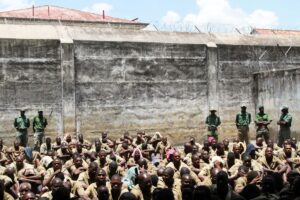
However, the amnesty does not apply to individuals convicted of serious offences such as murder, robbery, or rape, nor to those charged under the controversial “Maintenance of Peace and Order Act”—a law often used against political opponents and protesters.
This move comes at a time when the political landscape in Zimbabwe is increasingly fraught. Growing discontent has been brewing against Mnangagwa’s government, particularly in response to constitutional amendments passed last month.
Critics, especially opposition figures, have accused the government of attempting a “constitutional coup” by extending the presidential term limit and introducing changes that would allow parliament, rather than the people, to elect the president.
The amnesty is part of a larger package of reforms being pushed by the ruling Zanu-PF party. While the changes have yet to pass through parliament, which is heavily tilted in favour of the ruling party, they have sparked significant opposition protests and heightened political tensions across the nation.