Trending
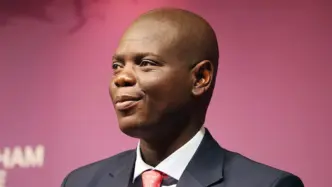
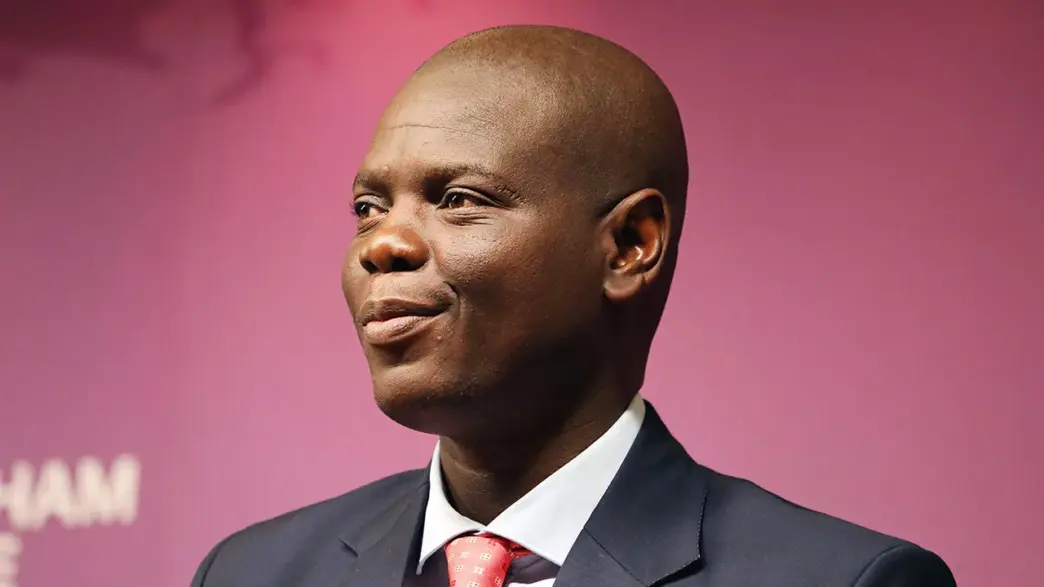
South Africa’s International Relations Minister, Ronald Lamola, has warned that the conflict involving the United States, Israel and Iran could have serious economic consequences for countries in Southern Africa.
Speaking on Thursday while opening a meeting of the Southern African Development Community (SADC) Council of Ministers in Pretoria, Lamola said the situation risked “driving up fuel and food costs and worsening debt pressure across the region.”
He also noted that the region is facing these external shocks at a time when its economies are still recovering from the COVID-19 pandemic and the fallout from the Russia-Ukraine war.
Read More : 43 Dead in South Africa Political Hits: Report
“The current geopolitical climate, including the United States and Israel’s war on Iran and Iran’s retaliation, is already sending shockwaves through our societies,” he said. “Beyond the immediate impact of rising global oil prices, a spike in fertiliser costs is set to drive food prices up and further compromise food security across many of our countries.
“As a community, we will not emerge unscathed from this. Our public finances are likely to come under even greater strain, and it is our people who will bear the cost,” he said.
Ronald Lamola used his address to highlight tensions in South Africa’s diplomatic relations while discussing the wider impact of global conflicts on the region.
The speech also came at a delicate time in Pretoria’s already strained relationship with the United States.
On Wednesday, Lamola revealed that the South African government had summoned the newly arrived US ambassador, Brent Bozell III, to clarify remarks that officials said breached diplomatic protocol.
Bozell had earlier criticised South Africa’s ties with Iran, its race-based redress laws, and a court ruling concerning the controversial “Kill the Boer” chant during a BizNews investment seminar.
Lamola said the envoy had been asked to explain his “undiplomatic remarks,” while Zane Dangor, director-general of the Department of International Relations and Cooperation (DIRCO), said Bozell later apologised and expressed regret over the comments.
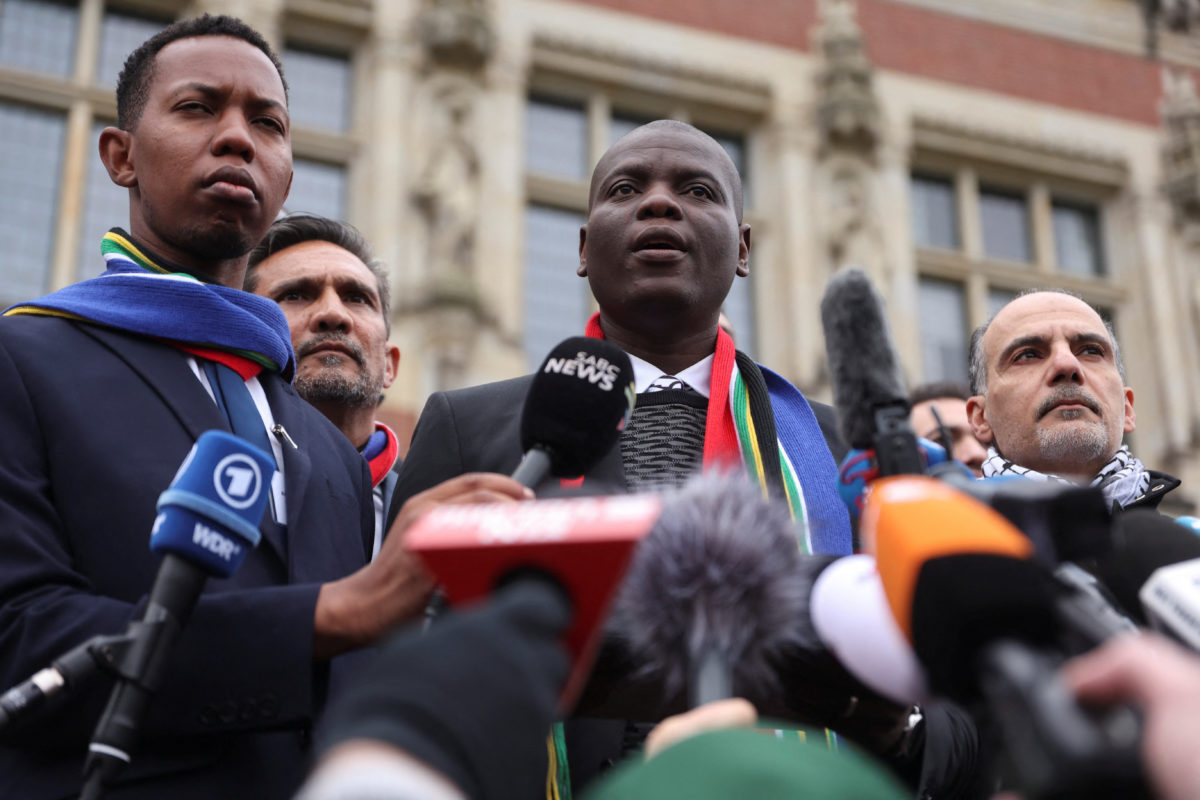
The minister also addressed the broader Middle East conflict, criticising Washington’s role in the crisis.
“South Africa reiterates its condemnation for the violation of Article 2(4) of the UN Charter by the United States and Israel,” Lamola said.
At the same time, he noted that Iran’s response had also broken international law and infringed on the sovereignty and territorial integrity of Gulf states.
Lamola carried the same warning into Thursday’s meeting of the Southern African Development Community (SADC) Council of Ministers in Pretoria, cautioning that escalating tensions in the Middle East could affect investment flows into Africa.
According to him, Gulf states may begin redirecting funds away from overseas infrastructure, energy, technology and mineral investments as security concerns grow at home. Such a shift, he said, could slow development financing and economic growth across Southern Africa.
“Our region is facing these external shocks while already carrying a heavy debt burden,” Lamola said.
Referencing the African Leaders’ Debt Relief Initiative, the minister warned that the continent is currently facing “the worst debt crisis in 80 years,” adding that more than 750 million Africans now live in countries that spend more on debt repayments than on healthcare or education.
Read More : UK Fugitive Tshuma Case Adjourned
His remarks came shortly after Statistics South Africa reported on Tuesday that the country’s economy grew by just 1.1 per cent in 2025, below projections by both the South African Reserve Bank and the National Treasury.
Lamola urged stronger regional cooperation to help cushion the impact of global economic pressures.
“Citizens across Southern Africa expect regional cooperation to make a tangible difference to livelihoods, jobs, food security, energy access and resilience,” he said.