Trending
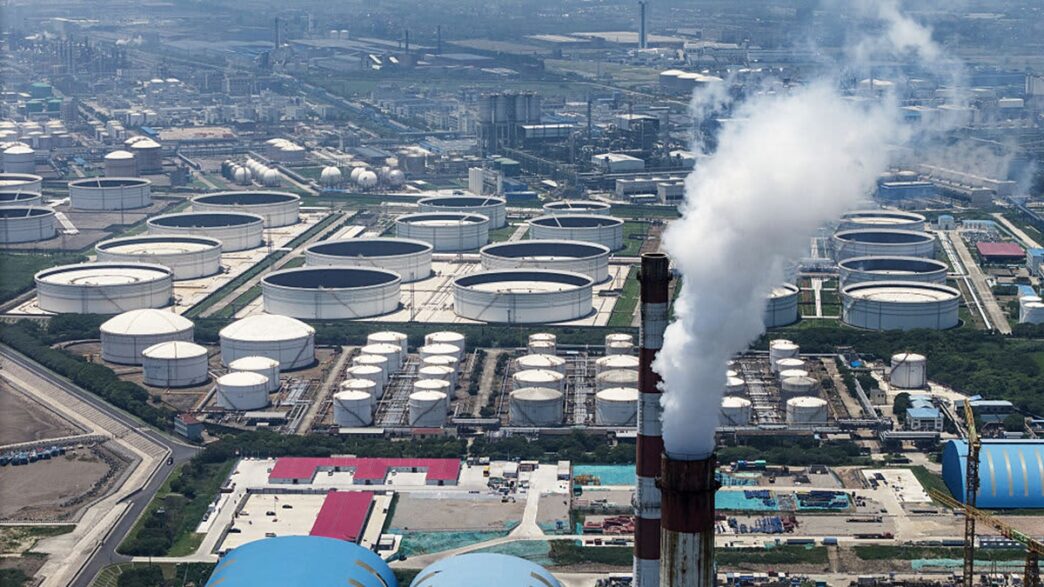
Global oil prices climbed above $100 on Friday, while stock markets declined after Iran signalled the possibility of closing the Strait of Hormuz, a key global energy shipping route, due to the ongoing conflict with the United States and Israel.
The warning came from Mojtaba Khamenei, who recently succeeded his father as Iran’s supreme leader. In remarks broadcast on state television, he indicated that blocking the strategic waterway could become a tool in the conflict and suggested Iran had explored opening additional fronts against its adversaries if the war continues.
Roughly one-fifth of the world’s oil and gas supply passes through the Strait of Hormuz, making any disruption a major concern for global markets.
Oil prices had already surged more than nine per cent on Thursday, with Brent crude settling above $100 per barrel for the first time since 2022, when Russia’s invasion of Ukraine disrupted energy markets. Since the Middle East conflict began on February 28, Brent prices have risen by around 40 per cent.
Energy markets remained volatile despite the release of about 400 million barrels from global reserves coordinated by the International Energy Agency, which said the conflict was creating the largest supply disruption in the history of the global oil market.
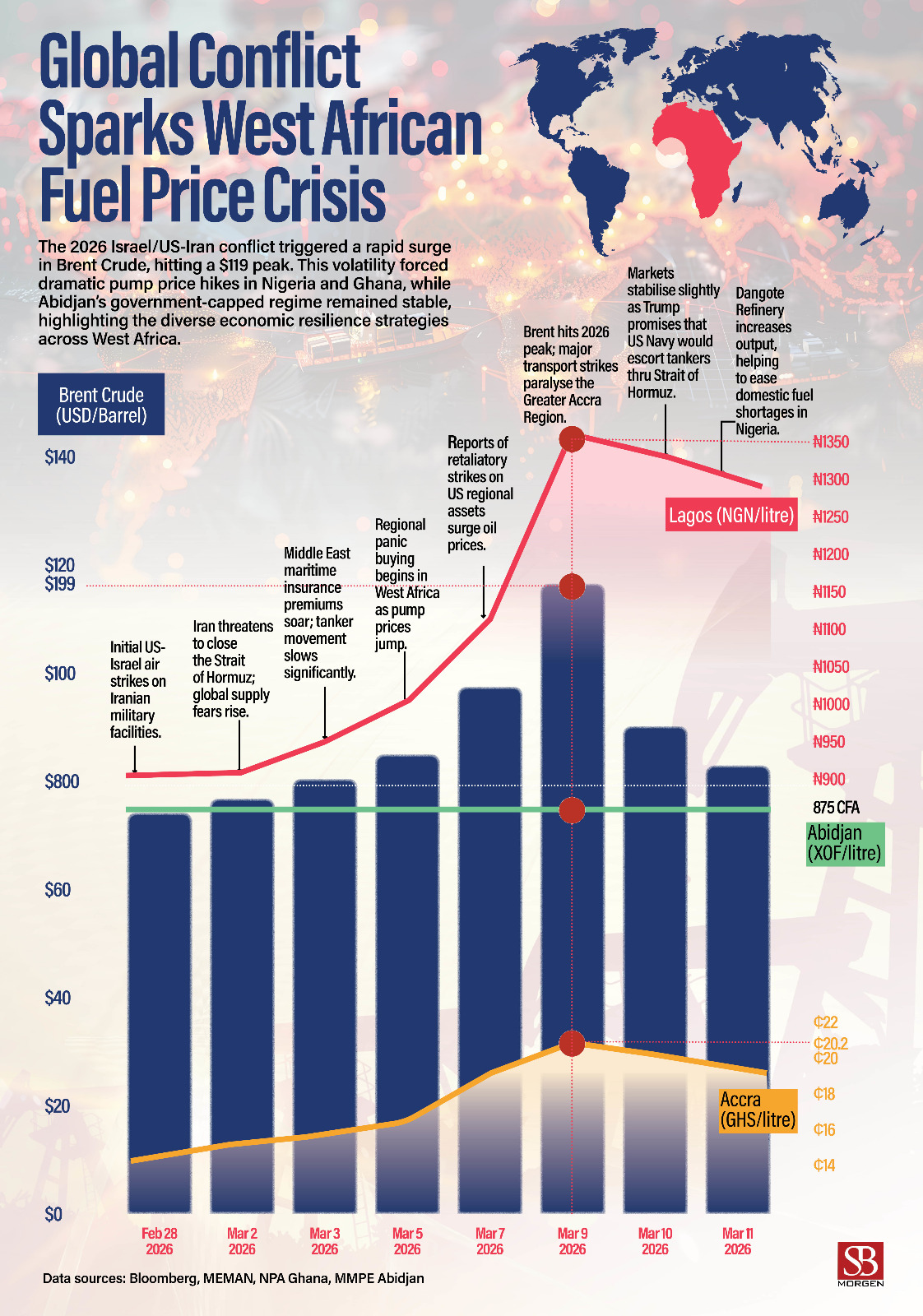
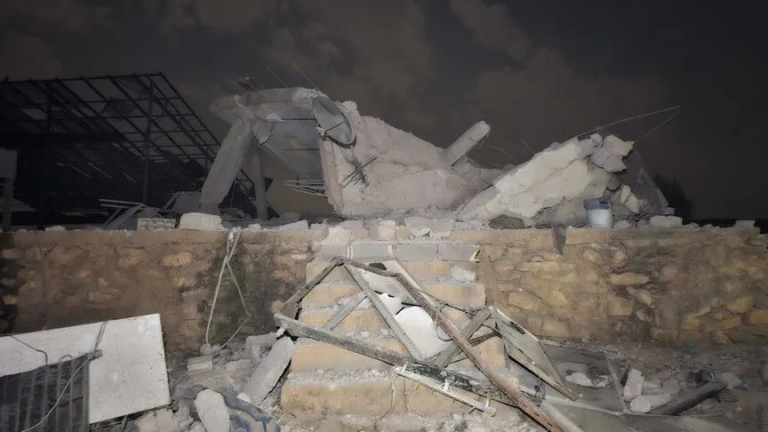
Tensions have intensified across the Gulf region in recent days, with Iran targeting several energy-related sites.
Reports indicate that vessels were struck near Iraq, fuel storage tanks were attacked in Bahrain, and drones were launched toward oil fields in Saudi Arabia. Tehran also warned that it could ignite the region’s oil and gas infrastructure if its own facilities and ports were attacked.
The conflict has also rattled financial markets, with stock indices across Asia falling as investors grow increasingly concerned about a prolonged crisis that could push inflation higher and weaken global economic growth.
Read More : Healey Unveils Tight UK Fiscal Budget
Major markets in Tokyo, Hong Kong, Shanghai, Singapore, Seoul, Mumbai, Bangkok, Wellington, Manila and Jakarta all recorded losses. Meanwhile, the US dollar strengthened against other major currencies as investors turned to safe-haven assets and anticipated that interest rates could remain elevated if energy prices continue to rise.
US President Donald Trump responded defiantly to the oil surge, reportedly saying the United States, currently the world’s largest oil producer, benefits when prices rise. However, he stressed that preventing Iran from acquiring nuclear weapons remained his administration’s primary concern.
Market analysts say investors are increasingly preparing for a prolonged conflict and the possibility that shipping through the Strait of Hormuz could remain disrupted. However, others caution that unless meaningful progress is made toward a ceasefire in the Middle East, energy prices are likely to remain elevated and global markets could continue facing heightened uncertainty.