Trending

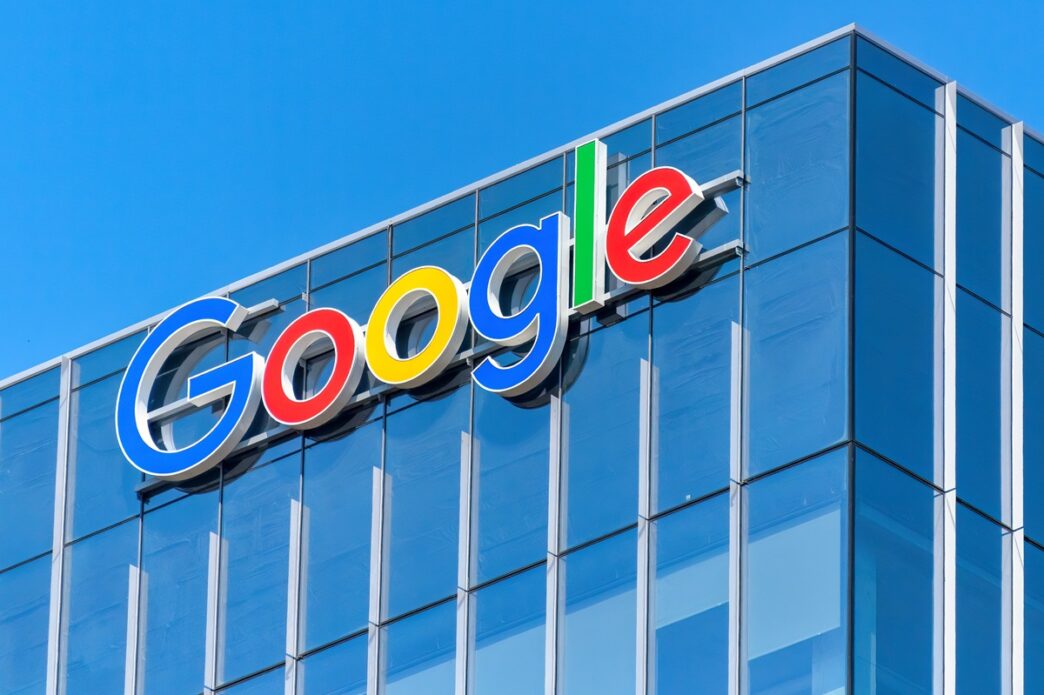
The European Union on Monday outlined measures it wants Google to implement to allow rival artificial intelligence services greater access to its Android operating system, a move the United States tech giant has criticised.
The European Commission said the proposed steps are intended to ensure competing AI tools can properly interact with apps on Android devices and carry out user-selected tasks such as sending emails through preferred apps, ordering food, or sharing photos with contacts.
“The proposed measures aim to ensure that competing AI services can effectively interact with applications on users’ Android devices and execute tasks accordingly, such as sending an email using the user’s preferred email app, ordering food or sharing a photo with friends”, the European Commission said.
Read More : First US Trial Against TikTok Opens Monday
Under the EU’s Digital Markets Act (DMA), major technology companies are required to open up their platforms to competition in order to increase consumer choice and prevent market dominance abuses.

The law, along with its sister regulation, the Digital Services Act, has been strongly criticised by the US government under President Donald Trump, which has accused the EU of unfairly targeting American tech firms.
The Commission said the proposals would give Android users across the EU a wider range of AI services to choose from.
Google, however, rejected the move, describing it as unnecessary interference that could increase costs while weakening privacy and security protections for users in Europe.
The EU’s latest step forms part of preliminary findings from a process launched in January.
Read More : Cambodia No ‘Safe Haven’ for Cyberscams – PM
The procedure involving Google is not yet a formal investigation that could lead to penalties. However, if the Commission is not satisfied with Google’s compliance, it could later determine that the company is in breach of the rules.
Violations under the DMA can attract fines of up to 10 percent of a company’s global annual turnover.
Google is already facing several DMA-related probes and was fined €2.95 billion in September 2025 in a separate EU competition case predating the digital law.