Trending
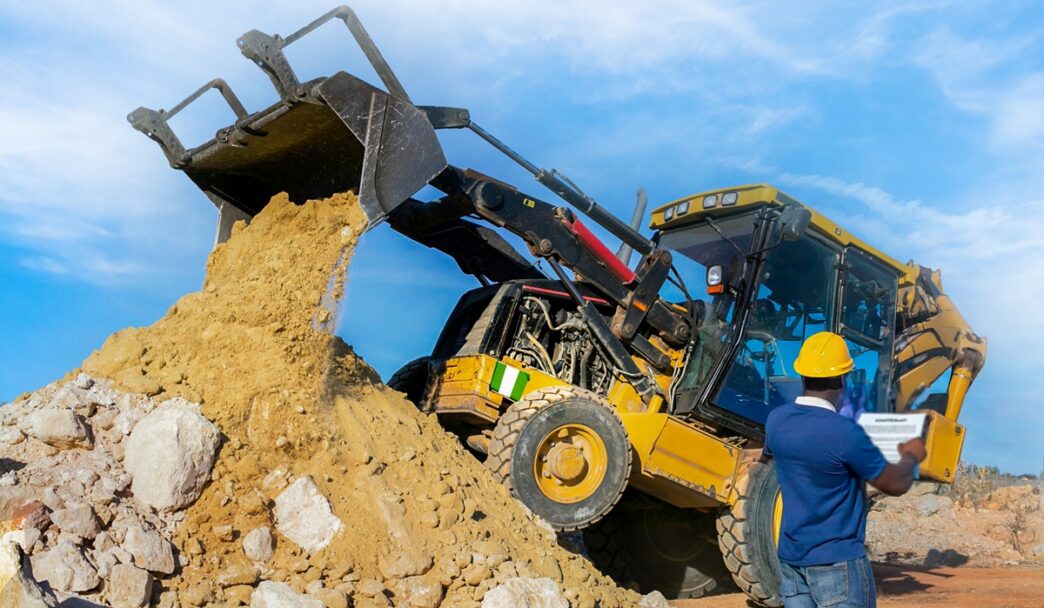
Governments in Africa are pushing for local processing in a bid to turn their vast critical mineral reserves into factories, skills and long-term jobs.
Across Africa, governments are tightening export rules and changing mining laws to make sure they keep more value within their borders.
A recent move by Zimbabwe to bring forward a ban on lithium concentrate exports and to increase domestic productivity was pushed by leaders at the annual Africa Mining Conference in Cape Town this February, affirming the urgency for local mineral processing.
Read More : Surging Ebola Outbreak Overwhelms Congo
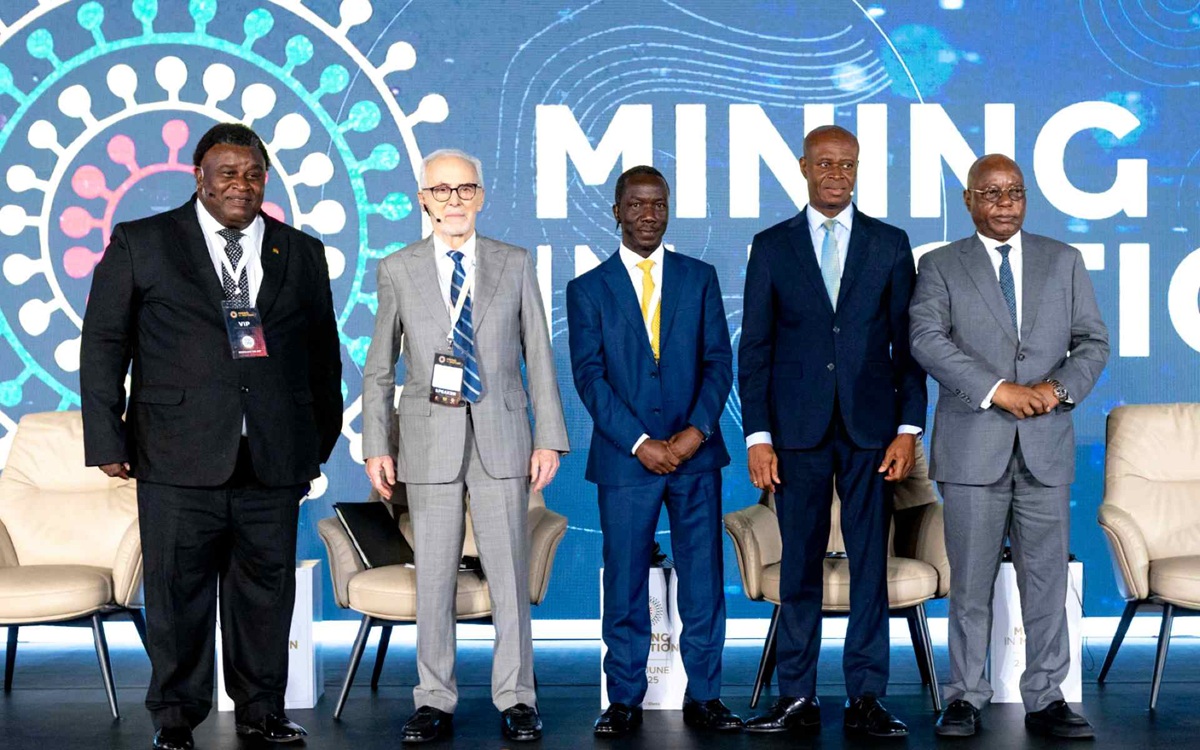
At the Mining Indaba conference in Cape Town, South Africa’s mining minister, Gwede Mantashe, urged African states to “deepen collaboration” with each other in bolstering the industrialisation of the sector.
“Our partnership must move beyond extraction to industrialisation. We should add value close to the point of production…We must have a uniform framework that guides all of us in the continent,” said Mantashe.
But the partnership, he insisted, should not interfere with in-country value addition, allowing each country to create its own factories and jobs for its people.
“We must not take copper from Zambia to Angola for export. We must add value in Zambia… If we don’t do that, we’re going to be in trouble,” Mantashe warned.
South Africa is seeking to mobilise US$ 125 billion (R2 trillion) over five years to strengthen its critical minerals value chain across exploration, project development, manufacturing, and skills training.
Mining employs roughly 468,000 formal workers, and the government has established a junior miners’ exploration fund now exceeding US$125 million (R2 billion).
Namibia also has its eyes on leveraging the mining sector to create more opportunities, especially for young people and women, to reduce poverty rates in the country. Namibia’s Deputy Minister of Industries, Mines and Energy, Gaudentia Krohne, said the government will help formalise and scale small-scale miners as uranium production rises in the country.
“We are fully committed to engaging and partnering in this sector of Namibia, small scale mining in a responsible manner, improving livelihoods while strengthening environmental organisation and skills development,” said Krohne.
At the end of 2024, mining directly employed over 20,000 people in Namibia.
Zimbabwe, Africa’s largest lithium producer, suspended the export of lithium concentrate and imposed strict measures to curb the sale of raw minerals outside the country. The government said companies must process lithium inside Zimbabwe before exporting it.
Only mining companies with proper licences and approved processing plants will be allowed to export. Middlemen and traders, the country’s minister of mining said, are no longer allowed to export minerals on behalf of miners.
“Government reiterates that these measures are being implemented in the national interest, to enhance mineral accountability, promote beneficiation, and maximise value retention within Zimbabwe,” authorities said.
The country had planned to implement the ban in January 2027, as part of a strategy to ensure battery minerals are processed domestically before shipment.
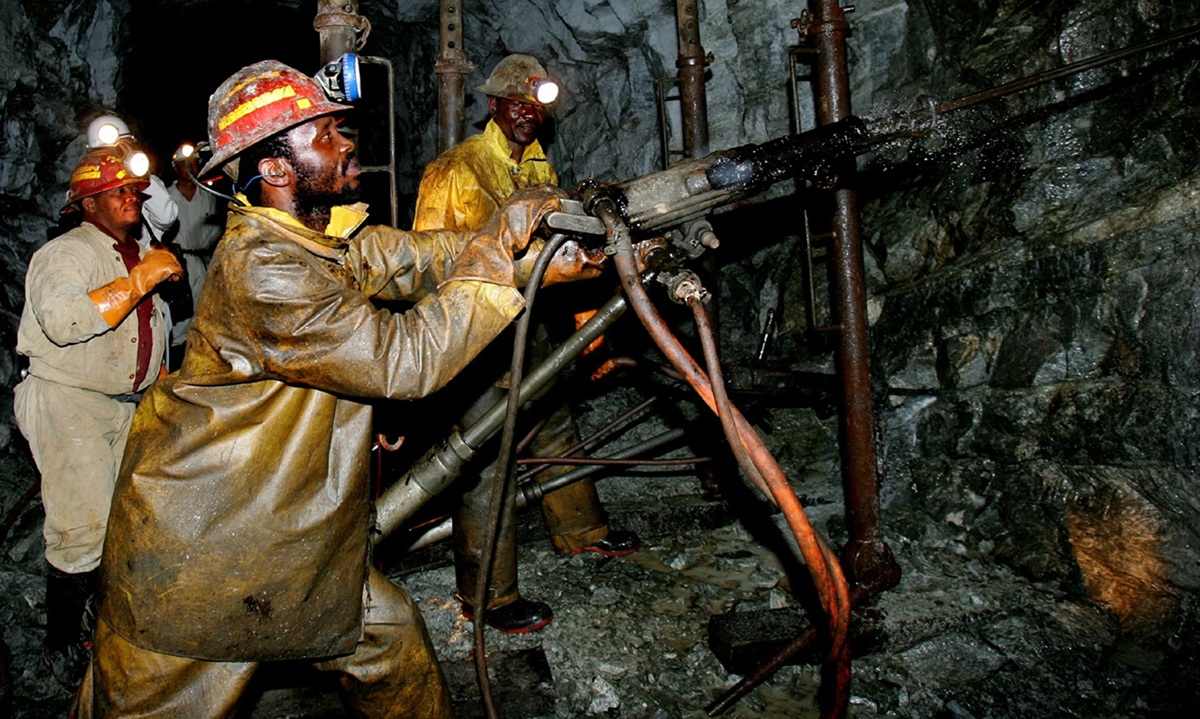
Zambia is also banking on rising copper investment to bolster local jobs, as it reiterates the call for regional coordination in processing and export strategy.
Zambia’s president, Hakainde Hichilema, stressed that mineral resources can only create prosperity when unlocked through strategic partnerships.
“Africa must collaborate… We all have capabilities. We all have endowments. We all have skills, experiences. But they’re not enough to deliver the total package for all our people,” said Hichilema.
Mining in Zambia created more than 73,000 jobs in 2025, bolstered by major investments in the sector, including KoBold Metals’ US$300 million Mingomba Mine, Vedanta’s US$1.5 billion investment at Konkola Copper Mines and First Quantum’s US$1.25 billion Kansanshi S3 expansion.
Several other countries across the continent are also tightening rules to boost local value. Malawi has temporarily halted exports of unprocessed minerals as it reviews its mining system. Mali has revised its mining laws to increase the state’s share in projects, saying the reforms will ensure it “fully benefits from its mineral wealth.”
Burkina Faso has centralised gold buying through state-linked bodies and restricted some exports to curb smuggling, while planning local refining.
Niger has made uranium and gold exports conditional on renegotiated contracts, it says, which will better value its resources. Botswana now requires 24% of new mining projects to be sold to local investors.
Read More : News Central Makes African TV History at UNGA 81
In the Democratic Republic of Congo, which produces most of the world’s cobalt, authorities are expanding mineral processing through partnerships with the United States. The country has occasionally halted cobalt exports to manage supply. Mining supports over 100,000 jobs, despite only about 10% of its vast mineral wealth being developed.
According to the Compendium of Africa’s Strategic Minerals 2026 released by the Africa Finance Corporation (AFC), the continent holds an estimated US $29.5 trillion in mineral wealth, about 20% of global reserves, with US$8.6 trillion still untapped.
Credit: Conrad Onyango, Bird Story Agency.