Trending
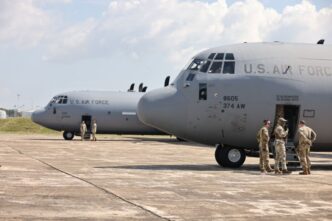
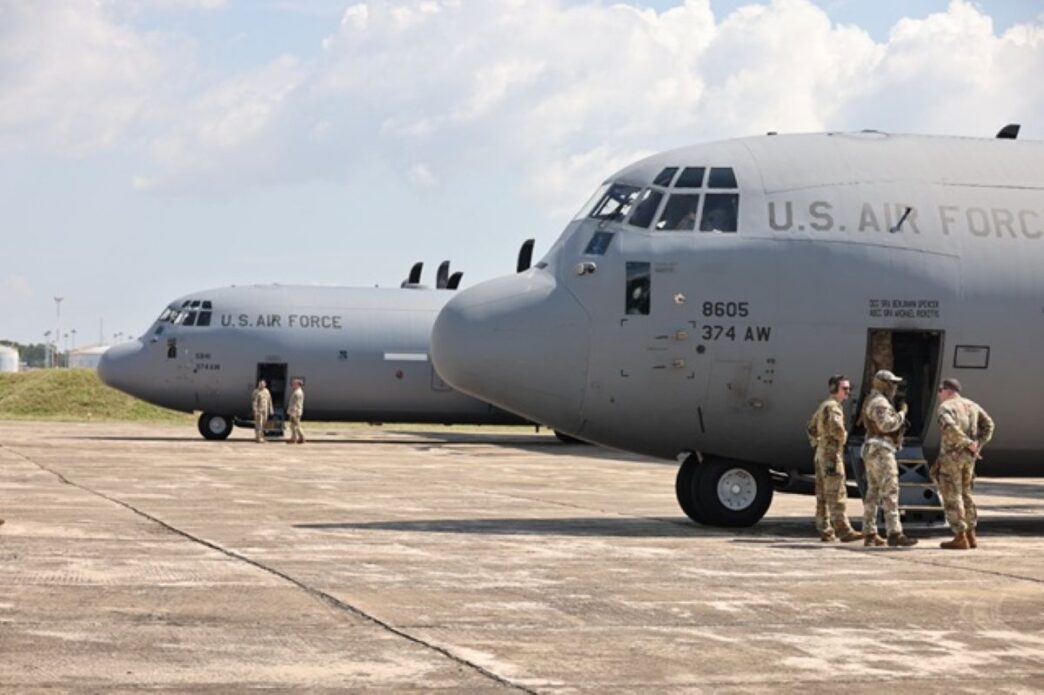
In early March, Sri Lanka rejected a request from the United States to station two warplanes at a civilian airport in the southern part of the island, maintaining its stance of neutrality amidst rising tensions in the Indian Ocean.
The request, made by the US on February 26, was for the planes to be stationed at Mattala International Airport between March 4 and 8.
According to President Anura Kumara Dissanayake, the decision was made to avoid using Sri Lankan territory for any military purposes that might favour one side over the other. The country, he said, wanted to ensure its neutrality was not compromised by external military activities.
Read More : 7.7 Quake Hits Panama, Triggers Tsunami Warning
The situation escalated when US forces torpedoed an Iranian frigate, IRIS Dena, off Sri Lanka’s southern coast on March 4. The attack, which resulted in the loss of at least 84 sailors, drew the island nation into the growing conflict between the US and Iran.

Despite the fallout, Sri Lanka’s government remained firm in its decision. President Dissanayake noted that a similar request from Iran had been made on the same day. Iran sought permission to dock three of its warships, returning from a naval exercise in India, at a port in Colombo between March 9 and 13.
“The dilemma was clear—accepting one would mean accepting the other,” Dissanayake explained. “We chose to remain neutral.”
The decision was met with applause in Sri Lanka’s 225-member parliament, as it reinforced the nation’s commitment to staying out of the ongoing geopolitical conflict.
While Sri Lanka continues to maintain strong ties with both the United States, its main export market, and Iran, a key buyer of its tea, the nation’s government remains resolute in its diplomatic strategy.