Trending
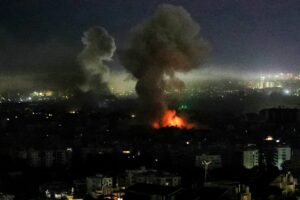
The ongoing conflict in the Middle East, now entering its fourth week, shows no signs of abating, with the warring sides intensifying their attacks.
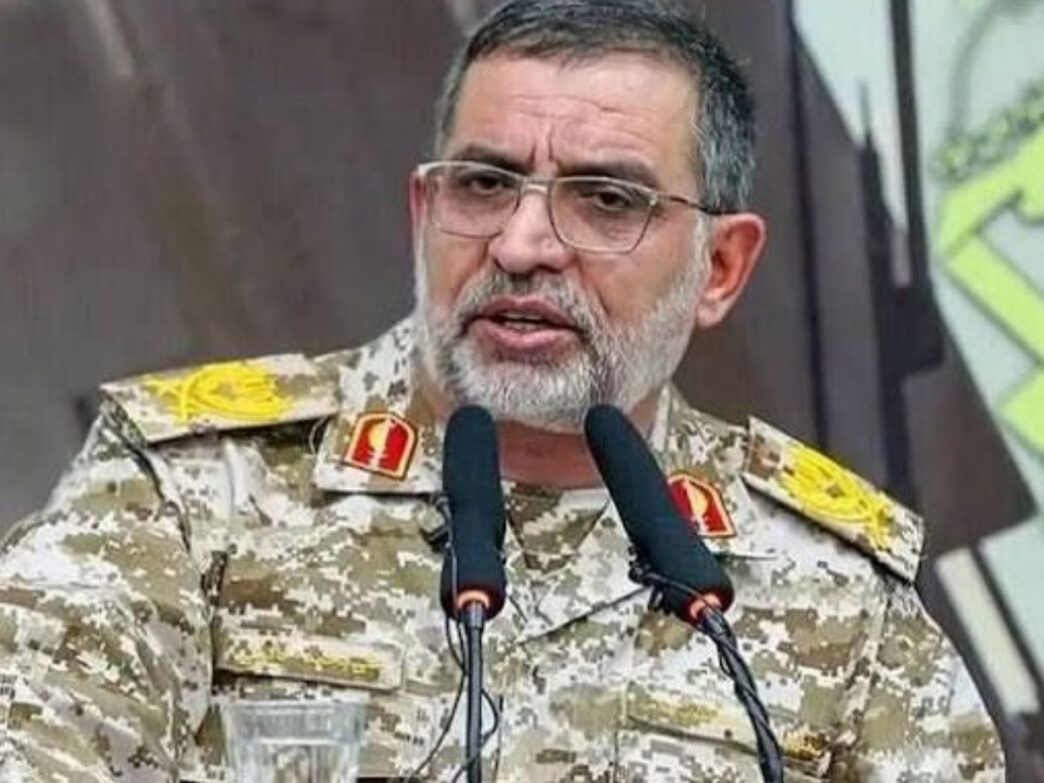
On Friday, Iran launched an attack on Kuwait’s Mina Al-Ahmadi refinery, while Israel killed Ali Mohammad Naini, a spokesperson for Iran’s Revolutionary Guard. This marks the latest round in a growing crisis that has disrupted global oil supplies and left nations scrambling to respond.
Brent crude oil prices briefly surged to $110 amid fears of a global economic shock triggered by the war’s devastating impact on energy supplies. The conflict has already caused a 12% reduction in global oil supply, with approximately 12 million barrels of crude oil per day either halted or cut from Gulf producers.
With refineries like Mina Al-Ahmadi targeted and Iran’s ability to continue missile production, the war is showing clear long-term economic and geopolitical consequences.
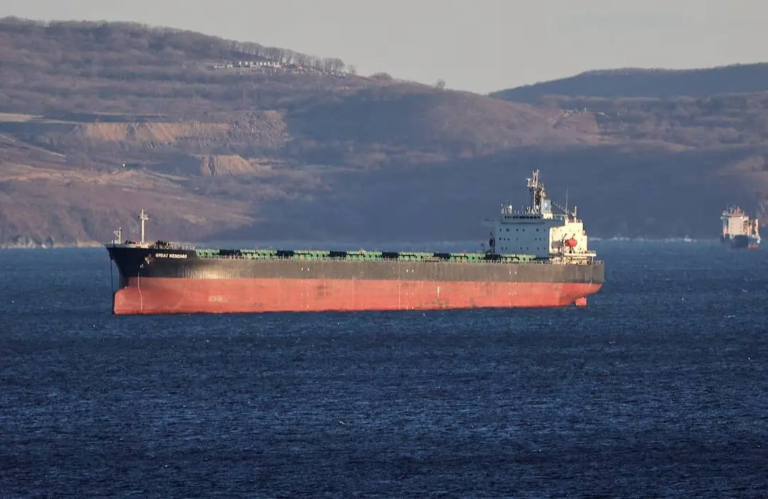
In response to the conflict, President Donald Trump reiterated his call for international cooperation to secure the safety of shipping routes, particularly through the Strait of Hormuz, a vital oil conduit for global trade. The U.S. has asked major European allies to assist, though a joint statement from Germany, Britain, France, and other nations emphasised that the cessation of hostilities must precede any efforts to ensure safe passage through the strait.
Despite this call for de-escalation, European leaders, including French President Emmanuel Macron, have made it clear that they are not willing to enter the conflict directly. Macron emphasised that the priority is to defend international law and promote de-escalation, with no European nations willing to join the war.
The attacks have not only destabilised the region but also created a complex political situation for both U.S. President Trump and Israeli Prime Minister Netanyahu. While Netanyahu has claimed that Iran is now incapable of enriching uranium or manufacturing ballistic missiles, the continuing strikes by Iran across the Middle East show that the conflict is far from over.
The war has already claimed thousands of lives and displaced millions, with heavy casualties reported in both Iran and Lebanon. The escalating violence and political ramifications for both Israel and the U.S. have compounded the difficulty of achieving a lasting peace. As the conflict drags on, the prospects for a swift resolution remain grim, especially with differing goals between Israel and the US, as outlined by U.S. Director of National Intelligence Tulsi Gabbard.
Read More : Brazil Scraps Petrol Tax Before Runoff Election
In addition, reports from the U.S. administration suggest that the Pentagon is contemplating deploying thousands of troops to the region, possibly even to reinforce military operations on Iran’s shores, though Trump has kept the specifics of such plans under wraps.
The situation continues to evolve rapidly, and with the continued targeting of strategic oil sites, the world is set to feel the consequences of this prolonged conflict for years to come.
As the war presses forward, international efforts to broker peace face mounting challenges, with no clear path toward an end to the violence.