Trending

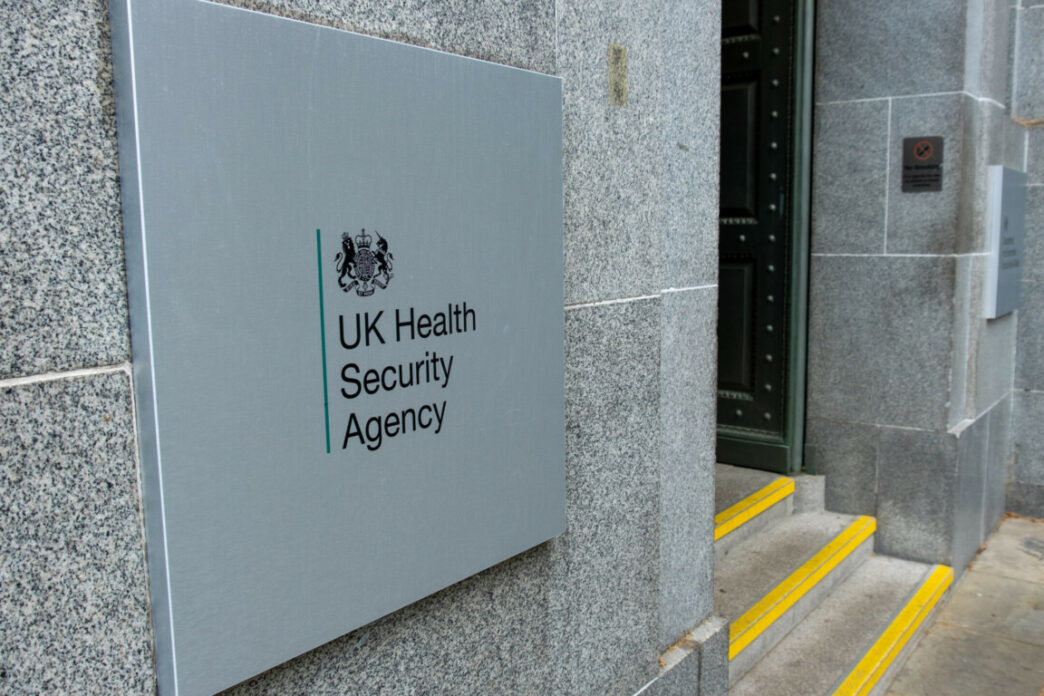
Meningitis cases being examined by the United Kingdom (UK) authorities rose again on Friday, from 27 to 29, according to the latest figures, although the rate of increase appeared to have slowed.
The meningitis outbreak in the UK was discovered over the weekend, and focus has been on the University of Kent in southeastern Canterbury and a nightclub popular with students since the outbreak came to light.
Over ten people have been hospitalised in the UK, and students are being urged to take preventative antibiotics.
Read More : Washington Tightens Iran Economic Squeeze
Michael Kenny, the father of 18-year-old Juliette Kenny, one of the two young people who died, called for “urgent action” on vaccinating young people against meningitis B.
“The illness took her from us so quickly,” her father said in a statement to the PA news agency, describing her as having a “beautifully positive energy. No family should experience this pain and tragedy.” he said.

The 18-year-old died on March 14, only a day after first showing symptoms. Authorities revealed that the other young person who died was a 21-year-old student.
AFP reported that the University of Kent has rolled out a targeted vaccination programme for the deadly bacterial strain for some 5,000 students, with hundreds of students queuing on campus daily to get the jab.
Meningitis is a deadly infection which can lead to sepsis if it affects the protective membranes surrounding the brain and spinal cord. It is most common in young children, teenagers and young adults. Initial symptoms of meningitis include headache, fever, drowsiness, and a stiff neck, but these are also symptoms of other illnesses and can hamper prompt diagnosis.
Read More : UNGA: Lavrov Offers Help in Gulf, Slams Europe
It can progress rapidly, with another sign often being a rash, and is spread through prolonged close contact, including kissing or the sharing of vapes or drinks.