Trending
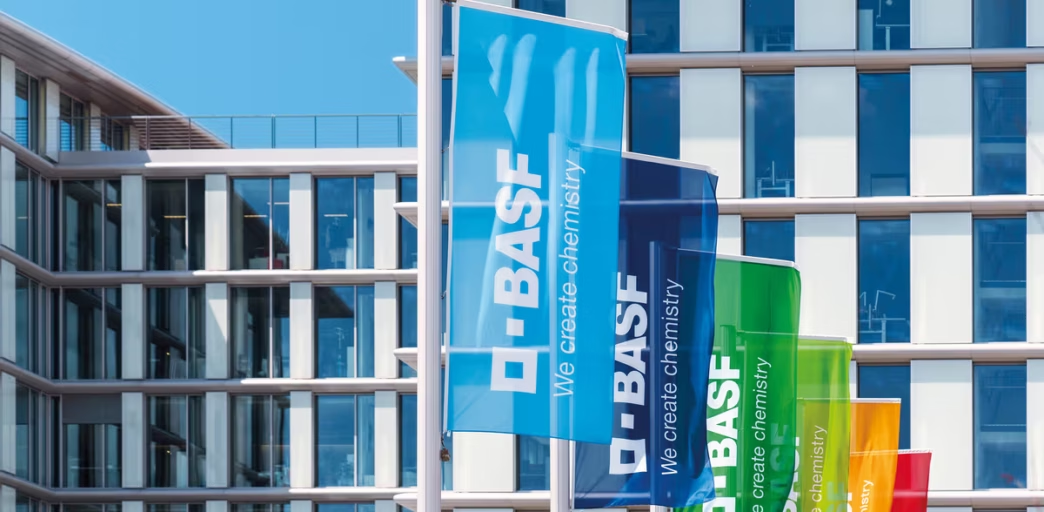
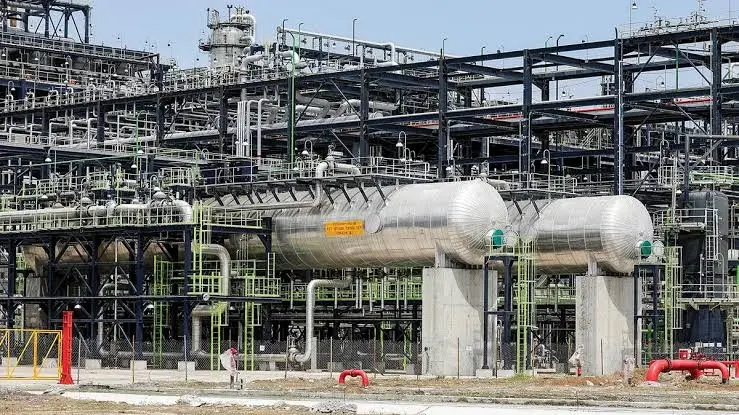
German chemical giant BASF inaugurated its massive €8.7 billion ($10 billion) production site in Zhanjiang, China, on Thursday.
Spanning approximately four square kilometres in Guangdong Province, the “Verbund” complex represents the largest single investment in the company’s history and its third-largest site globally.
CEO Markus Kamieth described the project as a “flagship for the future of chemistry,” emphasising its transition to smart manufacturing and its strategic goal of capturing growth in the world’s largest chemical market.
Read More : Nigeria Rejects 124 Percent Debt Ratio Claim
The expansion comes at a pivotal moment as Germany’s domestic chemical sector faces a severe crisis fuelled by high energy costs and administrative hurdles.
While BASF has been cutting thousands of jobs at its historic Ludwigshafen headquarters and shifting back-office roles to India, the Zhanjiang site has already employed over 2,000 people to produce chemicals for the automotive, consumer goods, and electronics industries.
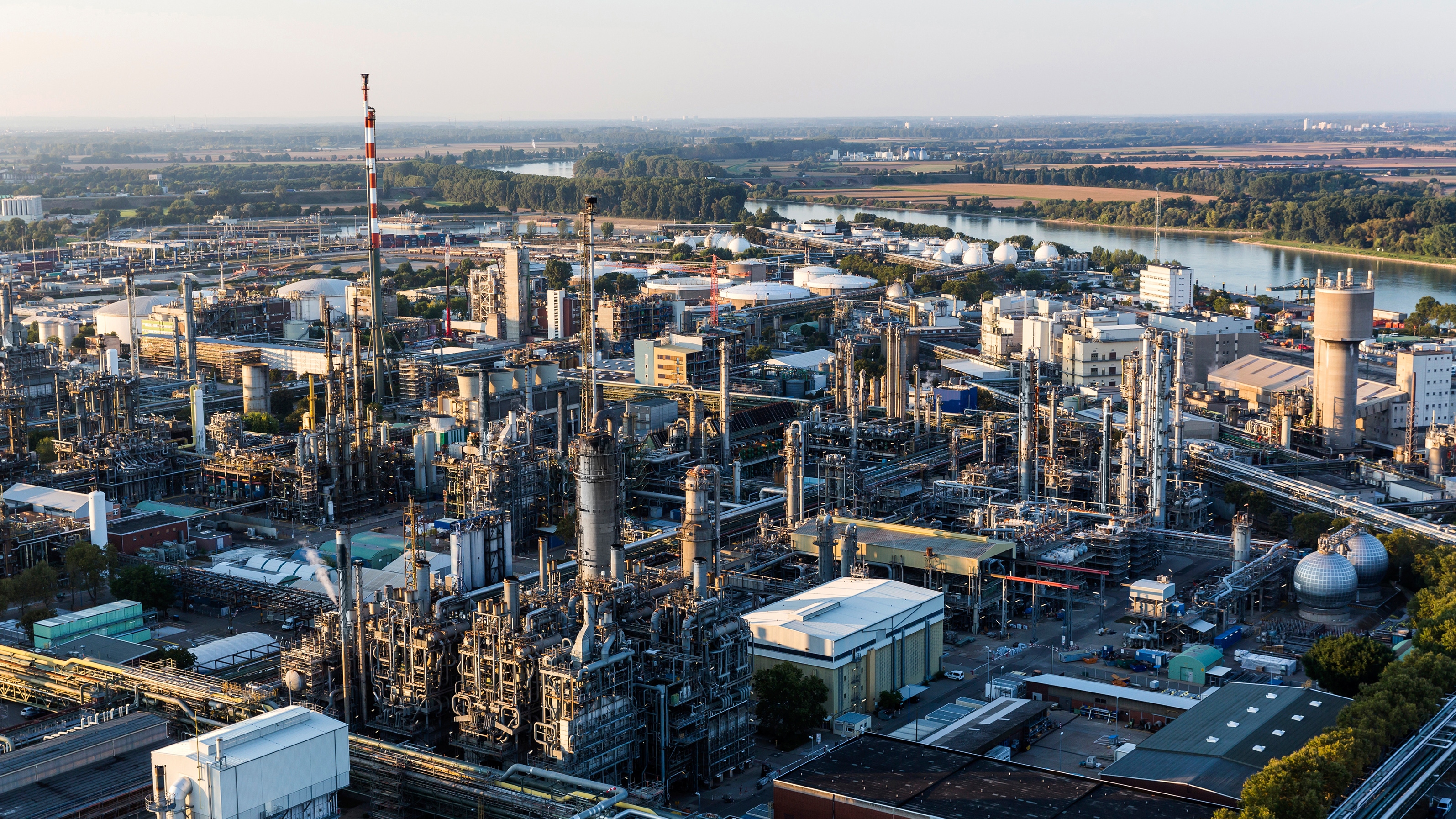
The facility is uniquely designed to be powered 100% by renewable electricity, featuring the world’s first steam cracker driven by renewable energy.
Despite the technical milestones, the project remains a subject of intense debate in Europe.
Read More : Oil Lifts Saudi Stocks as Egypt Market Falls
Critics have raised concerns about deepening dependence on China amidst Berlin’s “de-risking” strategy and past human rights controversies involving BASF’s former partners in Xinjiang.
Furthermore, with the Chinese economy currently facing a prolonged slowdown and market overcapacity, some analysts question the venture’s long-term profitability.
Nevertheless, BASF maintains that a “local-for-local” production strategy in Asia is essential for its survival and competitive edge against rising Chinese rivals.