Trending
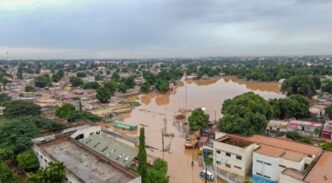
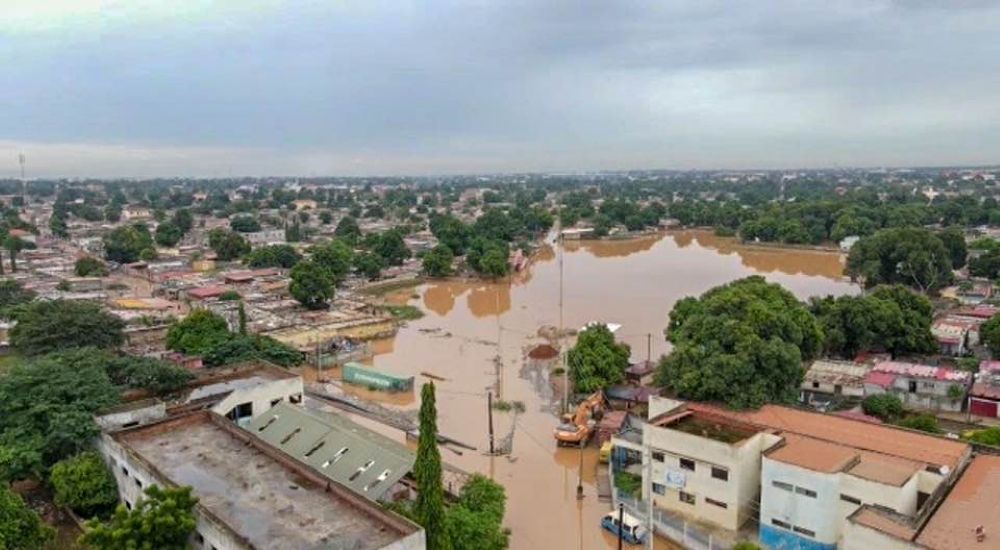
Torrential rains have unleashed deadly floods across Angola, leaving at least 15 people dead and more than 4,000 homes submerged, according to emergency services.
The intense, hours-long storm overwhelmed drainage systems, inundating streets and crippling infrastructure in the capital, Luanda and the coastal city of Benguela.
Benguela suffered the heaviest losses, accounting for 12 of the reported fatalities, while three deaths were confirmed in Luanda. Authorities described the figures as preliminary, warning that the toll could rise as rescue and assessment efforts continue. Floodwaters swept through residential areas, destroying homes and leaving thousands displaced in a matter of hours.
Read More : Angola Cuts Interest Rate to 14.75 Percent
For many residents, the disaster has been devastating and deeply personal.
“I’ve lost almost everything and I don’t know where to go,” said Natalia, a resident of Luanda’s Kilamba neighbourhood. She described how her home was turned into a “swimming pool” by the relentless downpour. Her family has since been forced to relocate children and grandchildren to stay with relatives. “We really are at a loss for words. May God help us,” she added, capturing the despair felt across affected communities.
In neighbouring Namibia, rising waters along the Zambezi River have forced thousands to flee their homes. Officials reported water levels surging to approximately 6.8 metres, far exceeding the typical four-metre mark. Authorities have since relocated displaced residents into nine temporary camps, including one sheltering more than 2,700 people.
As emergency responses continue, the twin crises in Angola and Namibia underscore the growing vulnerability of communities across southern Africa to extreme weather and the urgent need for stronger climate resilience measures.