Trending
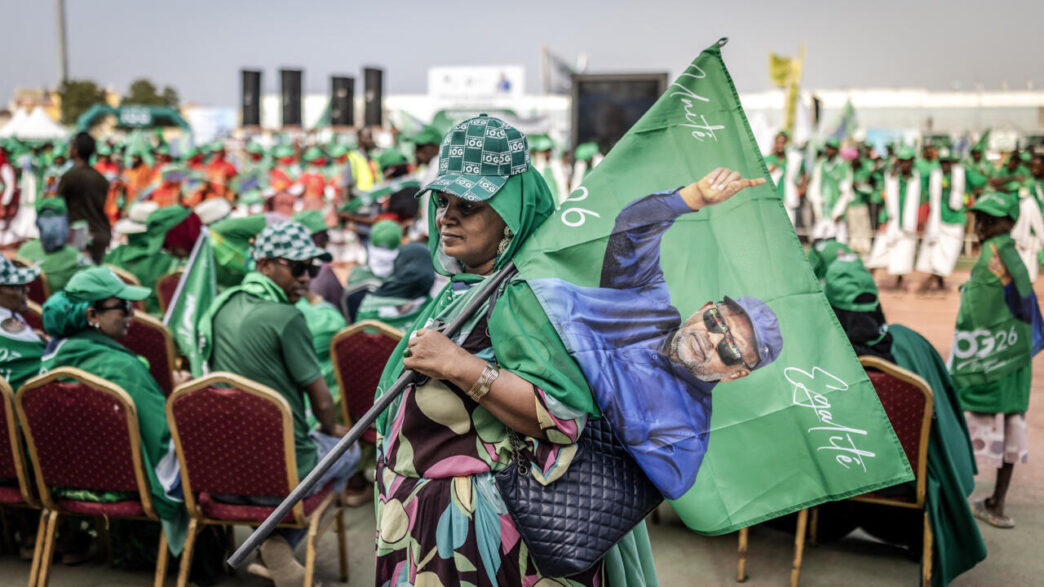
Djibouti will hold a presidential election on Friday, with incumbent President Ismaïl Omar Guelleh popularly expected to extend his 27-year rule after constitutional changes removed age limits that would have prevented him from running again.
The small Horn of Africa nation, with a population of under one million, sits at a strategic location along the Gulf of Aden near the entrance to the Red Sea.
It hosts military bases for several countries, including the United States, China, France, Italy, and Japan.
Guelleh, 78, has been in power since 1999, succeeding his uncle, Djibouti’s first president, after independence from France in 1977.
Over the years, his government has focused on expanding port infrastructure, turning the country into a key trade gateway for landlocked Ethiopia.
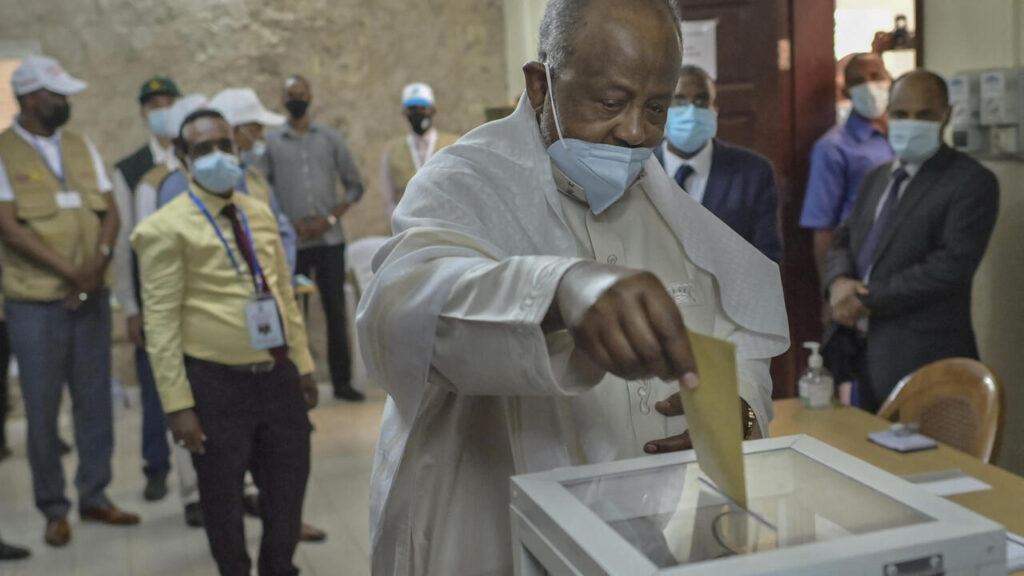
He faces only one challenger in the election, Mohamed Farah Samatar of the small Unified Democratic Centre party. Guelleh has won every election he has contested, often by large margins, including over 97% of the vote in 2021.
“Let us remember we have managed to maintain the stability of our country in an unstable region. We have preserved peace when others have descended into chaos,” Guelleh said in public comments last month.
Opposition groups and human rights organisations have accused the government of restricting political freedoms and limiting spaces for dissent. Some major opposition parties have boycotted elections since 2016, citing concerns about fairness.
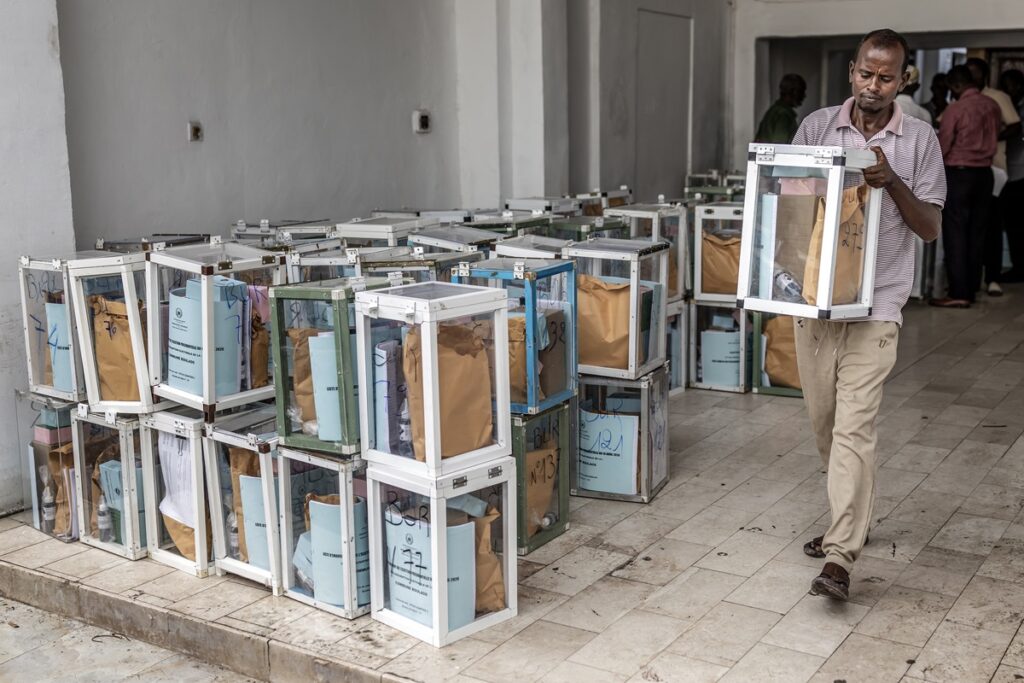
The government denies allegations of widespread abuses and maintains that elections are free and fair.
Samatar has campaigned on promises to fight corruption, reduce government spending, and increase social investment.
Parliament recently removed the presidential age limit of 75 and scrapped a requirement for a referendum to approve constitutional changes, clearing the way for Guelleh to run again.