Trending
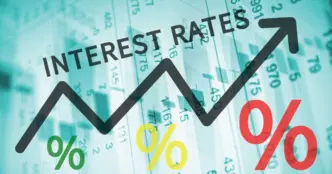
Sri Lanka’s Central Bank on Tuesday increased its key interest rate for the first time in over three years, as authorities move to contain rising inflation and currency instability linked to global energy disruptions.
The bank raised its benchmark short-term lending rate by 100 basis points to 8.75 per cent, saying external shocks were feeding into domestic price pressures and economic uncertainty.
In its policy statement, the Central Bank of Sri Lanka said tensions in the Middle East had pushed global commodity prices higher, particularly oil, adding strain to both the global and domestic economy. It noted that uncertainty around energy supplies had continued to drive inflationary risks.
“The uncertainties arising from the heightened tensions in the Middle East have prompted global commodity prices, particularly petroleum, to remain high, adversely affecting the global as well as the domestic economy,” the Central Bank of Sri Lanka said.
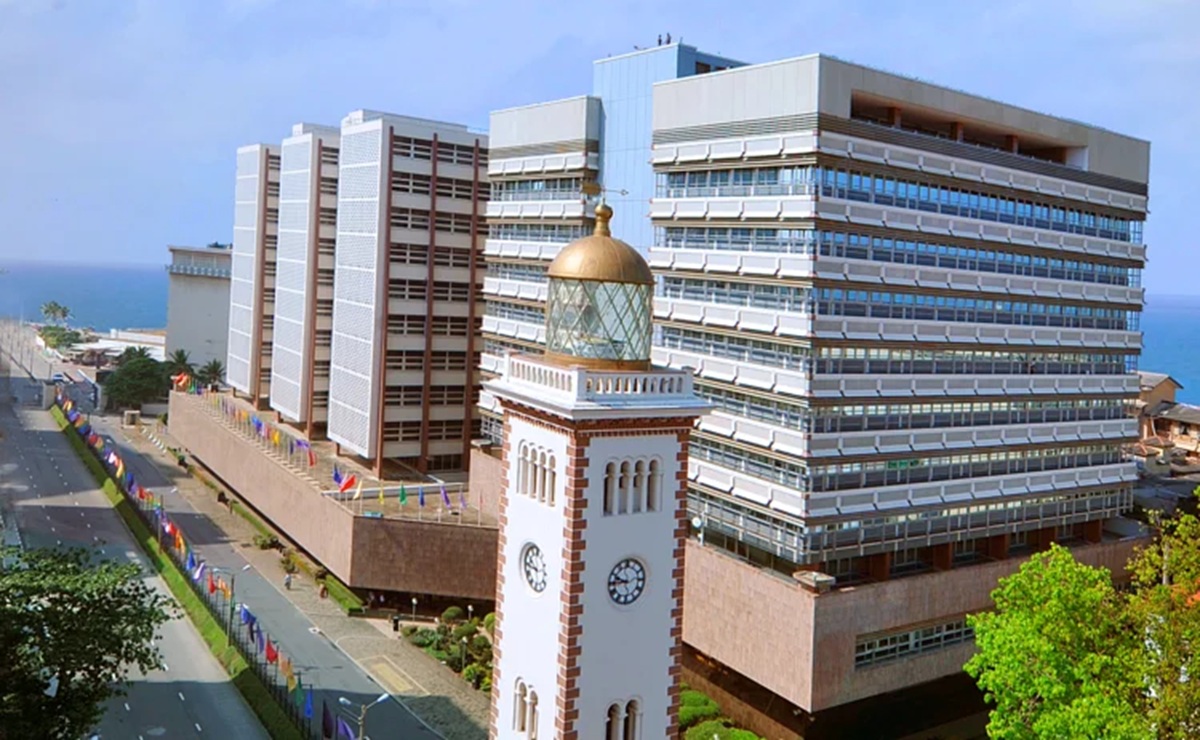
Inflation in the country rose to 5.4 percent year-on-year in April, surpassing the central bank’s 2026 target of 5 percent, while the Sri Lankan rupee has weakened by more than 7 percent against the US dollar since the start of the year, according to official figures.
Authorities also pointed to broader spillovers, including elevated fuel import costs and higher electricity tariffs, which have increased by more than a third since the escalation of tensions involving Iran.
The government, which is currently seeking fresh disbursements from the International Monetary Fund (IMF) under its $2.9 billion bailout programme, said it expects to receive about $700 million in additional support this week.
Sri Lanka is still recovering from its worst economic crisis in decades, worsened by a cyclone late last year that killed at least 643 people and affected more than a tenth of the population, according to the World Bank.