Trending

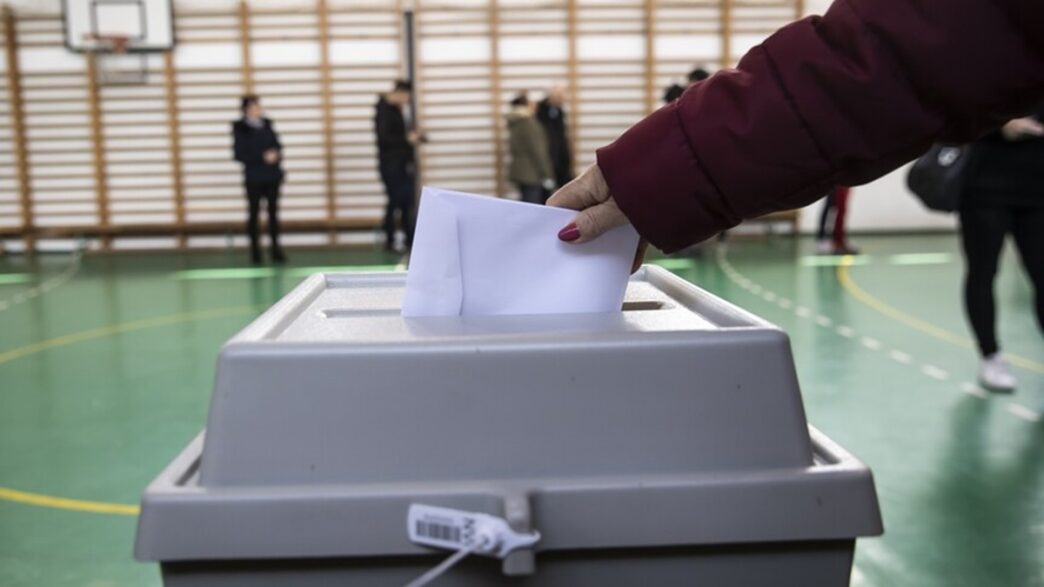
Hungarians will begin voting on Sunday, in a closely watched parliamentary election that could bring an end to Prime Minister Viktor Orban’s 16-year rule.
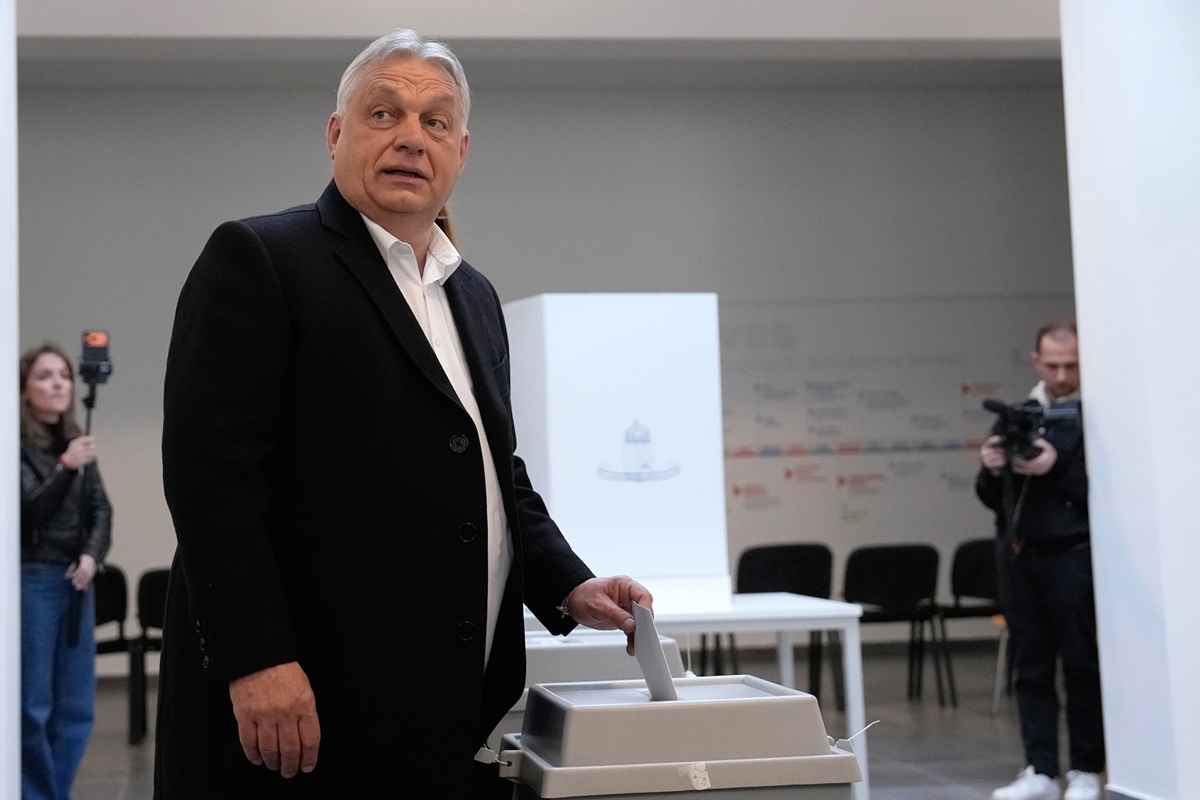
Orban, 62, is seeking a fifth consecutive term, but faces a strong challenge from opposition leader Peter Magyar, whose Tisza party has surged in opinion polls on a pro-European reform platform.
The vote has drawn significant international attention, with United States President Donald Trump backing Orban, while US Vice President JD Vance visited Budapest earlier in the week to show support for the Hungarian leader.
Both camps have raised allegations of foreign interference during the campaign, reflecting heightened political tensions in the country of 9.5 million people.
Orban has reshaped Hungary into what he describes as an “illiberal democracy,” positioning himself as a defender of national sovereignty and traditional values, while clashing repeatedly with the European Union over migration, governance and rule-of-law concerns.
Brussels has frozen billions of euros in funding over those disputes.
Magyar, a former government insider who entered politics two years ago, has campaigned on a promise of sweeping political change, urging voters to reclaim Hungary’s democratic direction, tackle corruption and strengthen ties with the EU.
Some voters said the election represents a decisive moment for the country’s future direction, particularly in choosing between closer alignment with Europe or a continued eastward tilt.
Others expressed support for Orban, citing concerns about external influence and arguing that his leadership provides stability amid geopolitical uncertainty.
Orban has made the war in Ukraine a central theme of his campaign, portraying the neighbouring country as hostile to Hungarian interests, while also pledging to intensify actions against what he described as hostile civil society actors and political opponents.
Analysts warn that another victory for Orban could deepen concerns about democratic backsliding, while a win for the opposition could mark a significant political shift.
Voting opened at 6:00 am and is expected to see a record turnout of about 75 per cent, surpassing previous elections. Preliminary results are expected shortly after polls close, though a final outcome may be delayed if the race proves tight.