Trending
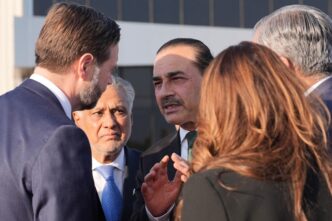
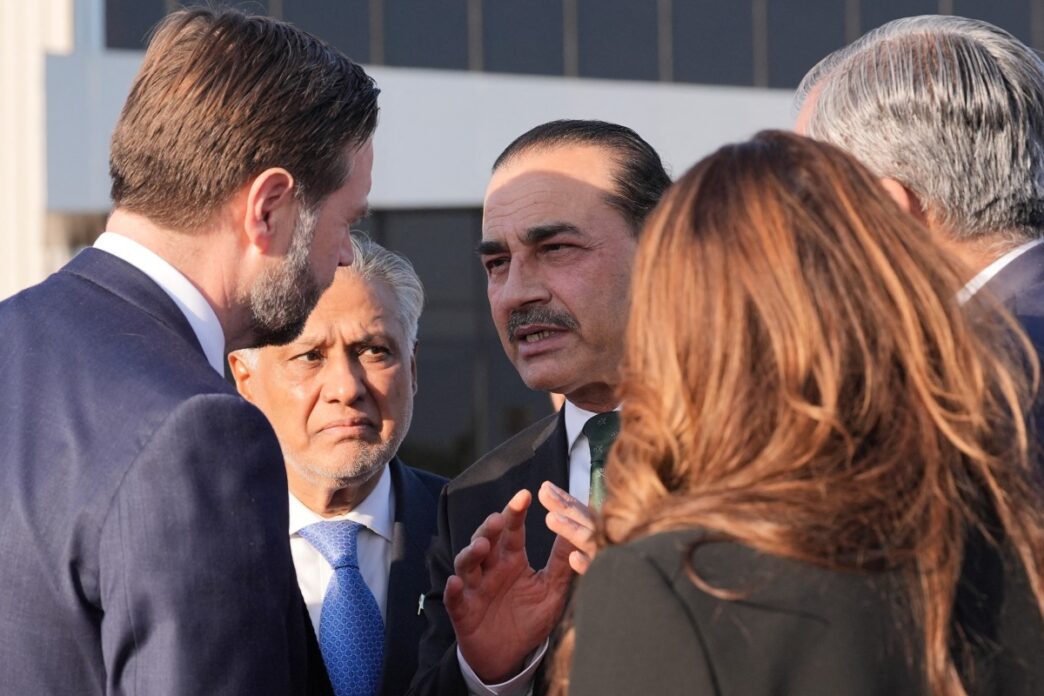
Renewed diplomatic activity has raised cautious optimism over efforts to stabilise the Middle East, after US President Donald Trump indicated that peace talks between the United States and Iran could resume within days, while Israel and Lebanon have agreed to begin direct negotiations for the first time in decades.
Trump, speaking to The New York Post, said discussions with Tehran could restart in Pakistan “over the next two days,” following claims that Iranian officials had reached out in pursuit of a deal. The renewed push comes after earlier talks failed to produce a breakthrough, leaving tensions unresolved despite a fragile truce.
In a parallel development, Israel and Lebanon have agreed to launch direct talks after a meeting in Washington, marking a rare diplomatic shift between two countries that have remained formally at war for years.
Read More : Hurricane Isaias hits Florida’s Gulf Coast
The engagement was facilitated by Marco Rubio, who described the moment as a “historic opportunity,” while noting the weight of longstanding divisions.
Lebanese President Joseph Aoun said he hoped the process would “mark the beginning of the end of the suffering of the Lebanese people.” However, the situation remains volatile. Hezbollah has rejected the talks and carried out rocket attacks on northern Israel during the Washington meeting, underlining the fragility of the diplomatic progress.
The United States has simultaneously intensified pressure on Iran through a naval blockade targeting vessels linked to its ports. Iranian military officials have condemned the move as “an act of piracy,” warning that escalation could threaten wider regional security.
Read More : 7.7 Quake Hits Panama, Triggers Tsunami Warning
At the centre of the negotiations is Iran’s nuclear programme. Washington has pushed for a long-term suspension of uranium enrichment, while Tehran has proposed a shorter timeframe, an offer that has reportedly been rejected.
UN Secretary General, António Guterres, has stressed that “there is no military solution,” urging that “serious negotiations must resume.”
While global markets have responded positively to signs of progress, the broader outlook remains uncertain.