Trending

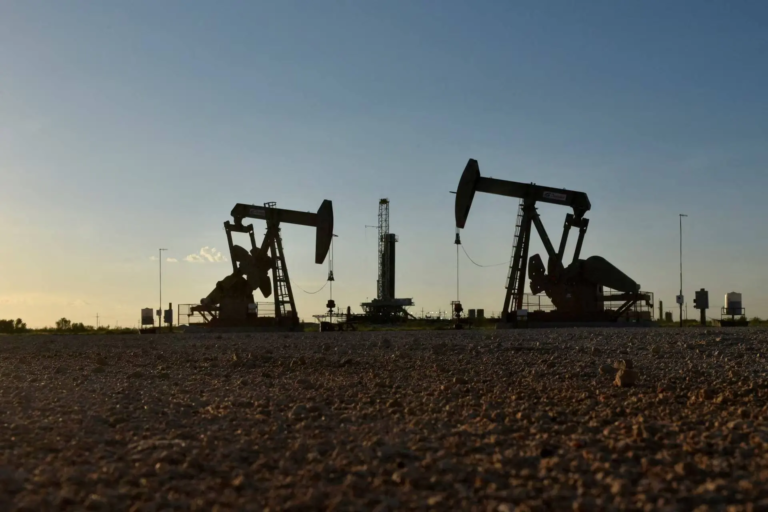
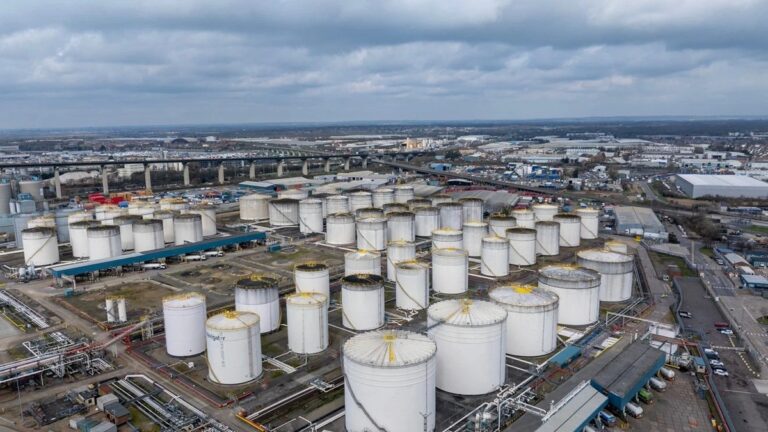
Oil prices rose on Wednesday as investors navigated a complex landscape of diplomatic hope and military threats.
While President Donald Trump suggested that peace negotiations regarding the Middle East conflict could resume shortly via Pakistan, Iran countered with a warning to disrupt Red Sea trade unless the U.S. naval blockade on its ports is lifted.
This friction caused a rise in crude futures, with West Texas Intermediate climbing over 1%, reflecting market anxiety that a resolution might not be as seamless as previously anticipated.
Read More : IEA Ready to Release More Oil Reserves
On Wall Street, market performance was split; the S&P 500 and Nasdaq continued their recovery to pre-war levels, bolstered by strong quarterly earnings from several blue-chip firms.
These results have provided some reassurance that corporate profits might withstand the geopolitical volatility.

However, the Dow Jones struggled, and European markets faced pressure from disappointing luxury sector data.
French giants Kering and Hermes saw significant share price drops after reporting that the ongoing regional instability had negatively impacted their first-quarter sales.
Read More : Moody’s Upgrades Sub-Saharan Outlook
The broader financial environment shows a tug-of-war between optimism and caution.
While the dollar has retreated to pre-conflict levels, signalling a decreased demand for safe-haven assets, analysts warn that pricing in a total cessation of hostilities may be premature.
As major indices in Asia remained largely positive, the focus remains on the upcoming diplomatic sessions and whether they can successfully de-escalate tensions and restore the flow of global energy supplies.