Trending
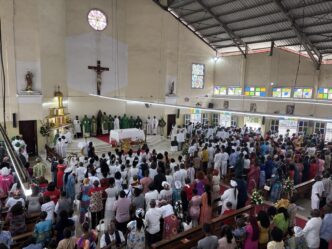
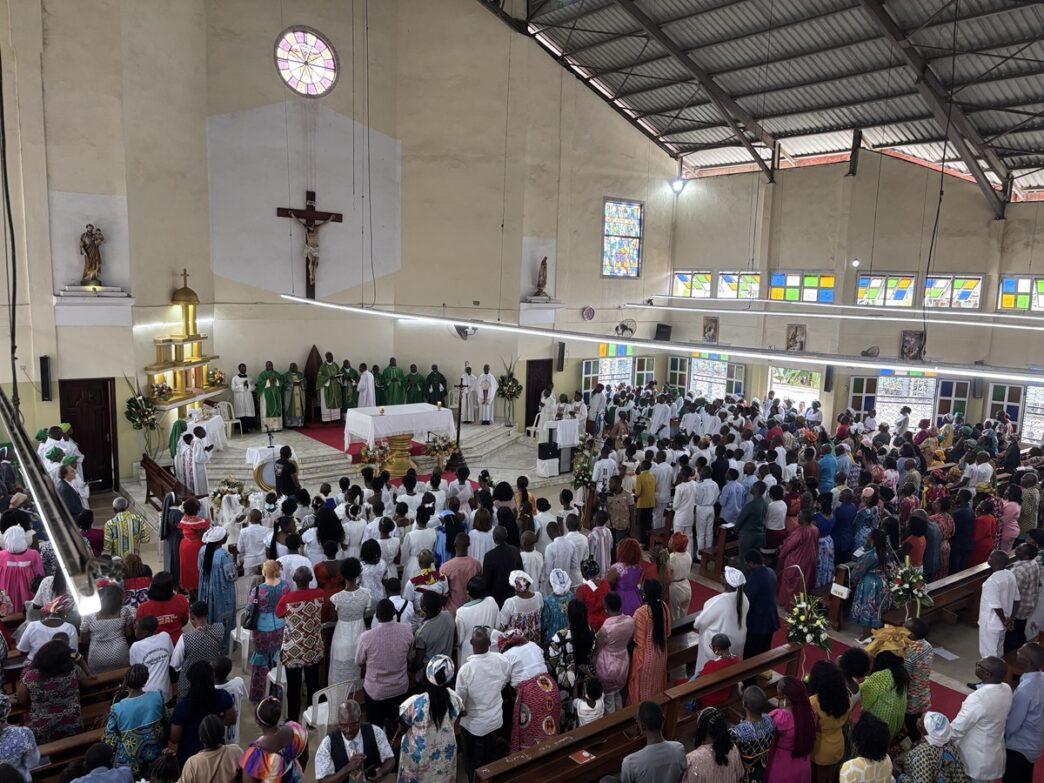
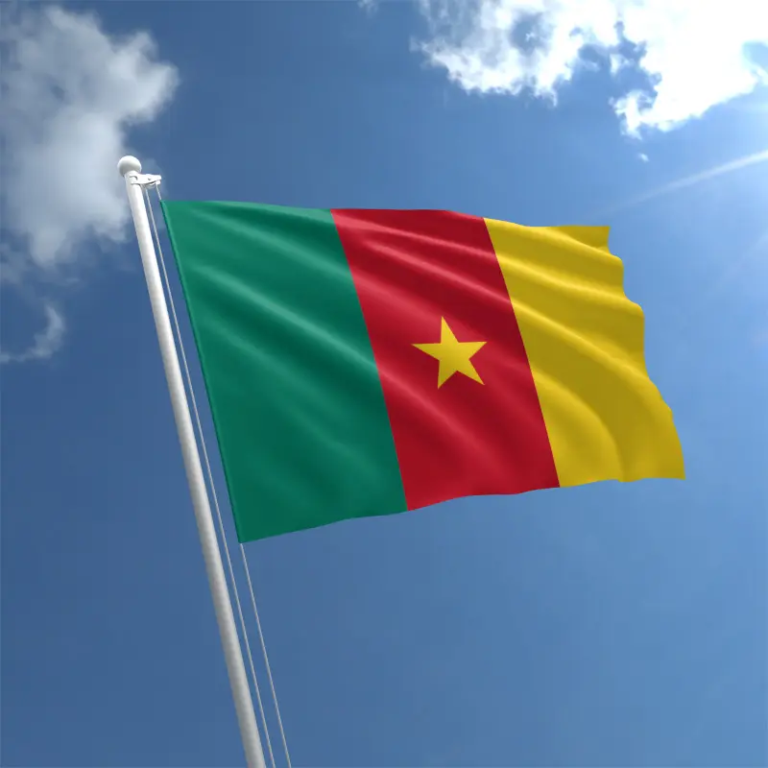
Cameroon is Pope Leo XIV’s next stop in his African tour. For the Central African country’s over seven million Catholics, the pontiff’s visit is symbolic.
The Pope was in Algeria, a North African Muslim-majority country, before landing in Yaoundé, Cameroon’s capital, on Wednesday. There is a striking contrast between the ecclesial landscape in Cameroon and Algeria.
Many Cameroonian Catholics have expressed optimism in the Pope’s visit. They hope that his visit and his message of peace will ease the country’s longstanding crisis.
The Catholic Church in Cameroon plays a key mediation role and runs a large network of hospitals, schools and charities. It is also significant, institutionally entrenched, socially influential, and politically attentive.
Here are five facts about the Catholic Church in Cameroon:
Deep Historical Roots
The history of the Catholic Church in Cameroon dates back to the 19th century under German colonial administration and later French and British rule. During the colonial era in the Central African country, missionaries established schools, clinics, and parishes that became foundational to local communities.
The trajectory has, however, shifted from missionary congregations to indigenous clergy, as Cameroonian clergymen lead the Catholic congregation across the country, and missionary institutes have shifted toward collaboration.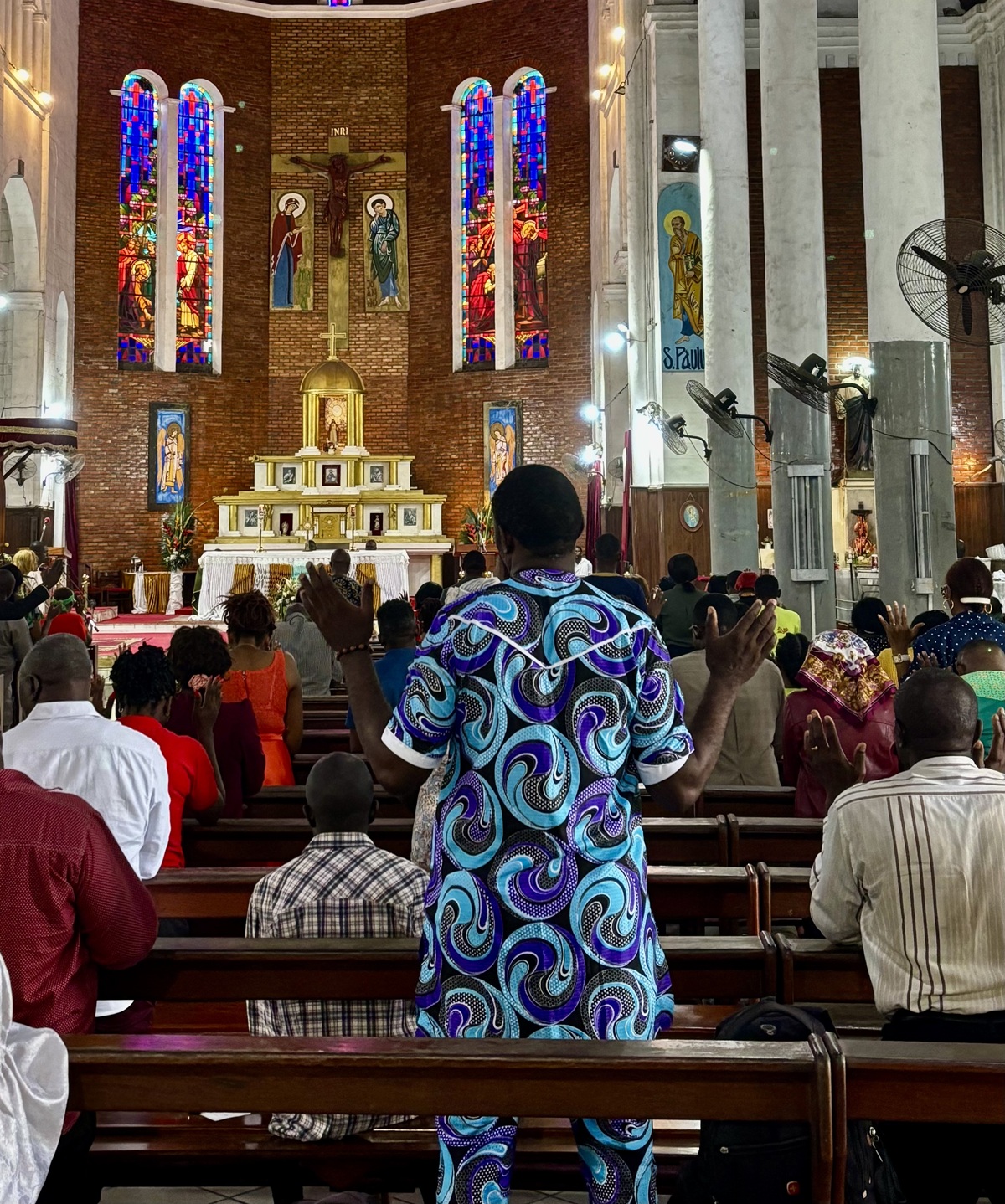
Over 100 people worshipped at a Wednesday, 12:30 pm Mass in Douala, Cameroon, at the Cathedral of Saints Peter and Paul, built in 1936 by French members of the Congregation of the Holy Spirit—Spiritan fathers—on the site of the city’s first Catholic church. Over 38% of the country’s 30 million people are Catholic, the largest religious group. Douala is Cameroon’s largest city and its economic hub, with Central Africa’s busiest port on the Atlantic Ocean. Credit: Victor Gaetan
Political And Social Mediation Roles
In the Central African country, which has been the epicentre of a nearly decade-long separatist conflict, the Catholic Church operates as a moral voice, engaging in public discourse on governance, elections, corruption, and national unity.
The Church also plays a mediating role in the country, where its unity is threatened by separatist tensions and crises between the northern and southern regions. Clergymen in regions rife with tension and conflict, particularly in Bamenda, have appealed for dialogue and protection of civilians.
Linguistic, Cultural, And Religious Pluralism
Cameroon is a diverse country in culture, language, tradition and religion. The country officially operates in both French and English, with numerous Indigenous languages in daily use. This linguistic diversity is also reflected in the Catholic Church’s operations.
The Church often ministers across Francophone and Anglophone regions, urban and rural contexts, and varied ethnic identities. Liturgies sometimes incorporate local languages and music while maintaining doctrinal unity.
Four Papal Visits
Pope Leo XIV’s visit to Cameroon is the fourth papal visit to the Central African country. The pontiff is the third to visit the country. There had been three papal visits before now. Cameroon has hosted Pope Paul VI in 1969, Pope John Paul II in 1985 and 1995, and Pope Benedict XVI in 2009.
Leading Role In Education And Health
The Catholic Church in Cameroon runs a large network of hospitals, schools, and charities and plays a leading role in the country’s education and health sectors. Catholic-established primary and secondary schools are common in the country. Many tertiary institutions and teacher training colleges in Cameroon are sponsored by the Catholic Church.
In many regions in the country where public health systems are strained, Catholic Church-run facilities frequently fill service gaps.