Trending

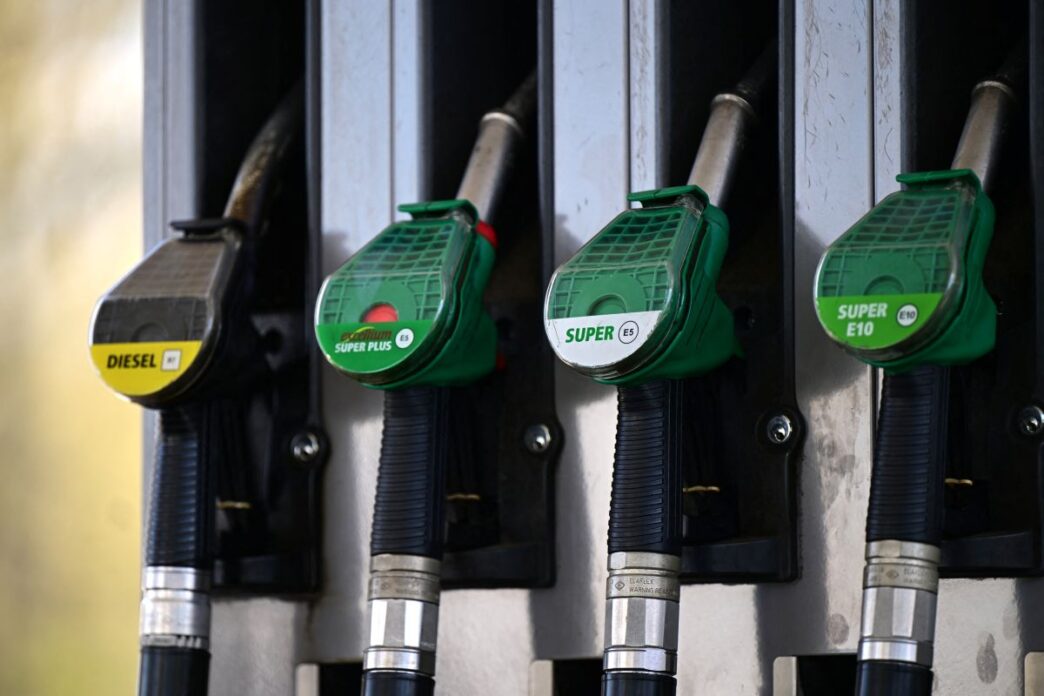
As the situation in the Strait of Hormuz remains tense, the aviation industry faces the growing risk of jet fuel shortages that could ground planes in the coming weeks.
The closure of this crucial waterway, through which a fifth of the world’s crude oil and liquefied natural gas supplies pass, has led to a dramatic shift in fuel availability, especially for countries in Asia and Europe.
Rystad Energy economist Claudio Galimberti warned that Europe could face severe flight cancellations as early as May and June if fuel supplies do not improve.
“You can have severe cuts of flights in Europe, already starting in May and June,” he cautioned.
Despite these warnings, the European Commission has assured that there is currently no evidence of fuel shortages within the EU.
“There is no evidence for fuel shortages in the European Union at present,” although she acknowledged that “supply issues could occur in the near future, particularly for jet fuels.” Spokeswoman Anna-Kaisa Itkonen emphasised.
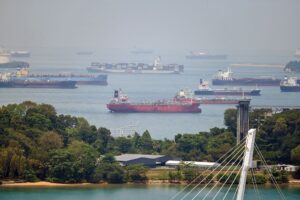
The clock is ticking, however. Last week, the Airports Council International Europe warned that jet fuel shortages could hit Europe by the start of May if tankers are unable to pass through the Strait of Hormuz. The situation has already affected the global supply chain, as many oil tankers have been stranded since February, when the US and Israel escalated their military actions against Iran.
The International Energy Agency (IEA) has echoed these concerns, projecting that the market may tighten further, particularly for European countries that rely heavily on Middle Eastern oil supplies.
“If the global jet fuel market tightens further and European markets are unable to secure more than 50 percent of their lost Middle East volumes, then stocks will hit the crucial 23-day level in June,” the IEA warned.
Not all countries are equally vulnerable, however. Japan has built up considerable fuel reserves, while the situation in Europe varies. Austria, Bulgaria, and Poland are in a relatively comfortable position, while the UK, Iceland, and the Netherlands face more significant risks. The impact will also differ among airports, with smaller, inland airports being at a disadvantage compared to major hubs.
Rico Luman, an economist at ING Bank, explained, “It won’t be a matter of full halt, but part cancellation at some airlines and airports.”
Airlines are now in a race against time, urging the European Union to provide real-time fuel stock information to help them plan their schedules. However, fuel suppliers are hesitant to disclose sensitive commercial data, making this a difficult challenge.
Patrick Pouyanne, CEO of TotalEnergies, has warned that if the situation persists beyond three months, the company will struggle to meet demand, particularly for jet fuel.
As the crisis deepens, Airlines for Europe (A4E), which represents major carriers like Air France-KLM, Lufthansa, and Ryanair, has suggested that the European Commission consider importing jet fuel from the U.S.
However, this move is unlikely due to regulatory and logistical hurdles. The aviation industry now faces a difficult wait to see if the conflict in the Middle East can be resolved before the jet fuel shortage becomes a full-blown crisis.