Trending
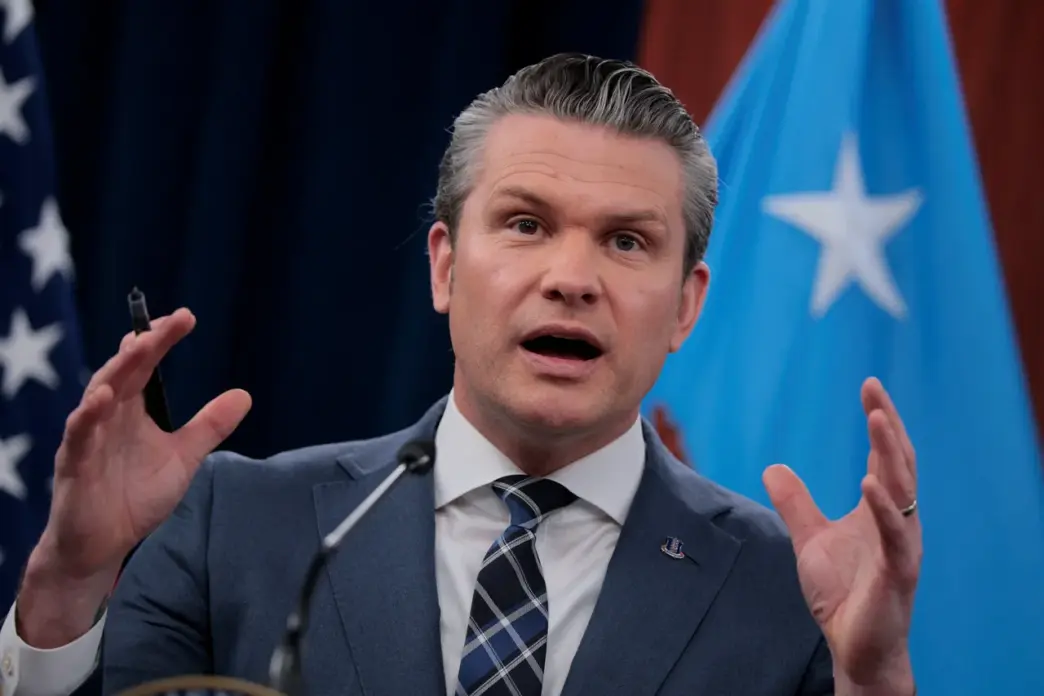
United States (US) War Secretary Pete Hegseth has challenged Iran’s claims over control of the Strait of Hormuz.
Iran has restricted and controlled passage from the Strait of Hormuz, where about 20% of the world’s oil and gas is conveyed through, since the US and Israel launched attacks against it on February 28, 2026.
Iran, however, allowed only selected ships to pass. This controlled passage led to a spike in crude oil and refined petroleum product prices worldwide.
The US and Iran agreed to a two-week truce last week, but when talks failed, US President Donald Trump threatened to blockade the Strait of Hormuz. The US Central Command (CENTCOM) said it blocked 10 ships within 48 hours of the US naval blockade.
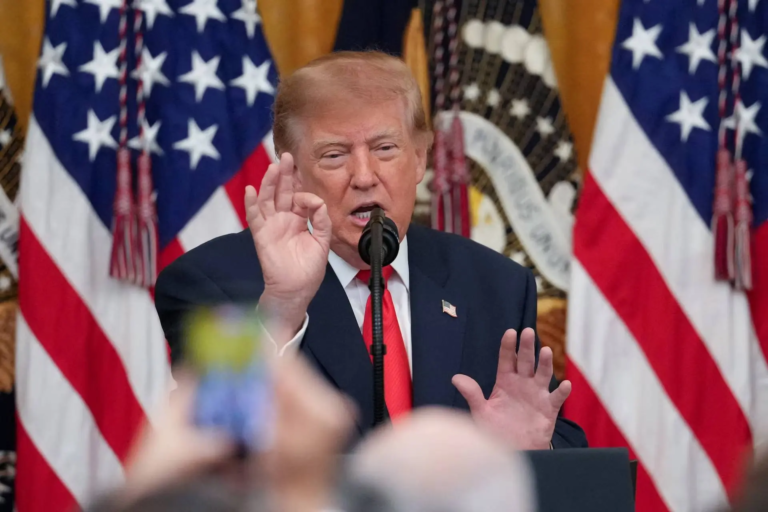
Hegseth, during a press briefing on Thursday, claimed Iran lacks a navy to control the Strait of Hormuz and accused it of piracy and terrorism.
Secretary Hegseth just delivered a message to Iranian military leadership:
“We are watching you. Our capabilities are not the same—our military and yours. Remember, this is NOT A FAIR FIGHT.
We know what military assets you are moving and where you are moving them. While you… pic.twitter.com/Mo5F5nBhIg
— DOW Rapid Response (@DOWResponse) April 16, 2026
“You like to say publicly, Iran, that you control the Strait of Hormuz. But you don’t have a navy or real domain awareness. You can’t control anything. To be clear, threatening to shoot missiles and drones at ships, commercial ships that are lawfully transiting international waters. That is not control. That’s piracy. That’s terrorism,” said Hegseth.
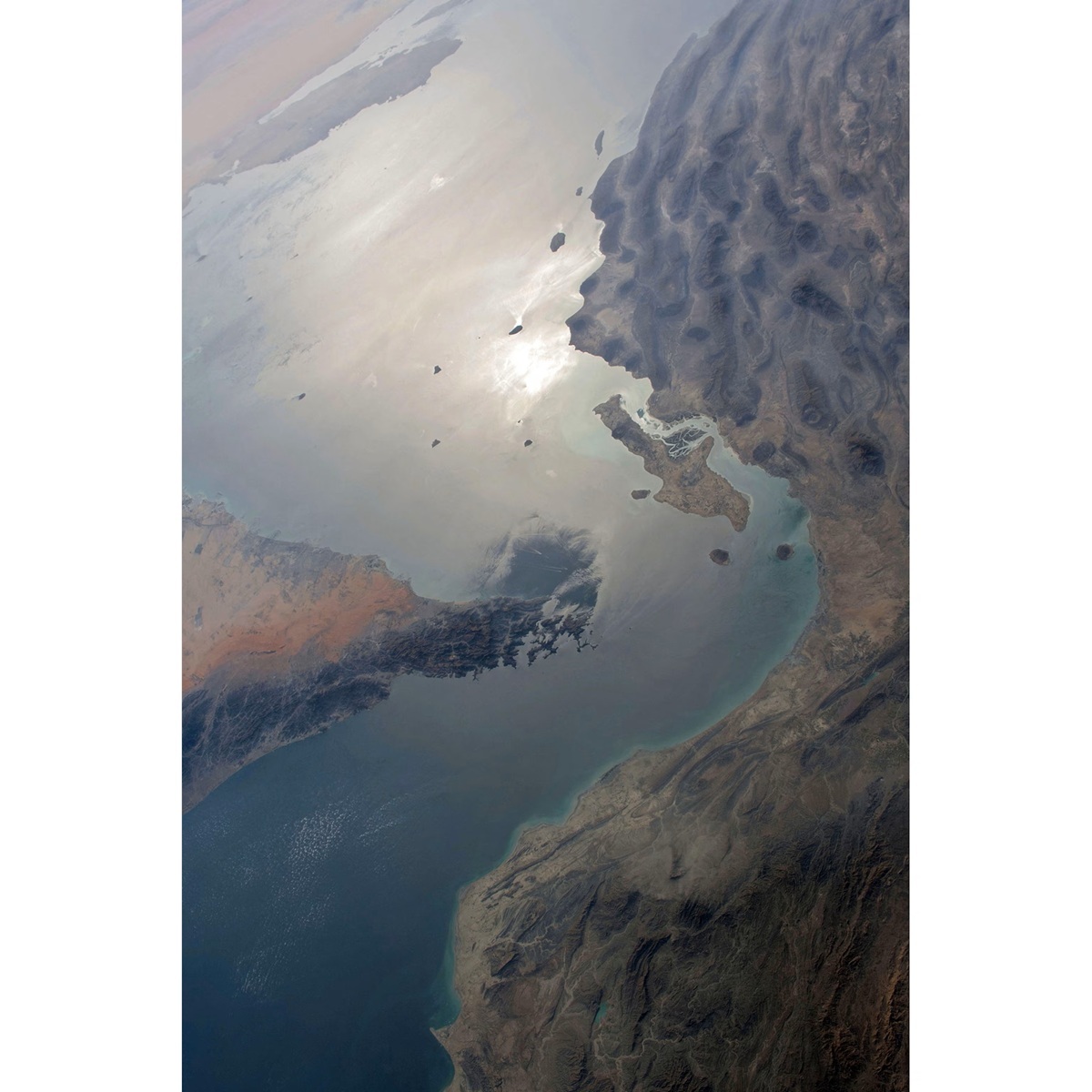
He also claimed that the US Navy controls the traffic going in and out of the Strait of Hormuz.
“And we’re doing this blockade, performing it with less than 10% of America’s naval power. The math is clear. We’re using 10% of the world’s most powerful Navy, and you have 0% of your navy. That’s real control. And we have a long track record of dealing with pirates.”
Iran has nuclear weapon ambitions, which the US considers a threat to its national security and that of its allies, but Iran claims its nuclear programmes are for civilian purposes.
Read More : UN Chief Warns ‘War On Nature’ Continues
The US has ordered Iran to stop any pathway to building nuclear weapons. That has been a major source of tension for years and the cause of the ongoing escalation.
Hegseth also threatened to disrupt Iran’s energy supply through the Strait of Hormuz if Iran does not give in to US demands.
“Our negotiators have said, you, Iran, can choose a prosperous future, a golden bridge, and we hope that you do for the people of Iran. In the meantime, and for as long as it takes, we will maintain this blockade, a successful blockade. But if Iran chooses poorly, then they will have a blockade and bombs dropping on infrastructure, power, and energy,” he added.