Trending
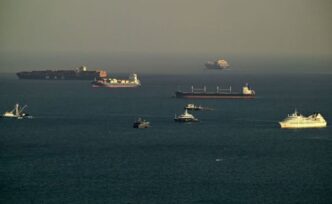
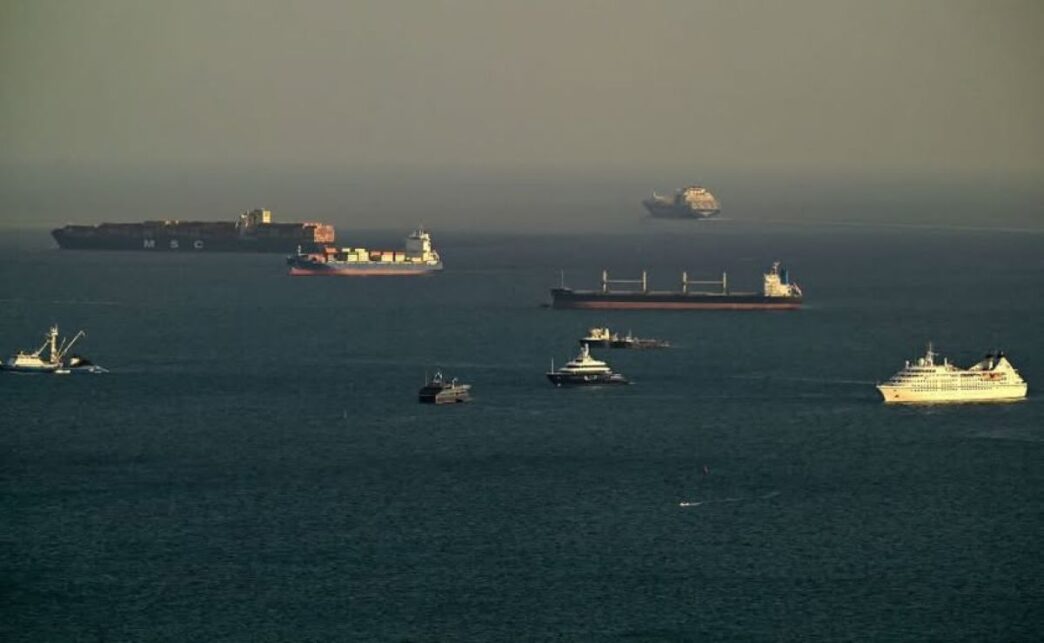
Iran’s Foreign Minister, Abbas Araghchi, confirmed on Friday that the Strait of Hormuz, a crucial maritime route for global oil trade, will remain “completely open” for the duration of a ceasefire in the Middle East, according to a statement made on X.
“The passage for all commercial vessels through the Strait of Hormuz is declared completely open for the remaining period of ceasefire,” Araghchi wrote. His comment highlights the geopolitical significance of the strait, which sees around 20% of the world’s oil pass through its waters daily.
However, the exact context of the ceasefire Araghchi mentioned remains unclear, and the ambiguity surrounding the ceasefire’s specific terms raises questions about the broader implications for regional stability and international relations.
The Strait of Hormuz has long been a flashpoint in the Middle East, with tensions over its control impacting global oil prices.
US President Donald Trump also confirmed that the Strait of Hormuz is “fully open”.
“Iran has just announced that the strait of Iran is fully open and ready for full passage. Thank you!”, Trump wrote.
However, in a separate post, Trump clarified that despite the strait being open, the naval blockade by the US will continue in full force till the “transaction” with Iran is complete.
Read More : Unknown Virus Leaks From Russian Lab
Crude prices have tumbled 10 per cent after the announcement of the opening of the Hormuz Strait, according to the Associated Press.
Iran’s pledge to keep the passage open underscores its commitment to maintaining regional security during the ceasefire, but the situation remains fluid as political negotiations continue.