Trending

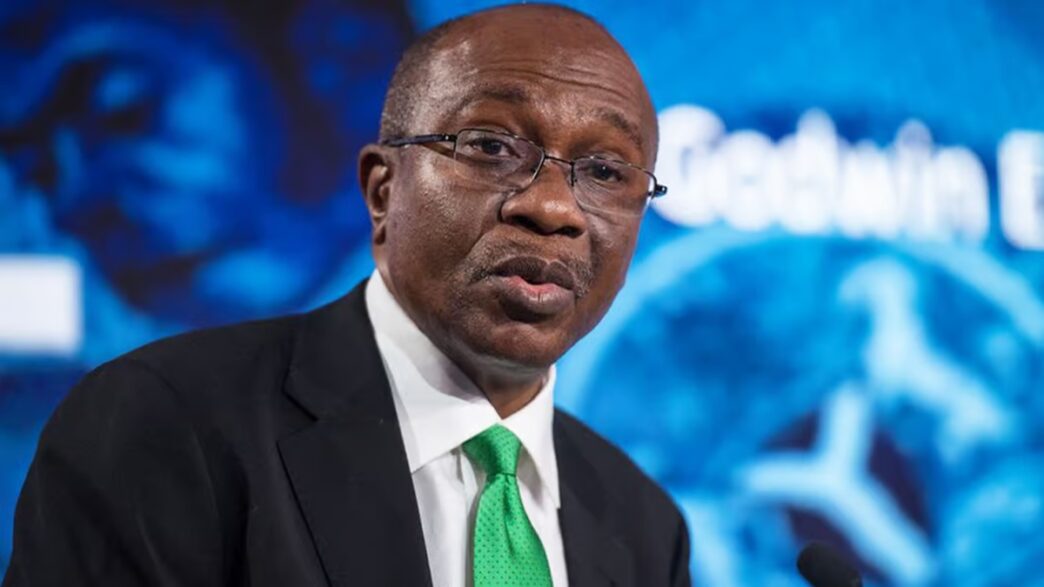
Justice Rahman Oshodi of the Ikeja Special Offences Court on Friday adjourned until May 4, 2026, to rule on the admissibility of an extrajudicial statement allegedly made by Henry Omoile, a co-defendant in the trial of former Central Bank of Nigeria (CBN) Governor Godwin Emefiele.
The judge fixed the date after prosecution and defence counsel adopted their final written addresses in a trial-within-trial to determine whether the statement was made voluntarily.
Emefiele is standing trial on a 19-count charge involving alleged gratification, corrupt demands and abuse of office linked to financial transactions, while Omoile faces a three-count charge over the alleged unlawful acceptance of gifts connected to dealings involving the CBN.
Read More : Kukah Warns Votes Could Decide Survival In 2027
The prosecution alleged the transactions involved about $4.5 billion and N2.8 billion.
Counsel to the second defendant, Adeyinka Kotoye, Senior Advocate of Nigeria (SAN), argued that the central issue before the court was whether the statement was voluntarily made.
He contended that the process through which it was obtained violated provisions of the Administration of Criminal Justice Law and the Administration of Criminal Justice Act.
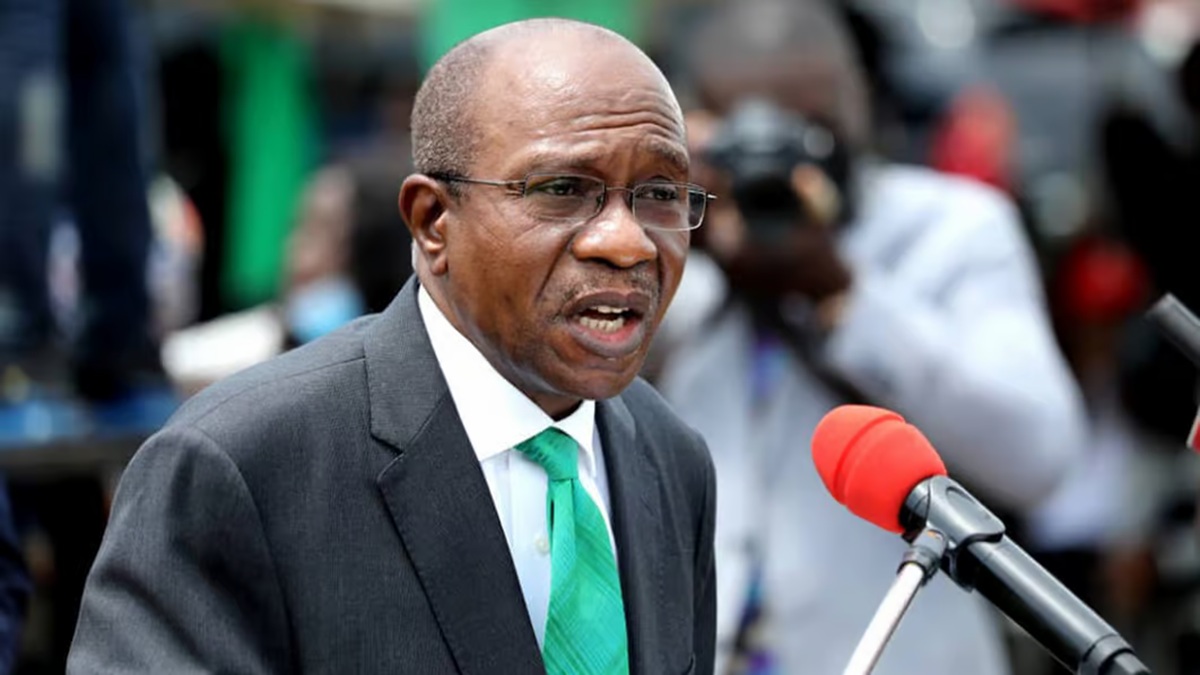
Kotoye maintained that where voluntariness is disputed, video recording of the interrogation is the most reliable way to prove compliance with due process.
He also faulted the prosecution for allegedly failing to provide independent evidence to support the statement and questioned the effectiveness of the lawyer said to have been present during the process.
According to him, the mere presence of counsel was insufficient if the lawyer was unable to properly protect the defendant’s rights, adding that the statement could have been influenced by coercion or inducement.
“The mere presence of a legal practitioner is not enough where that counsel was unable to effectively discharge his duty,” Kotoye argued.
Counsel to Emefiele, Olalekan Ojo, Senior Advocate of Nigeria (SAN), also urged the court to reject the statement, arguing that any doubt over voluntariness should be resolved in favour of the accused.
“Any doubt regarding the voluntariness of a statement must be resolved in favour of the accused,” Ojo said.
He said statements obtained through oppression, inducement or improper means are inadmissible and that the prosecution had failed to prove otherwise.
He added that once voluntariness is challenged, the burden shifts to the prosecution, insisting that burden had not been discharged.
However, the Director of Public Prosecutions of the Federation, Rotimi Oyedepo (SAN), asked the court to admit the statement as evidence.
He argued that Emefiele’s counsel could not challenge the admissibility of a statement to which no objection was raised when it was first tendered.
Oyedepo said the statement was obtained in line with the law and noted that although it was not video-recorded, it was taken in the presence of Omoile’s lawyer.
“The first defendant’s counsel cannot challenge the admissibility of a statement he did not object to when it was tendered. That amounts to an abuse of court process,” Oyedepo argued.
“Though the statement was not video-recorded, it was made in the presence of the second defendant’s counsel,” he said.
He further argued that the contents of the statement showed it was voluntary, noting that the second defendant neither implicated Emefiele nor admitted to the alleged offences.
He also dismissed claims of intimidation, saying the process was transparent and that the defendant was properly cautioned before signing the relevant forms.
“The statement was taken in the presence of several individuals, and the defendant was duly cautioned and voluntarily signed the cautionary form,” he added.
Following the arguments, Justice Oshodi adjourned for ruling on May 4 and fixed June 26 and June 30, 2026, for continuation of the substantive trial.