Trending
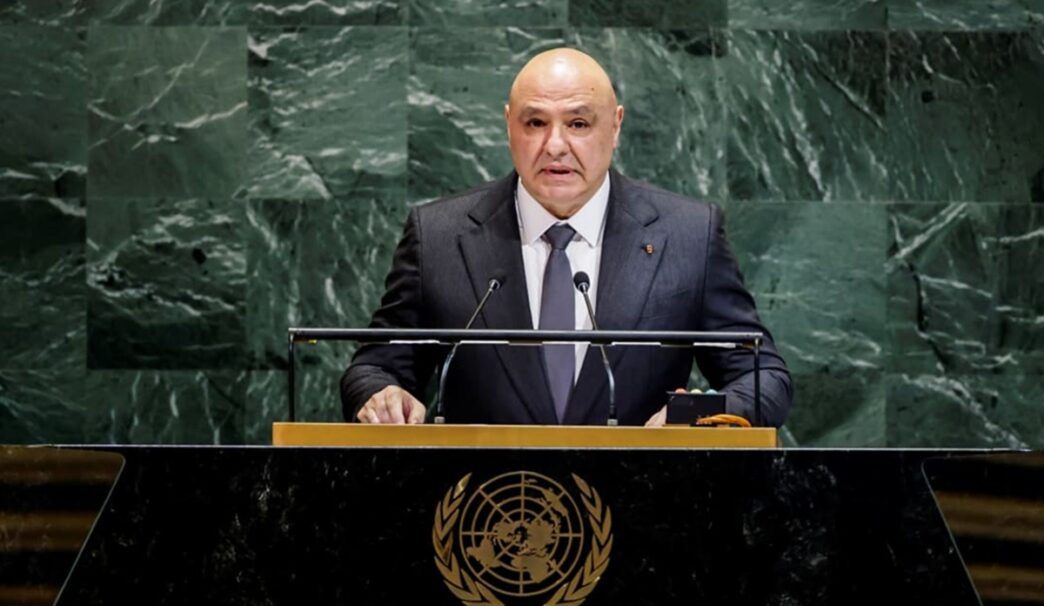
Lebanon’s President Joseph Aoun and Prime Minister Nawaf Salam met on Saturday to discuss preparations for expected negotiations with Israel, the first direct talks between the two sides in decades, as displaced residents began returning home following a ceasefire in the Israel-Hezbollah war.
In a statement, the presidency said both leaders reviewed developments since the truce took effect, examined efforts to strengthen the ceasefire, and discussed Lebanon’s readiness for the anticipated negotiations with Israel.
The meeting followed a national address by Aoun on Friday in which he said Lebanon was entering a new phase aimed at reaching permanent agreements with Israel.
He also rejected criticism that direct talks would amount to a concession, in what observers saw as a response to Hezbollah’s objections.
A 10-day ceasefire intended to halt more than six weeks of fighting between Hezbollah and Israel came into force at midnight on Thursday after being announced by United States President Donald Trump.
Since Hezbollah entered the broader regional conflict last month, more than 2,300 people have been killed in Israeli strikes and over one million displaced, according to official figures.
Iran-backed Hezbollah and its allies have strongly opposed negotiations with Israel and have also rejected several recent government decisions, including Beirut’s commitment to disarm the group in 2025.
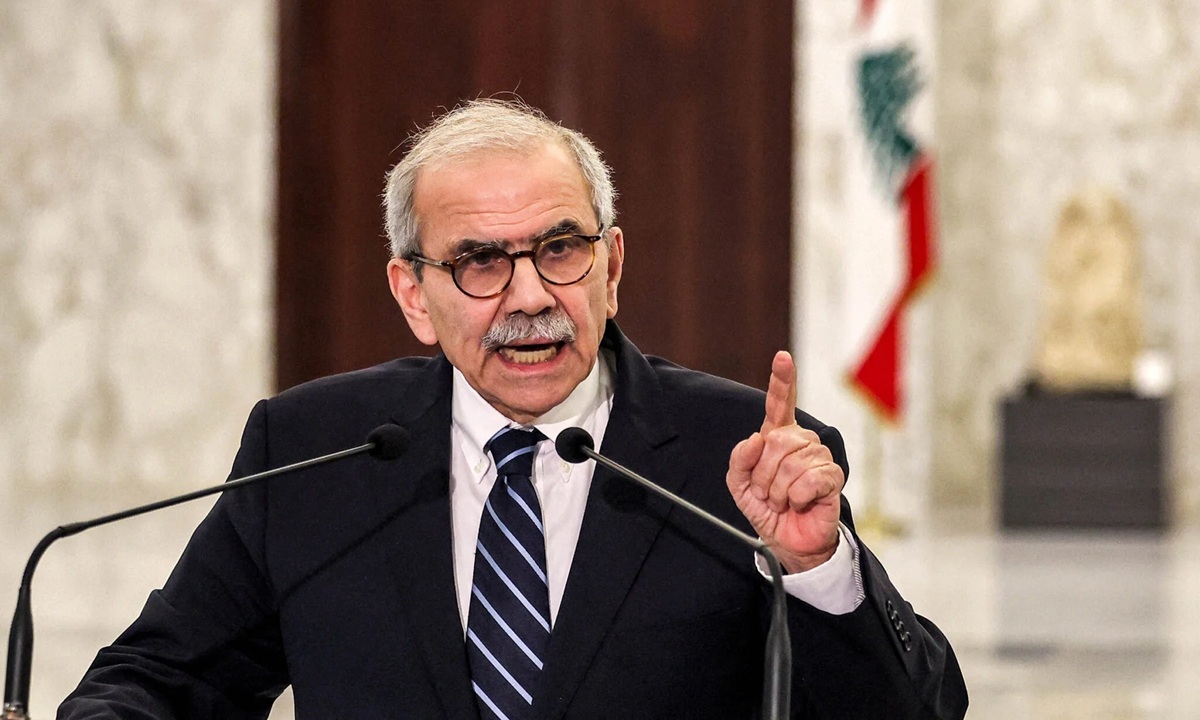
Speaking at a press conference in Beirut’s southern suburbs, senior Hezbollah official Mahmud Qamati criticised the president, accusing him of failing to respect Lebanon and questioning what could be gained from engagement with Israel and the United States.
As the ceasefire entered its second day, roads leading south were crowded with returning residents, while the Lebanese military and local authorities worked to clear routes damaged or blocked during the conflict.
In Beirut’s heavily bombed southern suburbs, some families briefly returned to inspect homes and collect belongings, though many areas remained largely deserted as residents weighed security concerns.
One resident, Samah Hajoul, said her family was still sheltering in a tent on Beirut’s seafront and did not yet feel safe enough to return permanently. She said she only went back home, which suffered minor damage, to bathe her children and collect summer clothing.
Hajoul said many other displaced families were also waiting to see whether the ceasefire would hold before deciding to return.
During the meeting, Salam said he hoped displaced residents would soon be able to return safely, adding that the government was working to repair bridges, reopen roads and provide essential supplies in areas where resettlement would be possible.