Trending
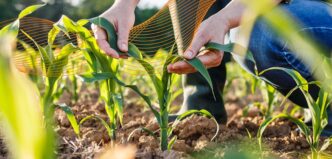
An agricultural attaché to the Brazilian Embassy in Nigeria, Mr Frederique Abreu, has outlined how Brazil transformed itself from a food-importing nation into the world’s largest exporter of animal protein, saying lessons from that journey could help countries such as Nigeria strengthen food production.
Abreu made the remarks during an interview with News Central correspondent Dashen Usman in Brazil, where he explained that the country’s agricultural rise was driven by decades of investment in tropical farming and livestock development.
According to him, Brazil once depended heavily on imported food but was forced to build domestic capacity because it lacked the oil revenues needed to finance large-scale imports.
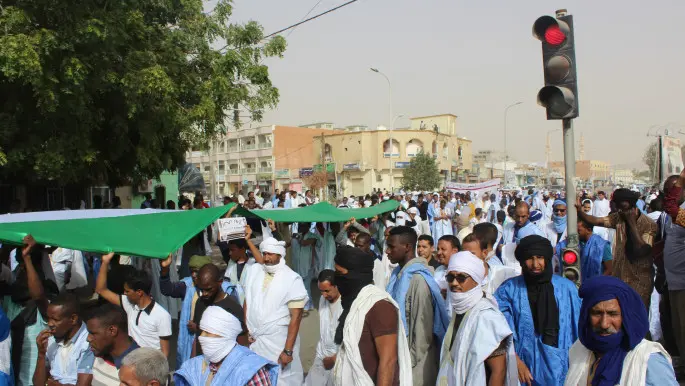
Read More : Mauritania Students Protest Transport Fare Hike
He said, “We are trying to show all these people that are here together with us, how Brazil moved from an importer to the biggest exporter of animal protein in the world.”
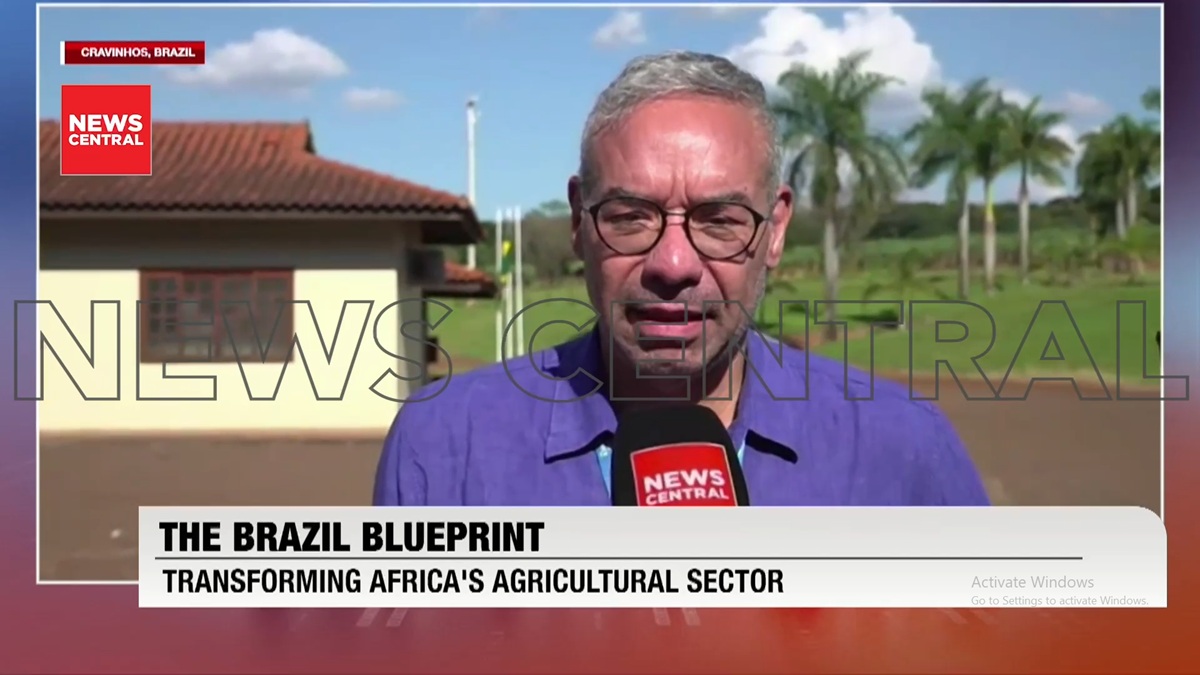
Abreu added, “Forty years ago, we imported all the food, almost all the food that we consume in Brazil and unlike Nigeria, we didn’t have oil to pay our bills, so we needed to develop what we call today agriculture, tropical agriculture and the livestock, and it’s all about adaptation.”
He noted that Brazil shares similar climatic conditions with Nigeria, making many of the technologies and methods developed over the years relevant to the Nigerian environment.
He said, “So, we have here the same weather that you have in Nigeria, and we spent like 40 years developing this technology that can be used in Nigeria.”
The diplomat stressed that African countries do not need to start from scratch, but should instead learn from proven systems while tailoring them to local realities.
“You don’t need to reinvent the wheel,” he said. “This is just to take advantage of a lesson that we already learned and adapt it to other countries in Africa.”
Abreu, however, cautioned against simply copying Brazil’s model without adjustments.
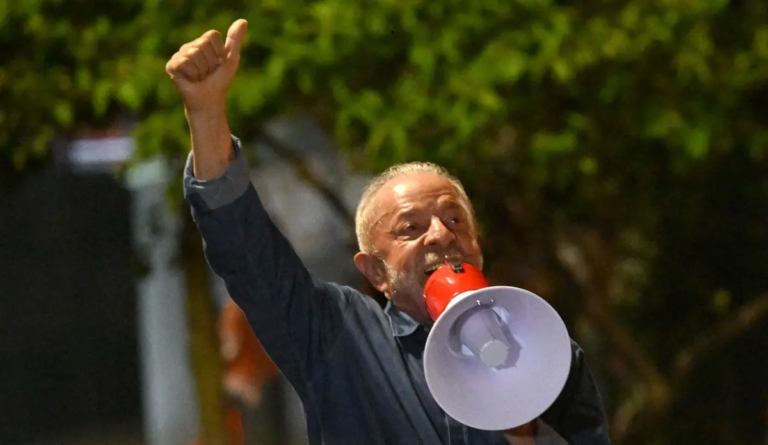
Read More : Brazil’s Lula Turns 81, Vows 24-Hour Workday
He explained, “But it’s worth to mention that it’s not a copy-paste. Every country, most similar conditions that you have, you need to take into account that you have specificities, so this adaptation is very important.”
He added that what Brazil is offering are foundational ideas and tested methods that can then be customised by individual countries.
“What we are trying to show here are the bases. With the bases, it’s possible to make the adaptation for each specificity of each country,” he said.