Trending
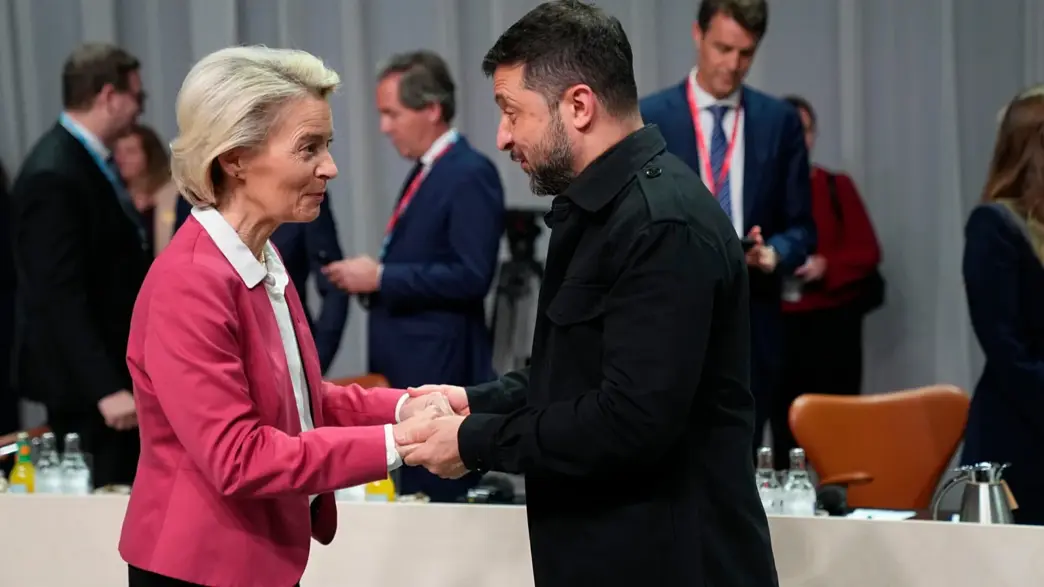
The European Union (EU) reached a definitive agreement on Thursday to provide Ukraine with a €90 billion ($105 billion) loan, alongside a comprehensive new package of sanctions against Russia.
The breakthrough occurred after Hungary and Slovakia withdrew their long-standing objections following the restoration of oil flows through the Druzhba pipeline.
EU foreign policy chief Kaja Kallas confirmed the end of the deadlock, noting that the funds will provide a critical lifeline to Kyiv’s budget as it enters its fourth year of defending against the Russian invasion.
Read More : Mauritania Students Protest Transport Fare Hike
This infusion of financial support comes at a pivotal moment, as United States aid has largely stalled, and international sanctions on Russian oil were previously eased due to the conflict in Iran.
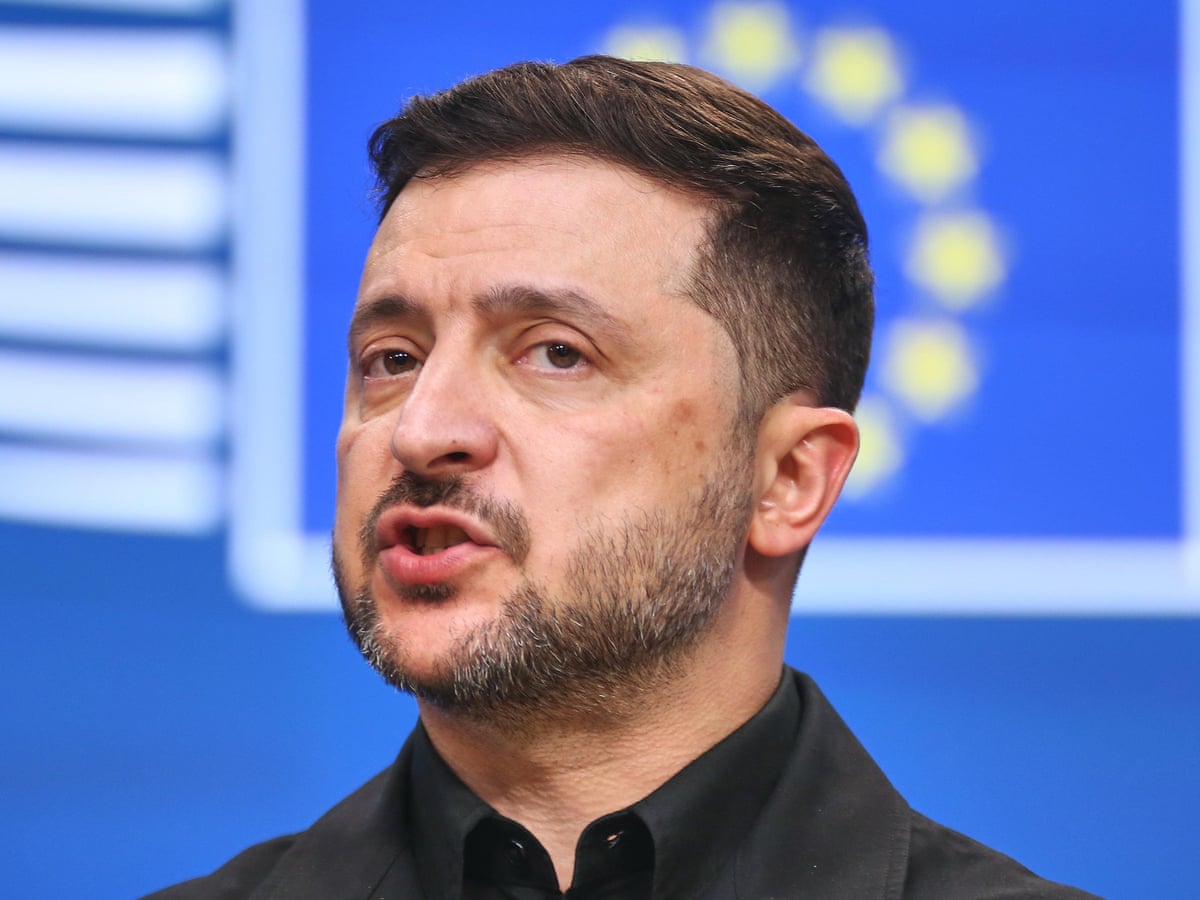
Outgoing Hungarian Prime Minister Viktor Orbán had reportedly utilised the loan as political leverage to ensure the repair of vital energy infrastructure.
With the obstacles removed, Brussels expects to begin dispersing the much-needed funds in the coming months to help stabilise Ukraine’s war-strained economy.
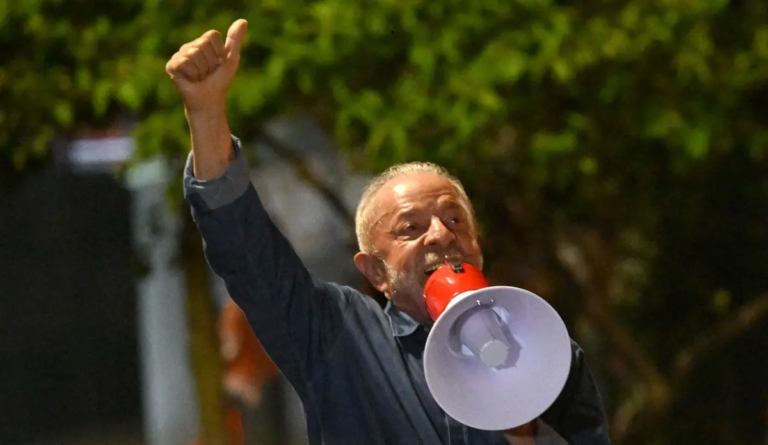
Read More : Brazil’s Lula Turns 81, Vows 24-Hour Workday
Simultaneously, the EU’s 27 member states approved the 20th round of economic sanctions against Moscow, targeting the Kremlin’s banking, trade, and energy sectors.
Key measures include a crackdown on the “shadow fleet” of tankers used to bypass export limits and new restrictions on Russian cryptocurrency traders.
To further prevent sanctions evasion, the bloc also halted the sale of specific machinery to Kyrgyzstan, marking a strategic shift in how the EU monitors trade with third-party nations to curb Russian military support.