Trending

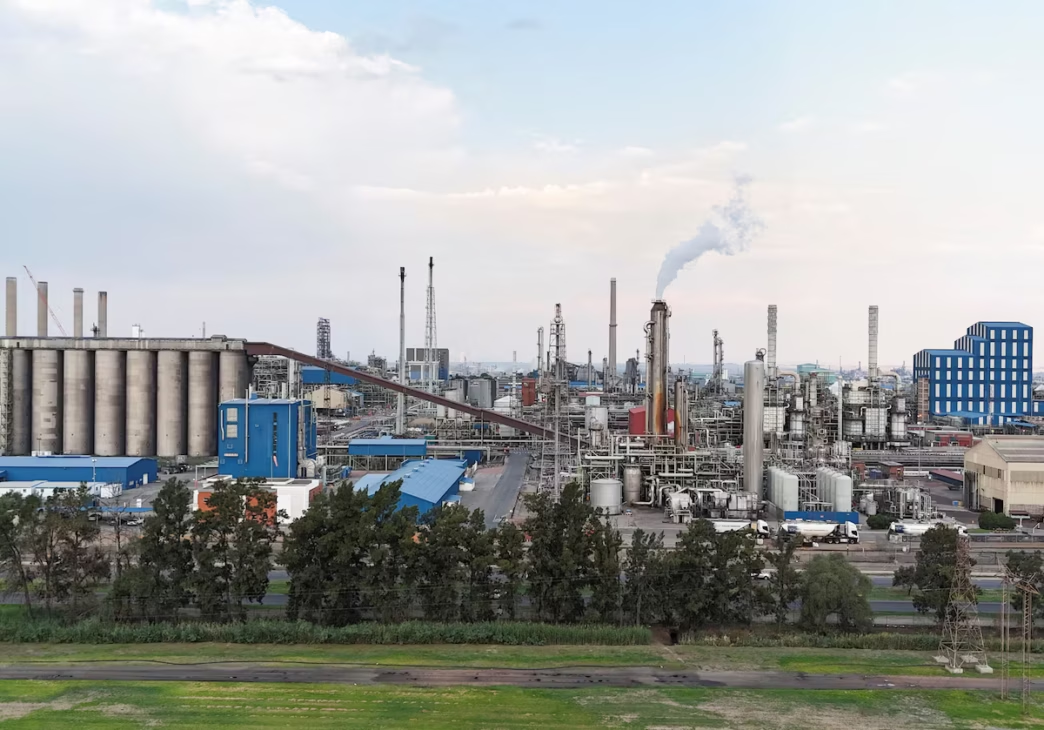
South African energy giant Sasol has secured critical sustainability certification for its sustainable aviation fuel (SAF), clearing the path for future exports to the European Union (EU).
The ISCC Plus certification, granted by Germany’s TUV SUD agency, applies to fuel produced at Sasol’s Natref refinery using vegetable and used cooking oils.
This development allows Sasol to process local raw materials within South Africa rather than exporting them to Europe for refining, a move that aligns with the EU’s escalating mandates for cleaner aviation energy.
Read More : Three Held in South Africa Killings Probe
The certification comes at a vital time for the global aviation industry, which is currently grappling with severe jet fuel shortages and soaring costs due to the ongoing conflict in Iran.

As the EU targets a 6% SAF blending ratio by 2030, Sasol plans to scale up production significantly.
The Natref facility is aiming for up to 100 million litres annually by the end of the decade, with the potential to double that volume if production is expanded to the company’s Secunda complex.
Read More : The Road Home Should Not Be A Death Sentence
While Sasol remains a major industrial emitter, it is diversifying its green portfolio through partnerships with Anglo American and De Beers to develop high-yield oil crops for feedstock.
Industry experts view this certification as a crucial first step in testing South Africa’s competitiveness in the global market.
With major airlines already operating in the region, South Africa is well-positioned to become a key hub for sustainable fuel, provided it can navigate the rigorous tracking and certification standards required by European regulators.