Trending
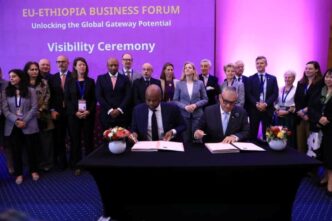
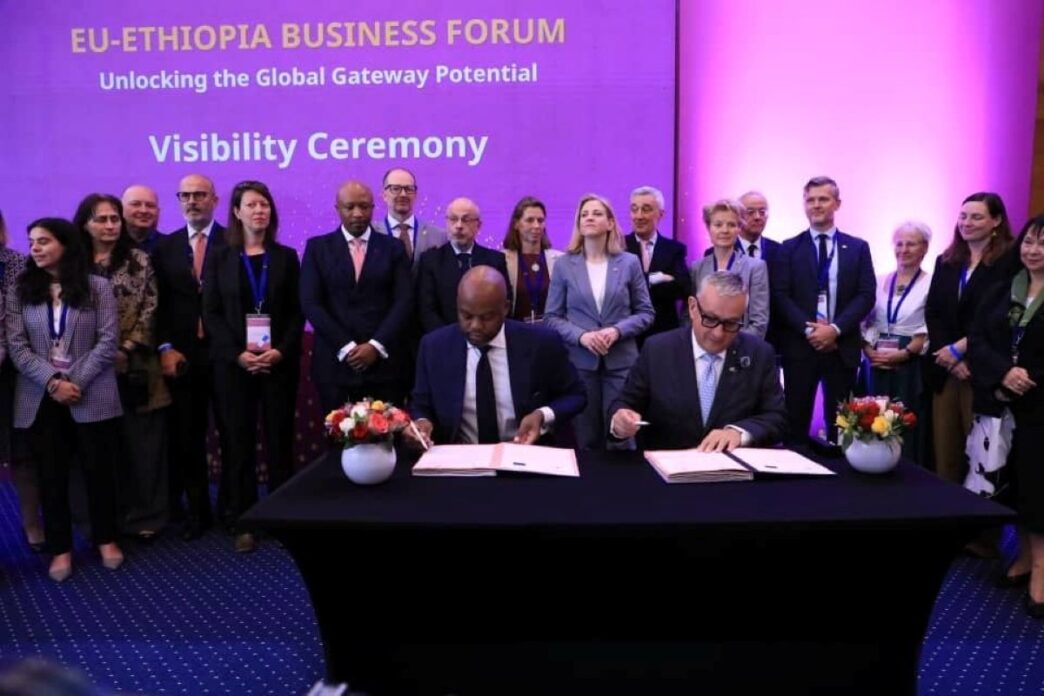
The European Union (EU) has announced the resumption of its budgetary aid to Ethiopia, which had been suspended in 2020 due to the outbreak of a brutal civil war.
This decision marks a significant shift in the EU’s engagement with the East African nation, which had been embroiled in a two-year conflict between government forces and rebels from the northern Tigray region. The war, which claimed an estimated 600,000 lives, led to the suspension of the EU’s annual financial support to Ethiopia in December 2020.
According to a statement from the European Commission, the EU will unlock over 140 million euros (approximately $165 million) to advance key priorities in Ethiopia, including energy development, connectivity, healthcare, and business climate reforms. The EU’s decision to reinstate its budgetary aid is a direct result of Ethiopia’s progress in implementing critical economic and governance reforms, according to the European Commission.
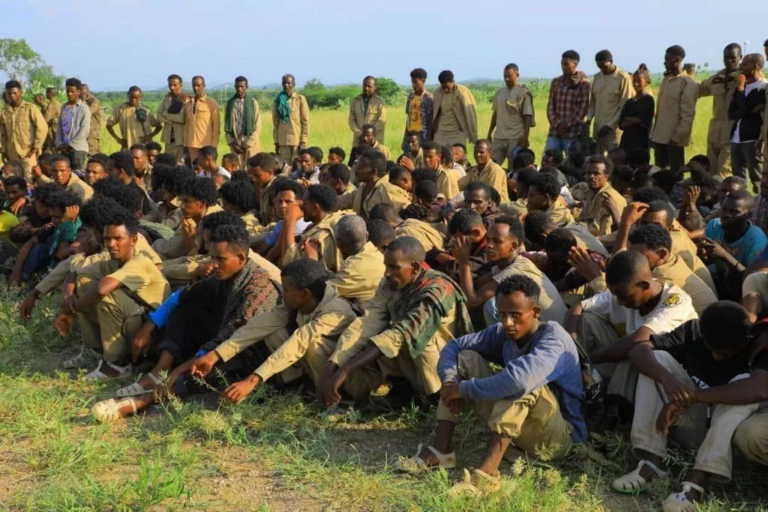
Read More : Ethiopia Says 300 Tigray Fighters Surrender
The announcement came during a visit to Ethiopia by Jozef Sikela, the EU Commissioner for International Partnerships. Sikela’s visit also underscored the EU’s broader commitment to the region, with a notable increase in support from the previous 90 million euros to the new allocation. The EU has also signed loans totalling 130 million euros with the European Investment Bank to boost Ethiopia’s agricultural sector.
In addition to the budgetary aid, Ethiopia entered a three-year agreement with the EU in October 2023, providing 650 million euros for various programs in agriculture, digital infrastructure, and peacebuilding efforts, which will run from 2024 to 2027. These efforts align with Ethiopia’s ambitious growth projections for 2024, with the country expected to grow at an impressive 9.2 per cent, one of the highest globally, according to the International Monetary Fund.
Despite these strides, Ethiopia continues to face challenges. Approximately 40 per cent of its population still lives in poverty, and the country remains grappling with foreign currency shortages exacerbated by rising global oil prices, partly linked to the ongoing conflicts in the Middle East.
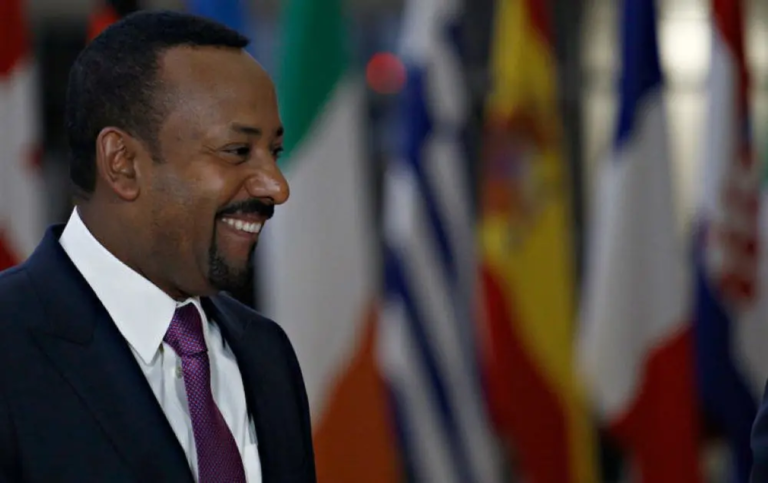
Prime Minister Abiy Ahmed, who has taken tentative steps toward liberalising Ethiopia’s economy, faces the difficult task of balancing economic reform with the reality of ongoing armed rebellions across several regions of the country.
The EU’s renewed support signals a hopeful step toward Ethiopia’s economic recovery, though challenges persist, and the path ahead remains uncertain as the country navigates the complexities of its post-war reconstruction.