Trending

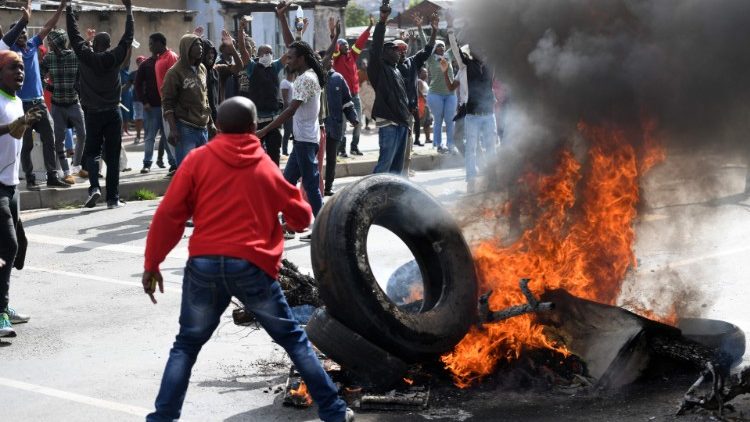
Informal settlements on the edges of South Africa often smell of woodsmoke, but lately the air has taken on the acrid tang of burnt rubber.
Xenophobic violence in South Africa is not a new phenomenon but a recurring fever that flares up during times of economic hardship.
The Rainbow Nation may have been founded on the principles of pan-African solidarity. Still, for many migrants, the reality is a precarious existence marked by the ever-present threat of displacement and the volatile temperaments of the communities they call home.
Read More : Man City Charges: Judgment Day Approaches
The most violent flashpoints are the best way to understand the historical gravity of this crisis.
In May 2008, a wave of attacks started in Alexandra and spread across seven provinces, leaving more than 60 dead and displacing an estimated 100,000 residents.
The pattern repeated in April 2015, when riots in Durban and Johannesburg sent thousands to temporary camps, and again in September 2019, when unrest in the Johannesburg CBD left 12 dead and sparked a diplomatic crisis with neighbouring countries. These dates mark grim milestones in a pattern of recurring instability.
The fuel for this fire is mostly in the country’s staggering socio-economic figures. Competition for limited resources is fierce, with the national unemployment rate stubbornly hovering around 32.9% and youth unemployment often soaring past 60%.
While there are around 3.9 million migrants in South Africa, making up only about 6.5% of the total population, they are often scapegoated for the state’s failure to provide basic services.
In this case, the foreigner becomes an easy target for the frustrations of a population tired of poverty and inequality.
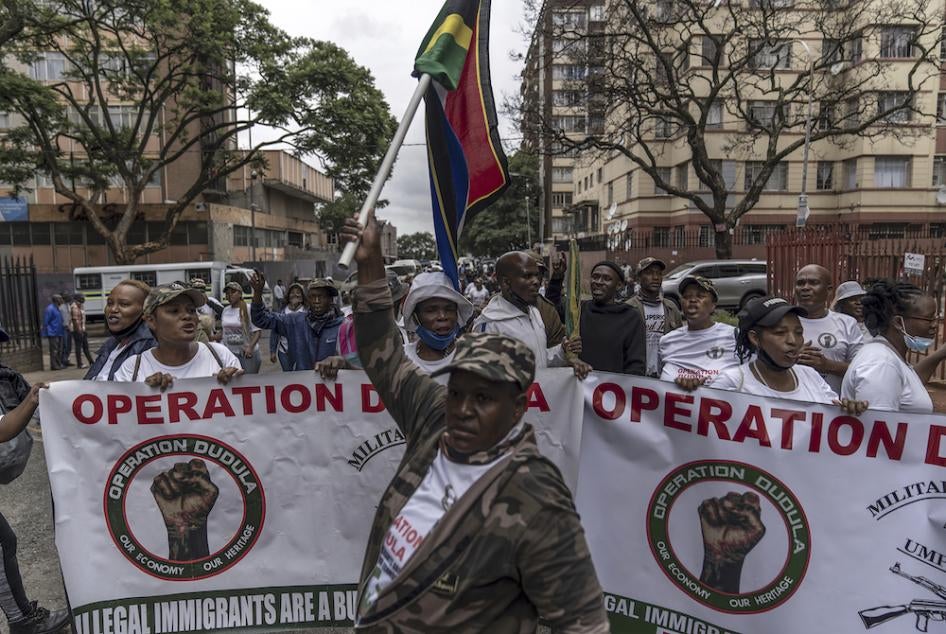
In the 2020s, the nature of the violence has evolved from spontaneous neighbourhood brawls to more structured political movements.
The emergence of Operation Dudula in 2021 marked a shift toward organised civilian-led enforcement, where activists conduct sweeps of local businesses to identify undocumented workers.
The institutionalisation of the South Africa First sentiment has created a more hostile environment.
The country is caught in a painful dichotomy as the government tries to balance border security with human rights, trying to heal the wounds of its own history, while inadvertently inflicting new wounds on those seeking a better life within its borders.