Trending
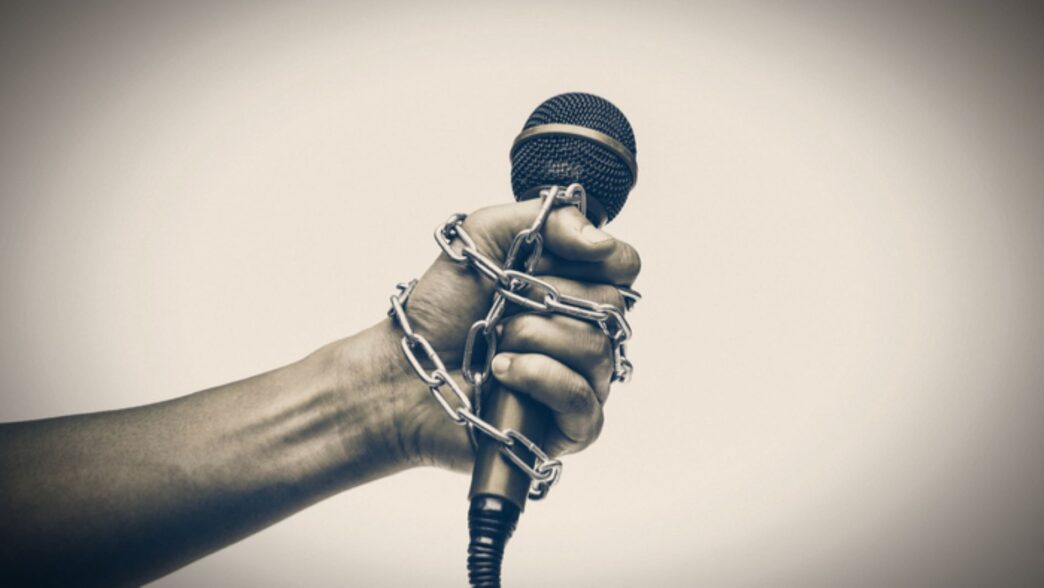
Across the African continent, citizens broadly want the press to keep power in check, but their confidence that governments are actually allowing it is another matter entirely.
A sweeping new report from Afrobarometer, based on 45,600 face-to-face interviews conducted across 38 countries in 2024 and 2025, finds a strong public appetite for media freedom alongside deep and growing suspicion that it is being quietly eroded.
The numbers tell a story of conviction tempered by doubt. Nearly three-quarters of respondents back the media’s role in holding governments accountable, a majority position in every single country surveyed.
Read More : Surging Ebola Outbreak Overwhelms Congo
Support is especially robust in Mauritius (86%), Nigeria (83%), Uganda and Ghana (both 82%), Congo-Brazzaville and Chad (both 81%). Even in countries where that support is comparatively thin, such as Angola (56%) and São Tomé and Príncipe (54%), citizens who favour silence on government misconduct remain a minority.
Press freedom itself commands the backing of nearly two-thirds of Africans (65%), with majorities recorded in all but two of the surveyed nations. Tanzania sits at 49%, while Mali trails far behind at just 27%, outliers in a landscape where countries like Mauritius (86%), Seychelles (85%), and Botswana (76%) show overwhelming support for an uncensored press.
Yet when citizens are asked whether their media is actually free, confidence falters. Only 53% believe their national press operates without censorship or government interference, while 43% believe it does not. Perceptions vary wildly; 81% in Tanzania feel their media is free, compared to a mere 16% in Congo-Brazzaville.

More troubling still is the trend line. Across 30 countries surveyed in both 2019/2021 and 2024/2025, the share of people who perceive their media as free has dropped four percentage points.
Read More : News Central Makes African TV History at UNGA 81
Guinea recorded the steepest decline at 34 points, followed by Lesotho and Nigeria at 22 points each, and Botswana at 20. There are bright spots, however: Liberia recorded a remarkable 58-point surge in perceived press freedom over the same period, with Gabon and Zambia also registering significant gains, but the continental drift is cautionary.
Perhaps most intriguing is what the data reveals about complacency. Respondents who believe their media is already largely free are actually less likely to support press freedom than those who believe it is under threat; 63% versus 69%. Freedom, it seems, is most fiercely valued by those who feel they are losing it.
Released to coincide with World Press Freedom Day, the Afrobarometer findings serve as both affirmation and warning: African publics want a press that speaks truth to power, but their trust in the conditions that make that possible is quietly slipping.