Trending
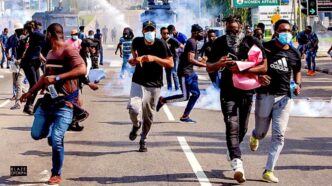
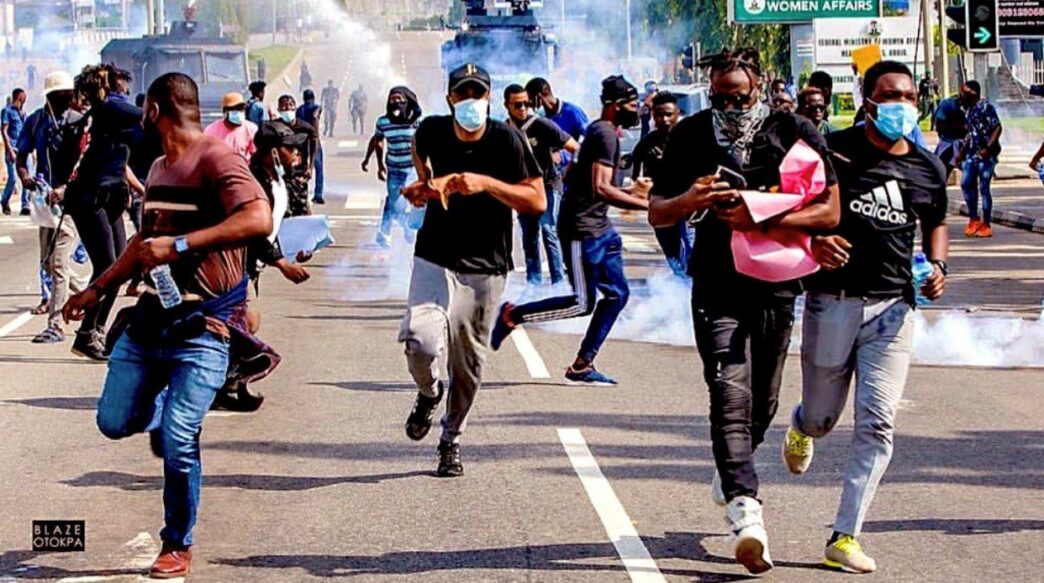
The fatal shooting of Mr Mene Ogidi in Effurun, Delta State, on April 26, 2026, serves as a grim reminder that the ghost of police brutality continues to haunt Nigeria.
While the Inspector-General of Police, Olatunji Rilwan Disu, moved swiftly, ordering the dismissal and prosecution of ASP Nuhu Usman by April 29, 2026, the incident underscores a systemic failure.
Findings established that the officer acted in gross violation of Force Order 237, turning a tool of protection into a weapon of extrajudicial killing.
Read More : Surging Ebola Outbreak Overwhelms Congo
FORCE LEADERSHIP ORDERS DISMISSAL,PROSECUTION OF OFFICERS INVOLVED IN EFFURUN SHOOTING
The Nigeria Police Force hereby provides an update on the disciplinary actions taken following the fatal shooting incident of 26th April 2026 in Effurun, Delta State, which resulted in the… pic.twitter.com/34urSxfXCV
— Nigeria Police Force (@PoliceNG) April 29, 2026
This latest tragedy is a continuation of a dark history of state-sanctioned violence.
For many, this evokes the 2020 #EndSARS protests, which erupted after decades of systemic torture and killings, including the infamous 2005 Apo Six incident, where six young traders were gunned down in Abuja.

Despite various reform panels, the statistics remain bleak; human rights organisations have frequently noted that hundreds of Nigerians fall victim to extrajudicial killings or accidental discharges annually, with a 2023 report suggesting that accountability is reached in fewer than 10% of reported abuse cases.
The IGP’s zero-tolerance stance and the immediate withdrawal of the culpable officers to Force Headquarters in Abuja are necessary steps toward institutional accountability.
However, the cost of this persistent brutality is the total erosion of public trust.
When a uniform is seen as a licence to kill, the social contract is broken. True justice for the family of Mr Ogidi requires more than just reactive dismissals; it demands a fundamental overhaul of training and independent oversight that operate outside the Force’s internal influence.
Nigeria cannot afford to remain in this cycle of violence and apology.
The IGP has acknowledged the pain of the Ogidi family and promised that justice will be seen to be served.
Yet, until these disciplinary actions become the standard for every rank-and-file officer rather than a response to national outrage, the streets will remain unsafe.
The government must move beyond rhetoric to implement deep-rooted changes, or the cry for justice will eventually overwhelm the silence of the state.