Trending

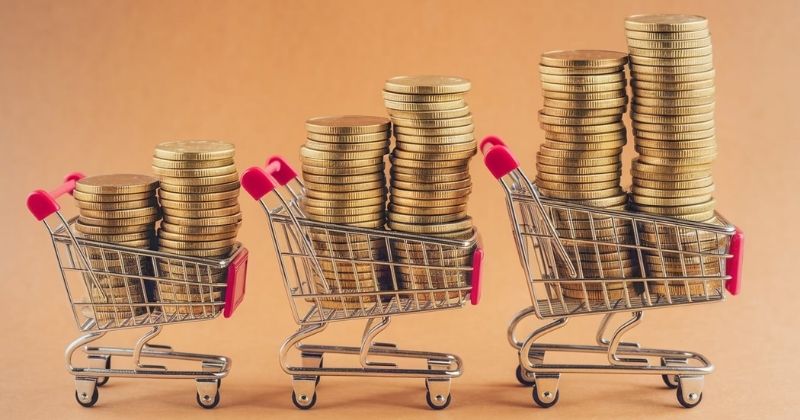
The cost of living remained high across Nigeria in the first quarter of 2026, with Bayelsa, Kogi, and Benue recording the highest inflation rates among all states, according to the National Bureau of Statistics (NBS).
The Consumer Price Index rose to 130.0 in February 2026, reflecting a 2.6-point increase from 127.4 in January, the NBS reported. In March, the index climbed further to 135.4.
Headline inflation fluctuated between 15.06 percent and 15.38 percent during the first quarter, but several states experienced price increases far above the national average.
Read More : Abia Arrests 86 Over Sanitation Violations
Here are the costliest states to live in Nigeria, according to the NBS reports for January, February, and March 2026.
1. Bayelsa
Bayelsa recorded the highest year-on-year headline inflation in March 2026 at 27.37 percent, according to the NBS report. The state also recorded the highest year-on-year food inflation at 33.35 percent.
“The All-Items inflation rate on a Year-on-Year basis was highest in Bayelsa (27.37%), Sokoto (26.03%), and Bauchi (23.67%),” the March NBS report stated.
The report also noted that “Food inflation on a Year-on-Year basis was highest in Bayelsa (33.35%), Sokoto (28.02%), and Adamawa (21.67%).”
In February, Bayelsa recorded the highest month-on-month food inflation at 8.81 percent.
2. Sokoto
Sokoto recorded the second highest year-on-year headline inflation in March at 26.03 percent, the report showed. The state also recorded the second highest year-on-year food inflation at 28.02 percent.
On a month-on-month basis, Sokoto recorded the highest food inflation increase in March at 11.78 percent.
3. Kogi
Kogi recorded the highest year-on-year headline inflation in February 2026 at 23.57 percent, according to the NBS report. In January, the state recorded the second highest at 20.98 percent.
“The All-Items inflation rate on a Year-on-Year basis was highest in Kogi (23.57%), Benue (22.85%), and Anambra (22.09%),” the February report stated.
For food inflation, Kogi also topped the rankings in February at 26.91 percent. In January, Kogi recorded the highest year-on-year food inflation at 19.84 percent.
“Food inflation on a Year-on-Year basis was highest in Kogi (26.91%), Adamawa (23.12%), and Benue (21.89%),” the February report stated.
4. Benue
Benue recorded the highest year-on-year headline inflation in January 2026 at 22.48 percent, according to the NBS report. In February, the state recorded the second highest at 22.85 percent.
“The All-Items inflation rate on a Year-on-Year basis was highest in Benue (22.48%), Kogi (20.98%), and Abuja (19.25%),” the January report stated.
Benue recorded the third highest year-on-year food inflation in February 2026 at 21.89 percent, according to the NBS report. In January, Benue recorded the second highest at 18.38 percent.
5. Bauchi, Anambra, Abuja
Bauchi recorded the third highest year-on-year headline inflation in March at 23.67 percent, according to the report. On a month-on-month basis, the state recorded an inflation rate of 9.37 percent, the second highest in Nigeria for that month.
“On a Month-on-Month basis… March 2026 recorded the highest increases in Zamfara (10.77%), Bauchi (9.37%), and Sokoto (9.05%),” the March report noted.
Anambra recorded the third highest year-on-year headline inflation in February at 22.09 percent, while the Federal Capital Territory recorded the third highest in January at 19.25 percent.
6. Adamawa (Food Inflation)
While not among the top for overall inflation, Adamawa consistently ranked among the highest for food inflation. NBS report for January states that food inflation on a year-on-year basis was “highest in Kogi (19.84%), Benue (18.38%), and Adamawa (17.29%).”
Read More : Gbajabiamila Denies PFIPC Allegations
In February, the state recorded the second highest year-on-year food inflation at 23.12 percent. In March, it recorded the third highest at 21.67 percent.
“Food inflation on a Year-on-Year basis was highest in Kogi (26.91%), Adamawa (23.12%), and Benue (21.89%),” according to the NBS report for February.
Meanwhile, the March report states that food inflation was “highest in Bayelsa (33.35%), Sokoto (28.02%), and Adamawa (21.67%).”