Trending
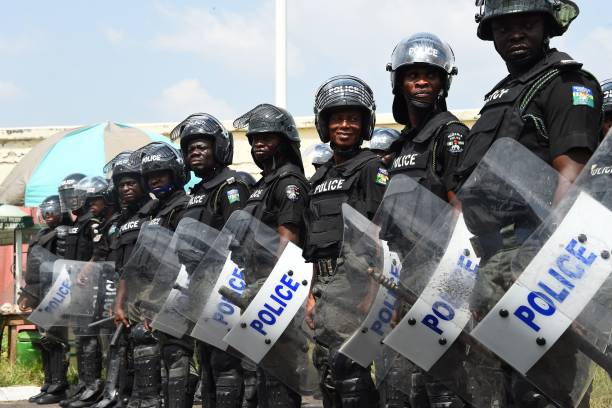
A lecturer, Luka Panpe, has blamed weak security response, politics, and ethnic divisions for the prolonged violence in Plateau State.
Panpe, a lecturer at Plateau State Polytechnic, Barkin Ladi, spoke during the NewsCentral TV Town Hall on Thursday, questioning why security agencies that have handled difficult operations abroad are struggling to control violence in Plateau State.
“We’ve had decorated Generals and experienced security officers. How were conflicts handled in places like Sudan and Mali, yet we are still struggling with attacks here?” he said.
Read More : Obi Queries Tinubu’s UNGA Absence, Hails Mahama
The lecturer dismissed claims that difficult territory is the major reason armed groups remain active in some communities. He stated;
“It is not about difficult terrain; it is about facing reality and responding aggressively against the aggressors.”
He argued that security agencies have enough intelligence about attacks before they happen, but often fail to respond quickly.
“It is not lack of intelligence. It is the failure of response that has fuelled these issues,” he said.
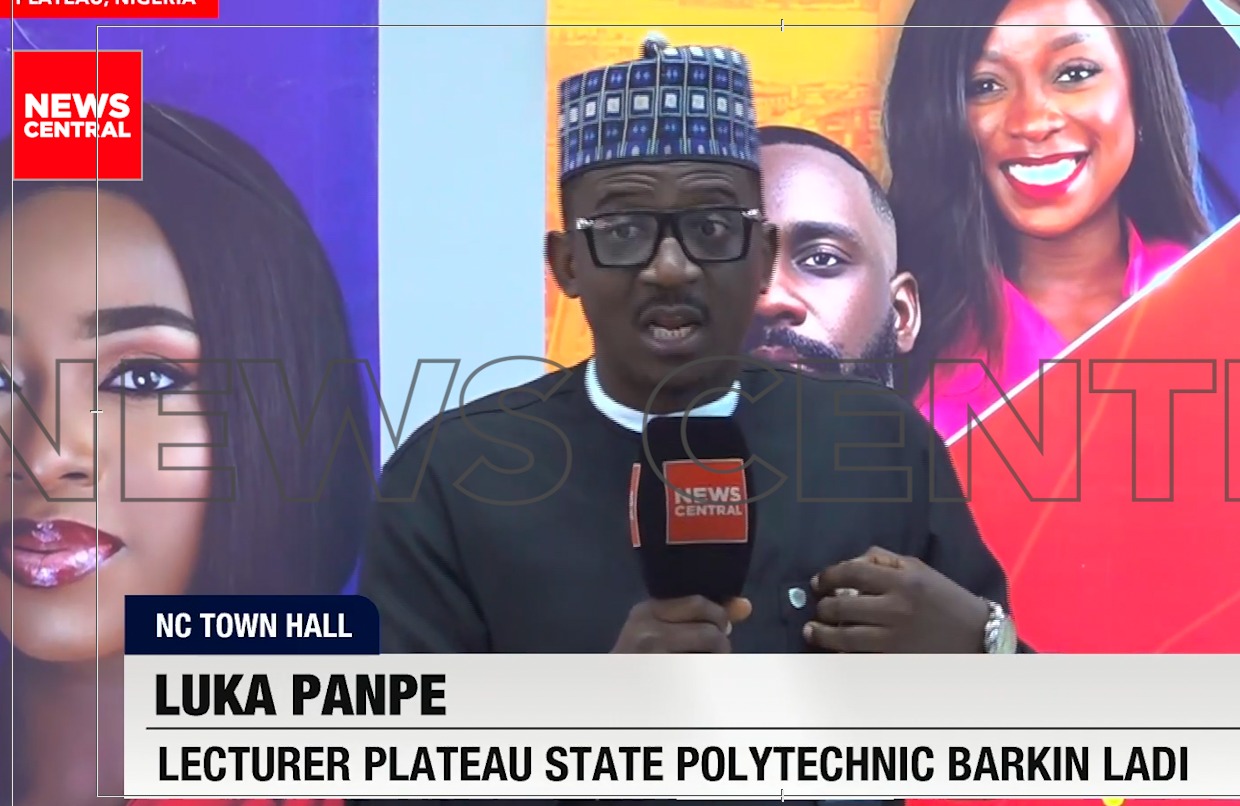
Furthermore, Panpe accused political leaders of avoiding difficult conversations about the violence. He said;
“Everybody wants to be politically correct. We don’t tell ourselves the truth about some of these issues.”
He warned that ethnic divisions among communities have worsened the crisis, saying groups have failed to unite against a common threat.
“Can we identify the common enemy among us?. Ethnic conflicts among us have also fuelled these issues,” he asked.
Read More : Shettima Reiterates Calls For UN Reform
Referencing attacks in areas close to Jos metropolis, including Angwa Rukuba, he questioned why attackers have not been tracked or prosecuted despite incidents happening near government and security formations.
“If attacks happen less than 20 kilometres from Government House, then we must ask serious questions,” he stated.
Panpe called for stronger accountability, improved security operations, and unity among Plateau communities to end the cycle of violence.