Trending
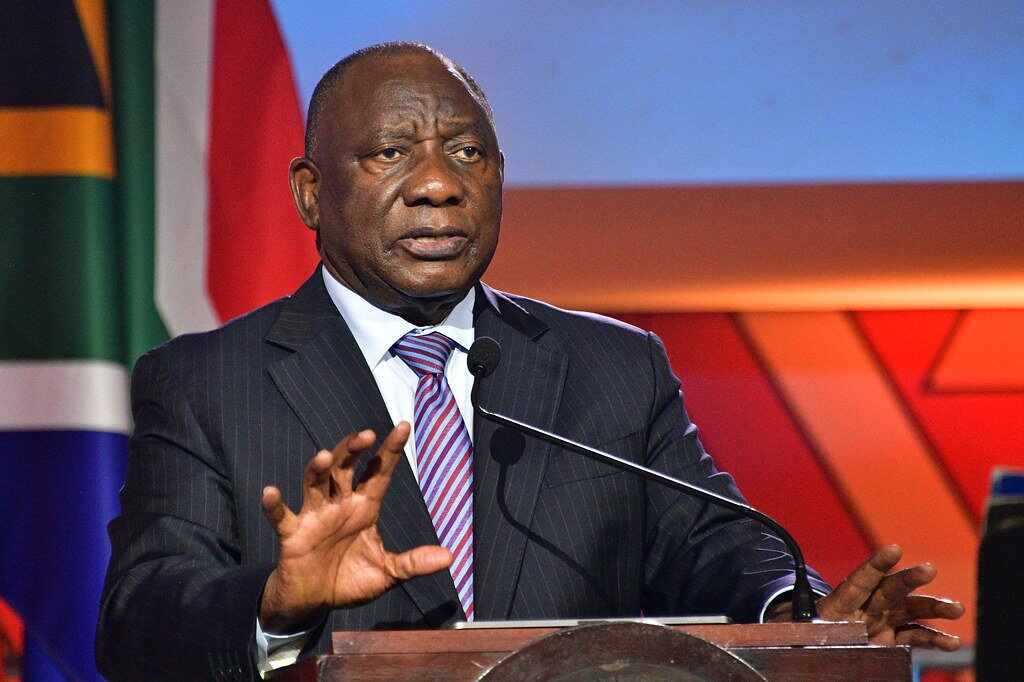
South Africa has entered a period of profound political uncertainty as President Cyril Ramaphosa faces the revival of an impeachment process that threatens his hold on power.
Following a landmark Constitutional Court ruling in May 2026, the “Farmgate” scandal has returned to the forefront of the national agenda.
The focus now shifts to the complex parliamentary mechanics and political alliances that will determine whether the president completes his term or becomes the first head of state in the country’s democratic history to be forcibly removed from office.
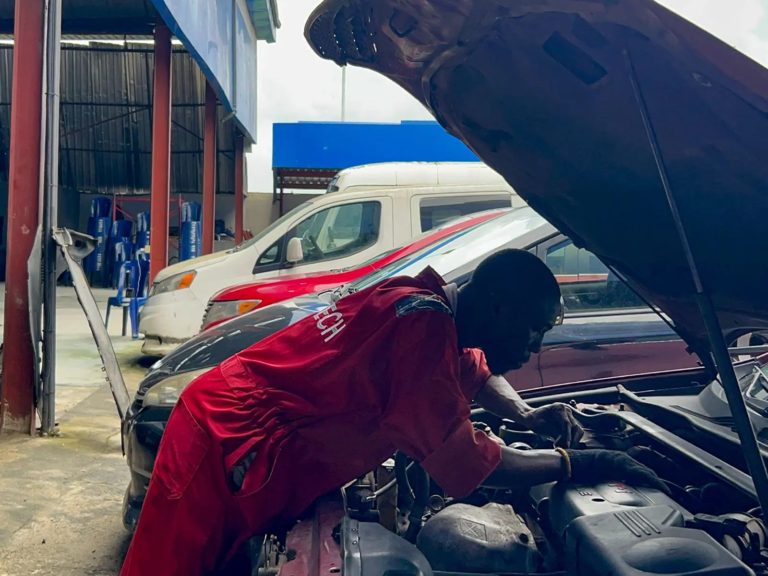
Read More : AI Helps Nigerian Drivers Fix Car Problems
The path toward impeachment is governed by rigorous constitutional protocols.
Now that the Constitutional Court has intervened, the Speaker of the National Assembly must initiate the establishment of a formal impeachment committee.
This body is tasked with conducting a granular investigation into the allegations surrounding the 2020 theft of $580,000 in foreign currency from a sofa at Ramaphosa’s Phala Phala ranch.
The committee will evaluate potential violations of the Constitution and claims of serious misconduct.
If the committee eventually recommends removal, the matter returns to the National Assembly, where a daunting two-thirds majority—267 out of 400 votes—is required to unseat the president.
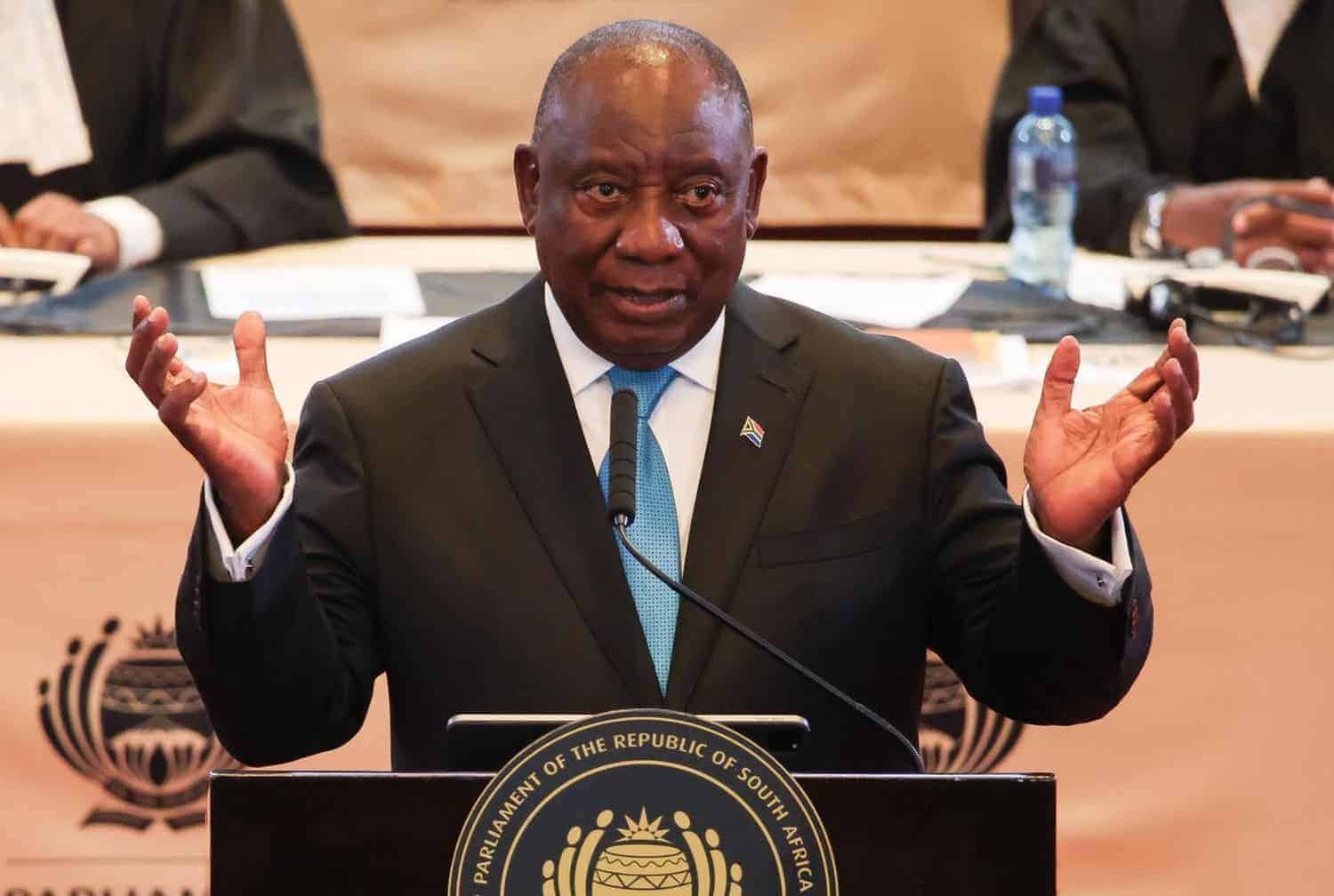
While the procedural gears begin to grind, the immediate battle is one of political arithmetic. Currently, the African National Congress (ANC) holds 159 seats, representing roughly 40 per cent of the legislature.
Under the current government of national unity, Ramaphosa relies heavily on the support of the Democratic Alliance (DA) and smaller coalition partners.
To survive a final impeachment vote, Ramaphosa needs his coalition to remain airtight.
However, the presence of internal ANC factions and the aggressive posturing of opposition parties like the Economic Freedom Fighters (EFF) and uMkhonto weSizwe (MK) suggest that a unified front is far from guaranteed.
Analysts note that even a small rebellion within his own ranks could prove catastrophic.
Adding another layer of complexity is the president’s legal strategy. Ramaphosa has signalled his intent to challenge the original independent panel’s report in court.
While this is a legitimate exercise of his legal rights, it is also a move that could significantly delay the parliamentary timeline.
Perhaps the presidency is trying to buy time to shore up political backing or to wait for the dust to settle over the court’s recent revival of the case by moving the battlefield from the floor of the National Assembly to the courts. But this delay also risks prolonging a sense of national paralysis.
In parallel with the impeachment process, Ramaphosa faces a secondary threat: a motion of no confidence.
Unlike the two-thirds threshold required for impeachment, a no-confidence motion requires only a simple majority of 50 per cent plus one vote.
Parties such as the African Transformation Movement (ATM) have already moved to schedule such a vote.
This “easier” route to removal puts immense pressure on coalition partners like the DA.
If the coalition perceives the president as a liability to national stability or their own electoral prospects, they could theoretically end his presidency much faster than the impeachment committee could complete its work.
Ultimately, the coming months will test the resilience of South Africa’s democratic institutions.
The National Assembly must now balance its oversight duty with the need for executive stability.
For Ramaphosa, the challenge is twofold: he must navigate a high-stakes legal defence while simultaneously managing a fragile coalition.
As the impeachment committee takes shape, the nation remains on edge, watching to see if the man who rose to power on an anti-corruption ticket will be undone by the very mechanisms designed to ensure accountability at the highest level of government.