Trending
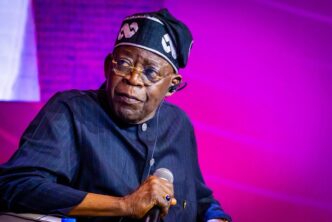
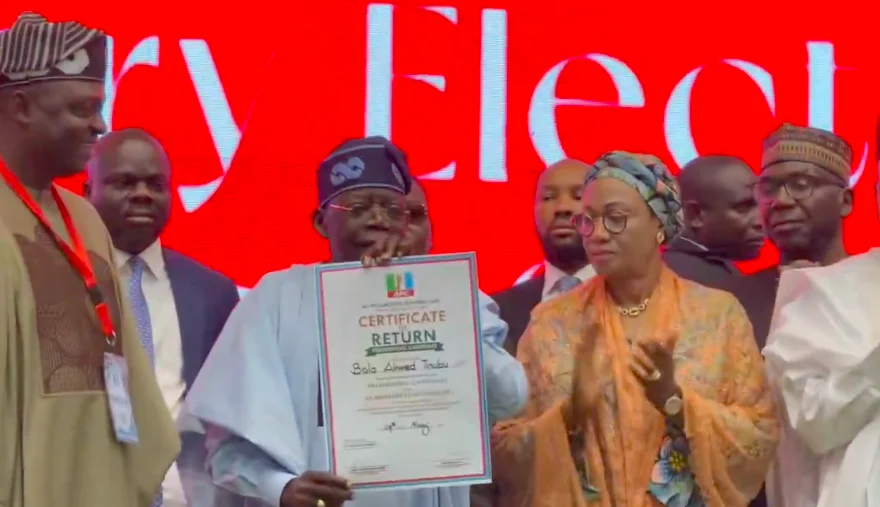
President Bola Tinubu has called for stronger tax compliance in Nigeria, saying the government cannot deliver hospitals, roads, and other public infrastructure without adequate tax revenue.
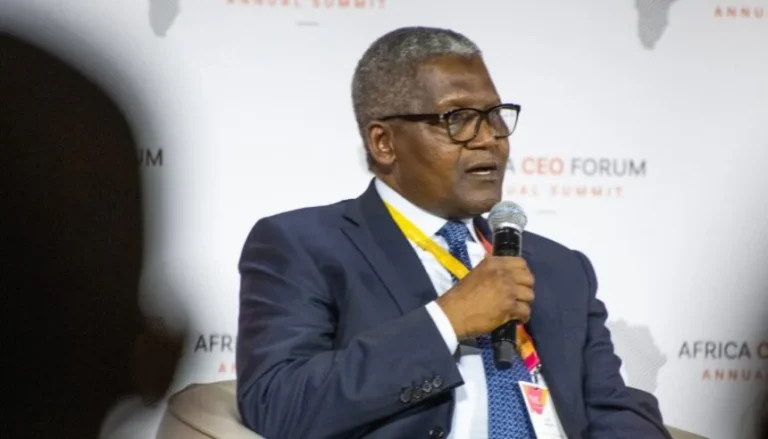
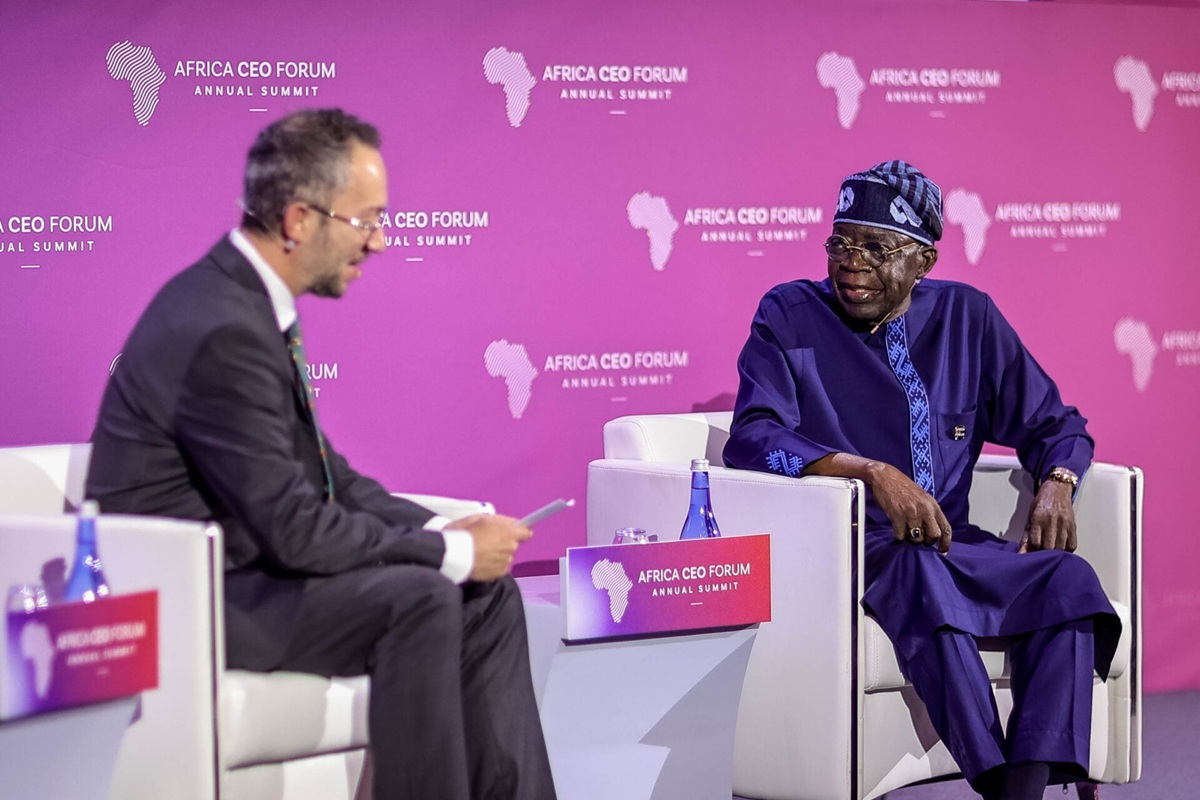
Speaking on Friday at the Africa CEO Forum in Kigali, Rwanda, Tinubu said public expectations for development often conflict with the reluctance to contribute financially through taxation.
He argued that while citizens demand improved services, many resist the costs required to fund them.
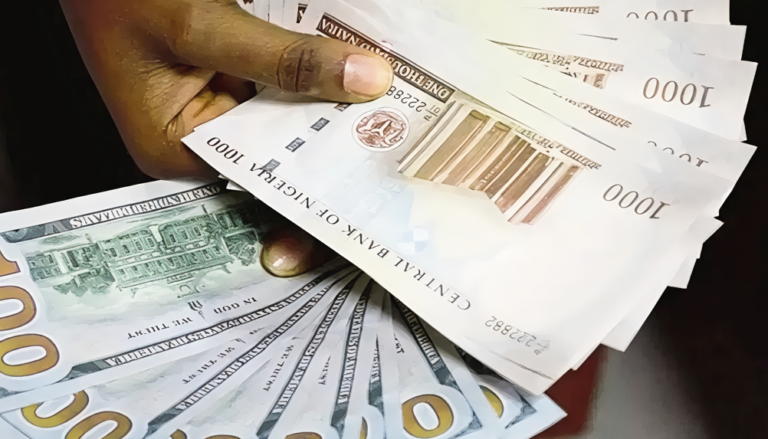
Read More : Naira-Dollar Rate Gap Hits ₦84
He said Nigerians frequently expect better roads and healthcare facilities but are unwilling to accept the trade-offs involved, including taxation and project-related disruptions.
Tinubu maintained that sustainable development depends on citizens contributing to national revenue, stressing that tax compliance is central to governance and citizenship obligations.
“Nobody wants to pay taxes. Taxation is not friendly to the wealthy, middle class, and to the poor,” he said.
“Every human being expects development, but the question they don’t answer is how do you pay for it. You want a good highway, but you don’t want it to go through your land.
“You want good and well-equipped hospital, and you don’t want to pay taxes, how do we care for the vulnerable, and how do you protect the future of the children. How do you even research and develop? The pharmaceutical industry, we remember COVID-19; we remember what happened to the world at large.
“So in the world where you can’t predict what exactly you are doing, you must think from where the source and application of funds should be engineered.
“Tax is a priority. A citizen who pays tax is a citizen, whether corporate or individual. If you are not a taxpayer and not exempted, then you are not a citizen,”he added.
He also defended his administration’s economic reforms, describing them as necessary but difficult decisions needed to stabilise the economy and prevent fiscal crisis.
According to him, Nigeria could no longer sustain subsidy systems and spending patterns that undermine long-term economic health, noting that such arrangements had created distortions and inefficiencies.
He pointed to earlier fiscal challenges, including difficulties by several states in meeting salary obligations, as justification for the reforms.
Tinubu likened the reform process to a painful but necessary transition required to achieve long-term stability.
“It was very necessary to reset, recalibrate and reform the economy. It is a fake life to think you can, in a global economy, continue the subsidy that is wasteful, it is an encouragement for falsification of papers, (and) smuggling,” he said.
“And that is a very critical situation for the country. When you look at the economic problem of the country, and you see that you are almost going bankrupt. Of the 36 states, 27 of them were unable to pay the salaries of the workers. Where is the money?
“You are an oil producer, you are earning, you are giving fuel, you have no refinery that is functional. It is not possible to continue that trend.”
“It is difficult, it is painful, but just like a woman reproduction process, a woman carries the pregnancy, endures the pain of labour and will have a very big smile when you see the live child.”
On public reaction to his policies, the president admitted that he deliberately reduced exposure to public commentary during the early phase of implementation to avoid distractions.
He said the reforms were already beginning to yield results, citing improved stability in the economy, better planning conditions for businesses, and expanded social intervention programmes targeting vulnerable households and students from low-income families.
Read More : Thales to Build Nigeria’s New Telecom Satellite
“The philosophy I came with in governance is believing that the hallmark of a transformative leader is the ability to take decisions, do it at the time it supposed to be done on behalf of the people,” the president said.
“If you miss that curve, you are not on the path to success. That’s what I believe. First term, took hard decisions, regardless of pain, I stopped reading newspapers and commentary because I knew I was going to get big pushback, and I did. I was sitting on a hot burner.
“But we made the curve. Today, there’s a very bright light at the end of the corner. The naira is stable, predictable, planners can do reasonable budget, they can plan their lives well, the students are in school, the vulnerable are being helped; we have a direct transfer to very poor households.”