Trending
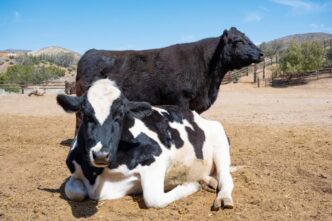
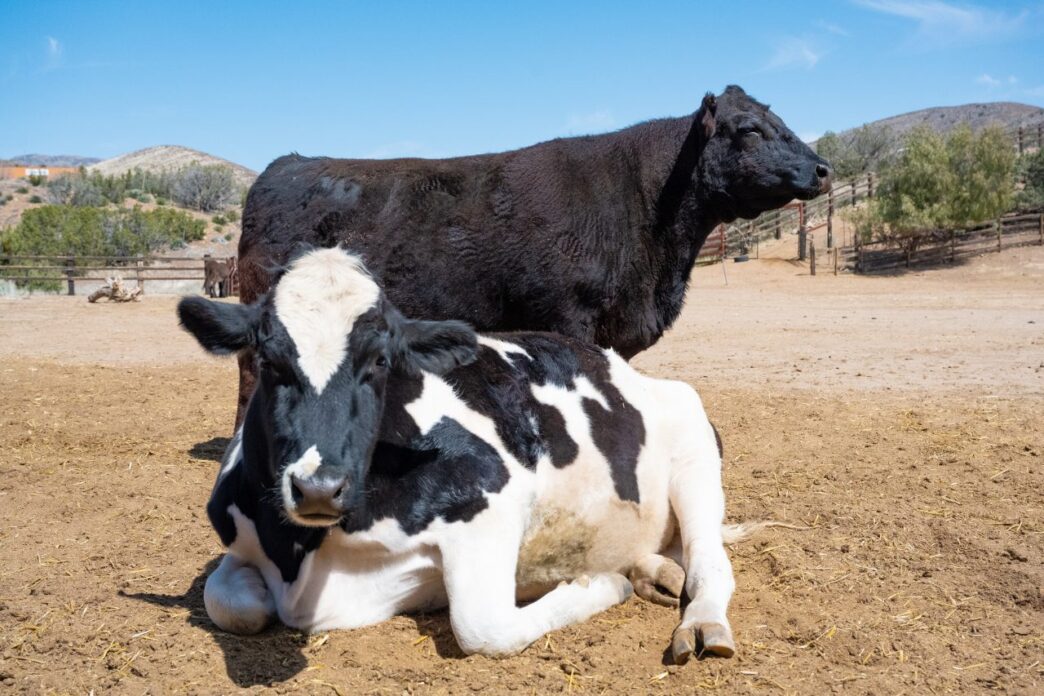
Across Nigeria’s commercial capital, Lagos State, the soaring price of beef is pushing protein beyond the reach of many households.
The price of beef across many markets in Lagos has increased in recent times, putting pressure on household budgets and influencing eating habits and meal choices.
A kilogramme of beef, which sold for between N5,000 and N6,500 in some markets in 2025, now costs between N7,500 and N9,500, depending on the cut and location.
The prices of chevon, goat meat, have also risen sharply. Medium-sized portions of goat meat now sell for between N10,000 and N15,000, compared with N7,000 and N10,000 in the previous year.
A carton of frozen chicken, which sold for between N32,000 and N38,000, now costs between N52,000 and N65,000 in many markets across the state.
Butchers in the state cite rising transportation costs, insecurity affecting the movement of livestock from northern Nigeria and higher animal feed costs as factors contributing to the persistent increase in beef prices.
The patron of the Lagos State Butchers Association, Bamidele Kazeem, told NAN that the price of cows in the state has risen to N2.5 million from N1.7 million.
A meat vendor in Lawanson Market, Gbadamosi Shonaike, said many customers can no longer afford the quantity they used to buy.
“People now buy meat in smaller portions. Some customers who usually buy one kilogramme now ask for half or even less. The cost of transporting cattle from the North has increased, and feeding animals is also more expensive,” said Sonaike.
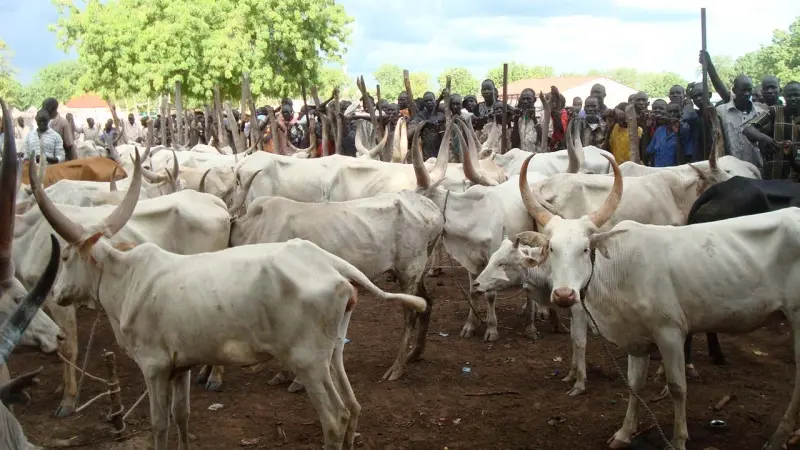
Another vendor, Giwa Ganiyu, said reduced cattle supply has worsened the situation.
“Transportation and insecurity on the roads are affecting supplies coming into Lagos. When there are fewer cows to sell, prices go up, and customers blame traders,” he said.
Soaring meat prices have forced families to reduce consumption and turn to cheaper sources of protein, such as fish and eggs.
Jaiye Ayodele, a civil servant in Surulere, said her family has now reduced meat consumption.
“We now use more fish and eggs because buying meat regularly is becoming difficult. What used to last for a week no longer lasts because prices keep rising. I wanted to buy chicken last week, but when I heard the price, I went for fish instead,” she said.
Folake Aromire, a teacher in Mushin, said meat has become unaffordable for many households and has now become a luxury.
“I love frying meat, but these days the little quantity I buy disappears almost immediately. Gone are the days when N5,000 could buy a reasonable portion of meat,” she said.
Read More : Tinubu Hosts Dangote, Rabiu, Akpabio in Lagos
Basira Apena, a food vendor at Adegoke Junction in Surulere, said the rising cost had also affected small businesses like hers.
“I had to increase food prices slightly because the cost of meat keeps going up. Some customers complain, but we are also trying to survive,” she said.
Many residents said that unless prices stabilise, more households would continue to reduce meat consumption and depend on cheaper alternatives to maintain balanced diets.