Trending
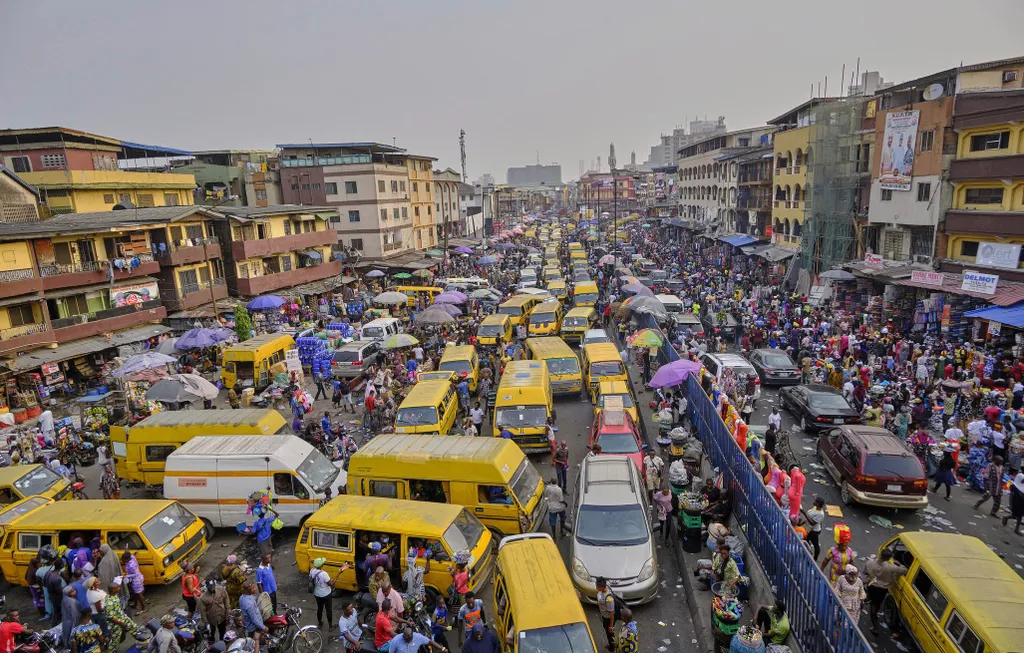
Persistent inflation, which has eroded consumers’ incomes, has worsened the economic hardship faced by many Lagos residents.
Low purchasing power has become a major economic challenge in Nigeria, especially in Lagos, where the cost of living is among the highest in the country.
The situation is more pronounced in Lagos because rent is extremely high and daily living expenses are generally higher than in many other Nigerian cities.
Some Lagos residents, in interviews with the News Agency of Nigeria (NAN), noted that prices of some food items have dropped, yet they can barely afford them due to low purchasing power.
Dorka Ike, a medical practitioner and resident of the Surulere area of the state, said that though some food prices have been stable for a while, a few residents can barely afford to feed themselves.
“We cannot categorically say food items are exorbitant currently except for a few items that are out of stock. Even the prices of garri and other food items have dropped. We used to buy a paint bucket of garri at N2,000 or N3,000 but now the same quantity is sold at N1,200 to N1,500,” said Ike.
“The problem is that most Nigerians have low purchasing power to procure these food items. Some Nigerians have cut down on food expenses due to low purchasing power. The cost of transportation is tearing deep into their pockets.”
Eugenia Uloma, a resident of the Dopemu area of the state, explained that some food items, such as beef, chicken, fish, tomatoes and pepper, are expensive while a few others are relatively affordable.
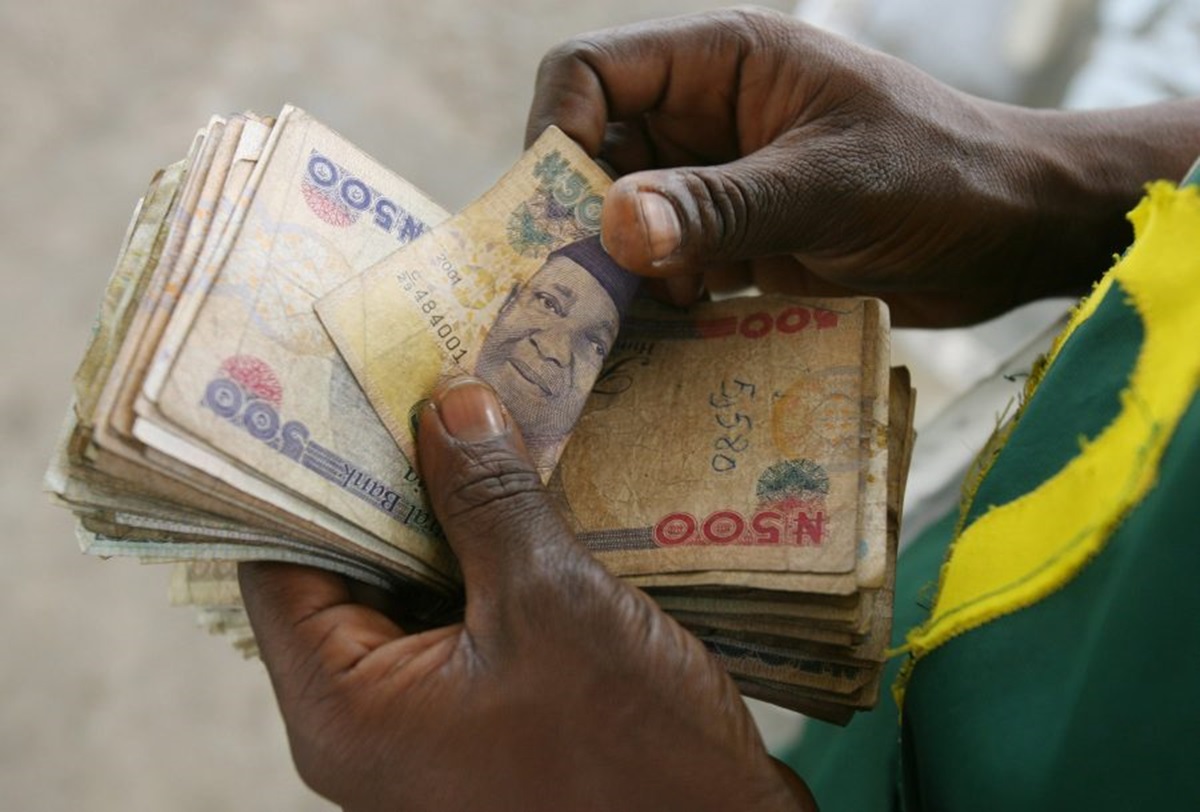
“Food items like beef, chicken, fish and even tomatoes and pepper are actually on the high side. We really can’t tell what is going on, but we make do with what we have to buy the proteins we can afford. Even eggs have been on a consistent high since last year and currently, we cannot get a good crate of eggs for less than N6,000,” she said.
“However, prices of other staples like rice, beans, corn and garri have been considerably fair and stable since the beginning of the year. A bag of rice is still between N50,000 and N55,000. Even the price of beans has been stable despite being out of stock. It’s just that people don’t have readily available resources to buy these items, the cost of living is increasing, but salaries are not increasing.”
Lilian Agunbiade, a resident of the Aboru area of the state, lamented over the low purchasing power of the majority.
“Yes, the prices of some major food items have dropped, but not enough for the masses to still afford. The drop is in comparison with past months; it is not like we experienced years ago when food prices were considerably fair for everyone to afford,” said Agunbiade.
“Some people can barely eat two meals in a day, talk more of three. We are all hoping things get better for Nigerians.”
According to Cordelia Esho, a resident of Gbagada, tomatoes are overpriced. She, however, said her household will make do with what they can afford.
Read More : APM Urges Tinubu to Withdraw from 2027 Race
“I was surprised when the price of garri dropped to N1,500 for a paint bucket, earlier this year I bought the same quantity of N3,000. But the price of tomatoes has tripled. I don’t think I will stick with it enough for the month due to the price increment,” said Esho.
“I bought a small quantity of tomatoes not up to 12 pieces for N2,500, the same quantity I bought for N500 just a few weeks ago.We will manage what we can afford.”
Since the removal of fuel subsidies in 2023 and the continued weakening of the naira, the prices of basic goods have risen sharply. Food inflation, in particular, has hit households hard, with staples such as rice, bread, cooking oil and tomatoes becoming significantly more expensive.