Trending
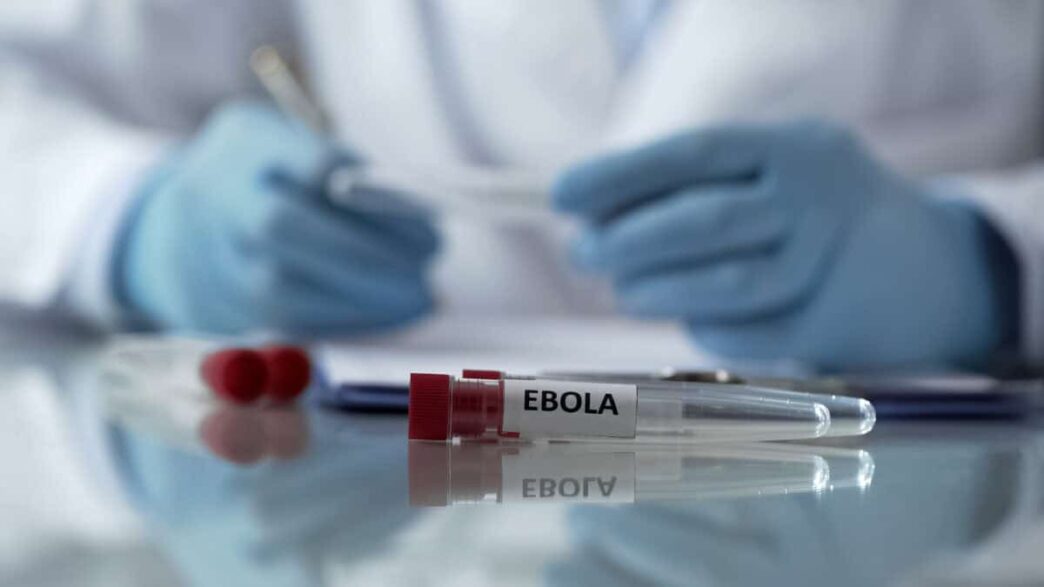
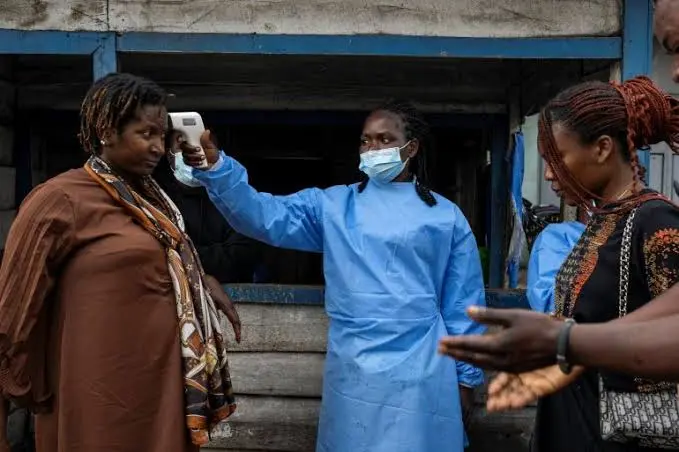
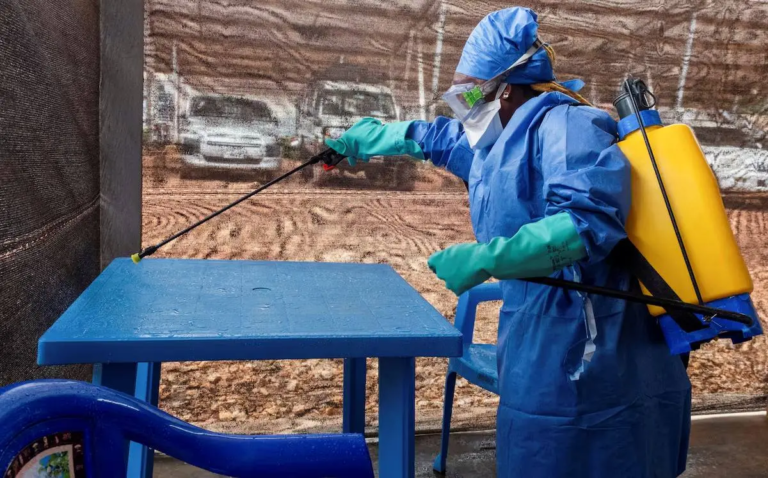
The death toll from a rapidly expanding Ebola outbreak in the eastern Democratic Republic of Congo has risen to 131, prompting the head of the World Health Organisation to express deep concern over the epidemic’s alarming scale and velocity.
The surge follows 26 newly recorded fatalities within a single 24-hour window, forcing WHO Director-General Tedros Adhanom Ghebreyesus to declare the situation a global health emergency.
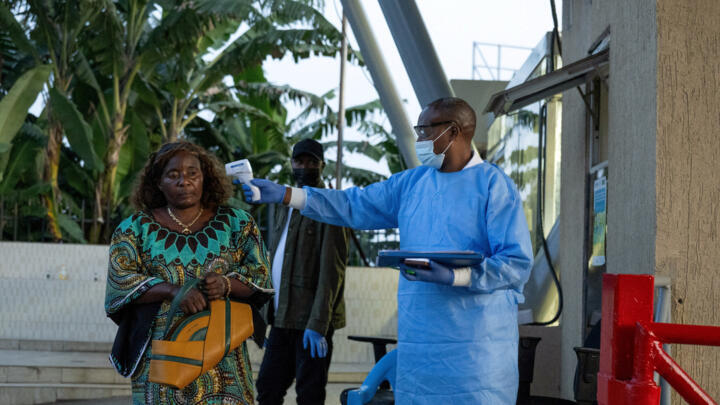
Health authorities have now tracked 543 suspected cases of the rare Bundibugyo strain, which bypassed detection for weeks across a densely populated region heavily impacted by ongoing armed conflict.
Read More : France to Step Up Ebola Funding in DR Congo
The virus has successfully breached Butembo, a major metropolitan hub of several hundred thousand residents, which documented its first two confirmed cases.
Fearing further cross-border transmission, neighbouring nations are unilaterally tightening border security.
Uganda has begun restricting movement at the Ishasha-Kyeshero crossing, while authorities are blocking Congolese travellers from entering Rwanda.
These containment strategies directly contradict WHO warnings, which advise that official border closures often worsen outbreaks by driving individuals toward unmonitored, informal crossings.
Compounding the crisis is a complete lack of approved vaccines or targeted therapies for this specific Bundibugyo strain, alongside severe diagnostic bottlenecks that limit testing to just six samples per hour.
Global health experts attribute these critical operational gaps to severe funding cutbacks from major international donors, including the United States, which formally withdrew from the WHO under President Donald Trump.
While the WHO warns that these financial reductions have severely crippled regional pandemic preparedness, a panel of international experts is meeting urgently to evaluate experimental vaccine candidates.
The crisis has also triggered strict domestic restrictions in Washington after an American missionary doctor tested positive for the virus.
Read More : DR Congo Ebola Deaths Surpass 4,000
The U.S. Centres for Disease Control and Prevention evacuated the infected physician and six exposed citizens to Germany for specialised care.
In tandem, Washington implemented a 30-day suspension on travellers arriving from the DRC, Uganda, and South Sudan.
This travel ban was swiftly criticised by the Africa CDC, which warned that severe border and travel constraints damage local economies and heavily disrupt vital humanitarian relief operations.