Trending
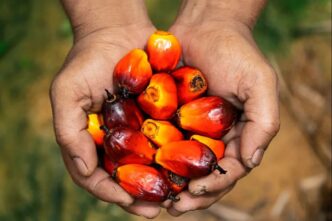
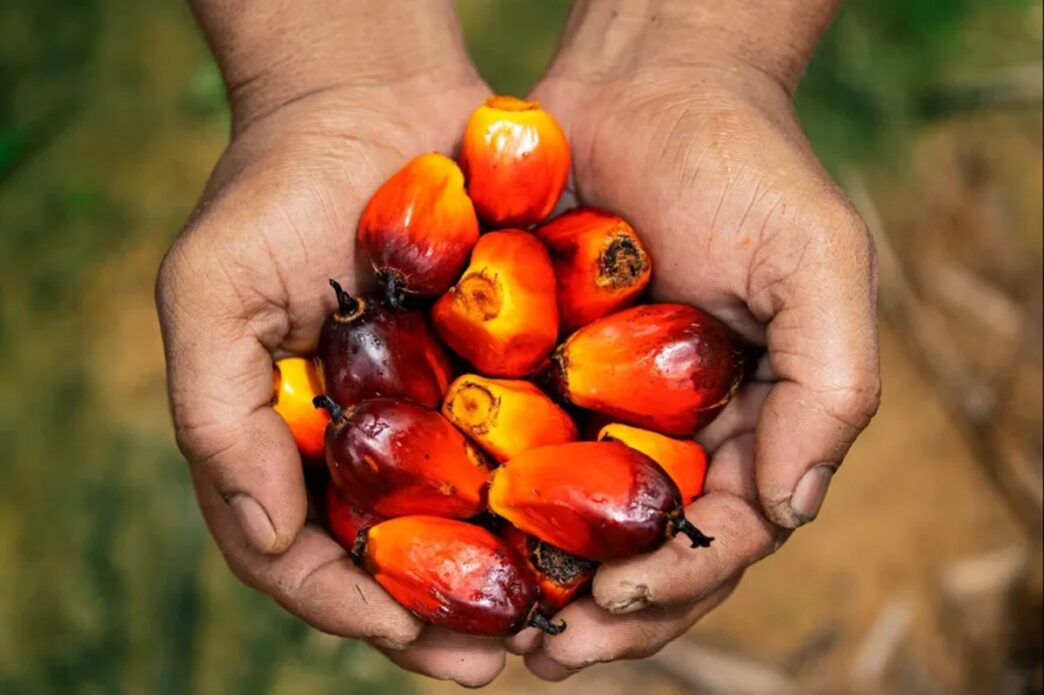
Indonesian President Prabowo Subianto has announced new export controls on key commodities, including crude palm oil, coal and iron-containing alloys, as the government moves to tighten oversight of natural resource exports and boost tax revenue as global economic pressures heighten.
Speaking before parliament on Wednesday, Prabowo said future exports of the affected commodities would be channelled through government-appointed state-owned enterprises.
“This means that the proceeds from every export sale will be passed on by the state-owned enterprises appointed by the government to the business operators managing those activities,” Prabowo said.
Read More : CBN Approves JPMorgan Merchant Bank Plan
He said the policy was aimed at strengthening monitoring of export earnings and curbing practices such as underpayment of taxes, under-invoicing, transfer pricing and capital flight.
The Indonesian leader described the measure as part of broader efforts to improve the governance of the country’s natural resource sector and ensure the state has clearer oversight of export transactions.
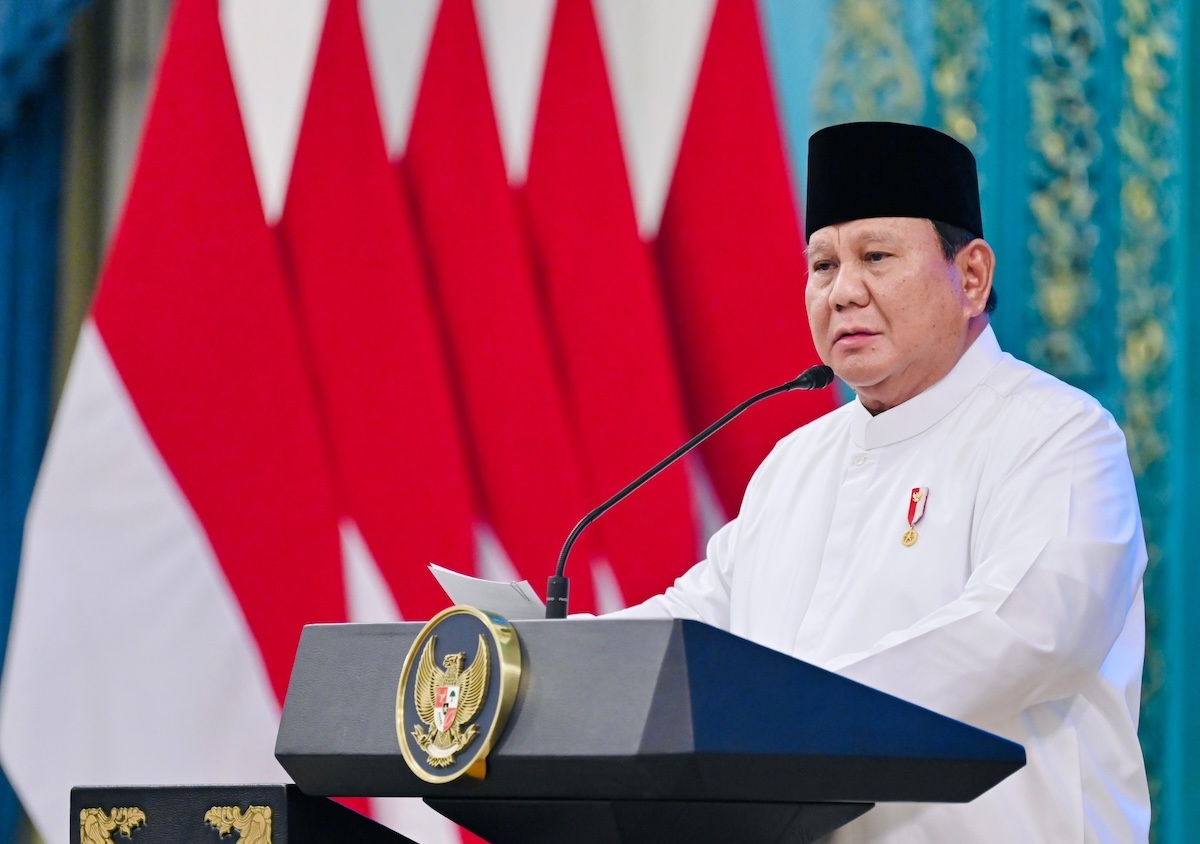
“The issuance of this regulation is a strategic step to strengthen the governance of exports of our natural resource commodities,” he said.
“The main objective of this policy is to strengthen supervision and monitoring and to eradicate underpayment practices, under-invoicing, transfer pricing practices, and capital flight of export earnings.”
The announcement triggered market reactions, with the Jakarta Stock Exchange falling nearly 1.5 per cent before noon trading.
Indonesia’s Palm Oil Farmers’ Organisations Association warned that the regulation could significantly reshape the country’s palm oil trade structure and create room for monopolistic practices.
Despite economic uncertainty linked to the conflicts in the Middle East and Ukraine, Prabowo maintained that Indonesia’s economy remained on track, with projected growth of between 5.8 and 6.5 per cent next year.
He also said the government would work to stabilise the rupiah and maintain fiscal discipline, while acknowledging that global geopolitical tensions were affecting Indonesia’s economy, particularly as the country remains a net oil importer.
Prabowo said the export measures were also part of efforts to ensure Indonesia gains greater control and transparency over the sale of its natural resources abroad.
The new export regulations, he added, was an attempt to better manage “what belongs to us.”
Read More : Melania Trump Announces Oleshky Ceasefire
“We must believe that all of Indonesia’s natural resources belong to the Indonesian people,” the president said.
“Therefore, the state has the right to know in detail which of our natural resources are being sold outside Indonesia. We do not want to be deceived any longer. We want to know exactly how much of our wealth is being sold.”