Trending
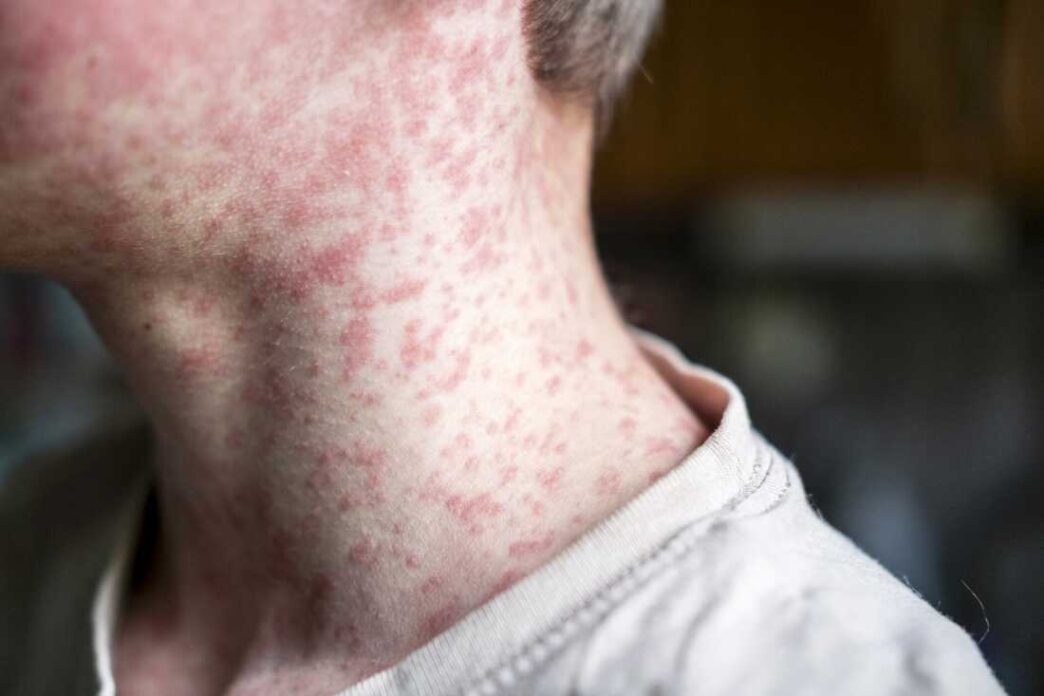
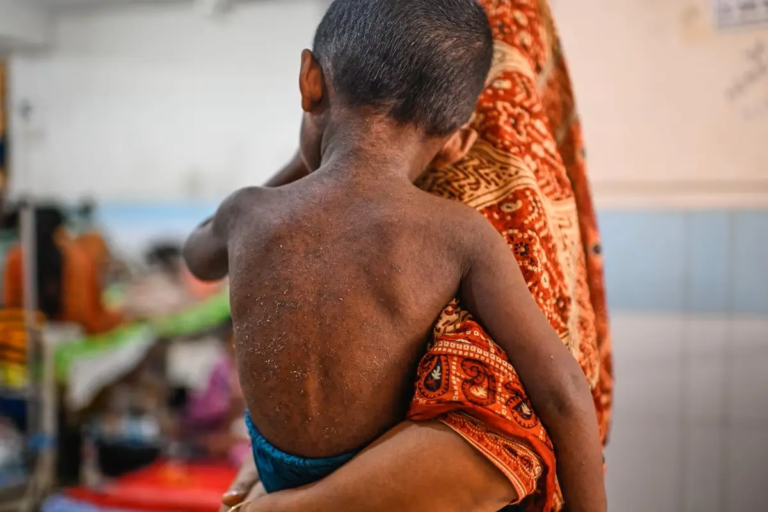
The measles outbreak in Bangladesh has claimed the lives of more than 500 children, according to government figures released on Saturday, marking the country’s deadliest surge of the disease in decades.
Health authorities said 512 children have died since March 15, including 13 fatalities recorded within the past 24 hours.
Hospitals in the capital, Dhaka, have reportedly struggled to cope with the growing number of cases, with some facilities opening dedicated measles wards despite shortages of intensive care beds.
The government has launched a nationwide vaccination campaign in response to the outbreak.
The United Nations International Children’s Emergency Fund (UNICEF) country representative, Rana Flowers, said this week that about 18 million children had so far been reached through the programme.
However, health officials warned that it could take months before the effects of the immunisation drive become fully visible.

UNICEF said on Wednesday that the disruptions linked to the political unrest that followed the 2024 uprising in Bangladesh contributed to gaps in routine immunisation, leaving many children vulnerable to infection.
Doctors said many of the affected children were malnourished or had weakened immune systems, while most cases involved children between six months and five years old.
Ainul Islam Khan, a Paediatrician at Dhaka’s Shaheed Suhrawardy Medical College and Hospital, told AFP that many children brought to the hospital were already critically ill, often suffering severe respiratory complications and infections affecting the eyes, throat and lungs.
“Though measles is highly contagious, a healthy baby with no complications can survive with minimal medication,” Ainul Islam Khan said.
“Here, most children came to the hospital with respiratory distress and infections in the eyes, throat and lungs.”
Health experts have continued to call for stronger vaccination programmes and increased investment in healthcare infrastructure and disease surveillance systems to contain the outbreak.