Trending
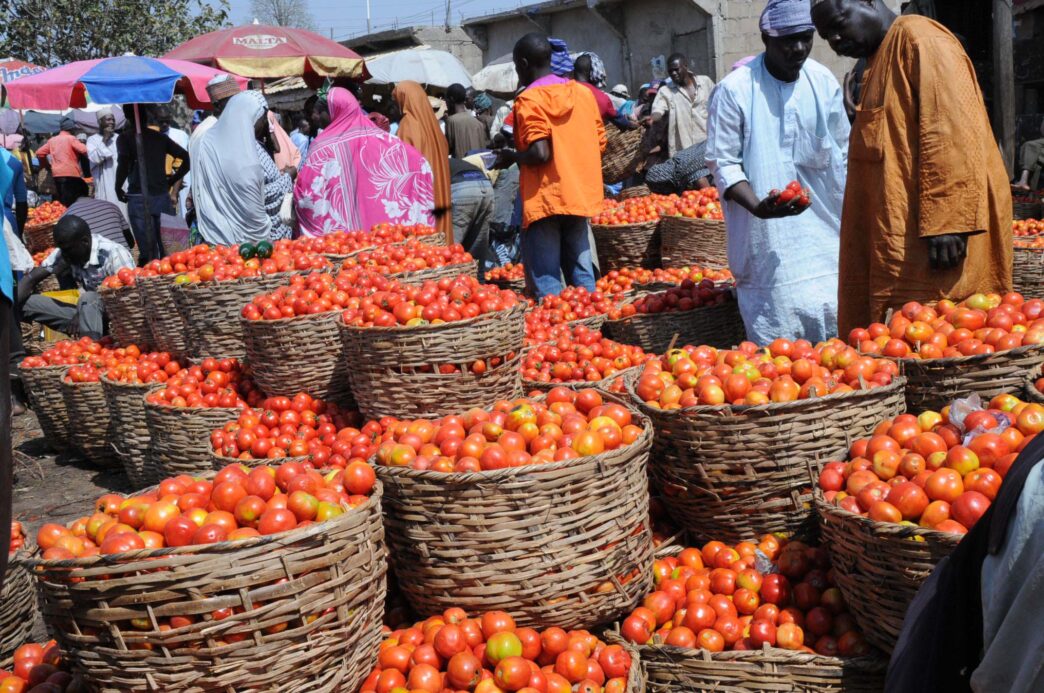
Some traders in the Federal Capital Territory (FCT) and residents have expressed concern over the continuous rise in the prices of perishable goods such as tomatoes and peppers.
The traders and residents, in separate interviews with the News Agency of Nigeria (NAN), said food items such as tomatoes, pepper, and fruits have become increasingly unaffordable, even during their harvest periods.
A bag of onions, which previously sold for between N30,000 and N40,000, now goes for between N60,000 and N70,000.
Also, a basket of cayenne pepper (shombo) now sells for between N12,000 and N13,500, compared with previous prices of N7,000 to N9,000.
According to traders, tomato and pepper prices have risen in recent weeks and worsened over the past few days due to increased demand ahead of the Eid-el-Kabir celebration.
Idris Adamu, a tomato and pepper dealer at Gwagwalada Market, told NAN that the current economic situation in the country had affected virtually every item in the market.
Adamu said the prices of tomatoes and pepper, particularly tomatoes, had continued to fluctuate since March.
“Between March and May, the price of a big basket of tomatoes fluctuated between N60,000 and N100,000, compared with N20,000 to N35,000 in February. If you go round the market, you will discover that some of us dealing in tomatoes and pepper do not even have goods to sell,” Adamu said.
“Some traders are afraid customers may not be willing to spend so much on tomatoes because the increase in the price of baskets will also affect the price of smaller quantities.”
He appealed to the government to provide agricultural and transportation support for farmers to ensure stable food prices.
Maryam Salawu, a trader, said she was unable to buy tomatoes and pepper for resale because the prices were beyond her budget.
She said she preferred to wait until prices reduced rather than risk making losses, as many customers could no longer afford the items.
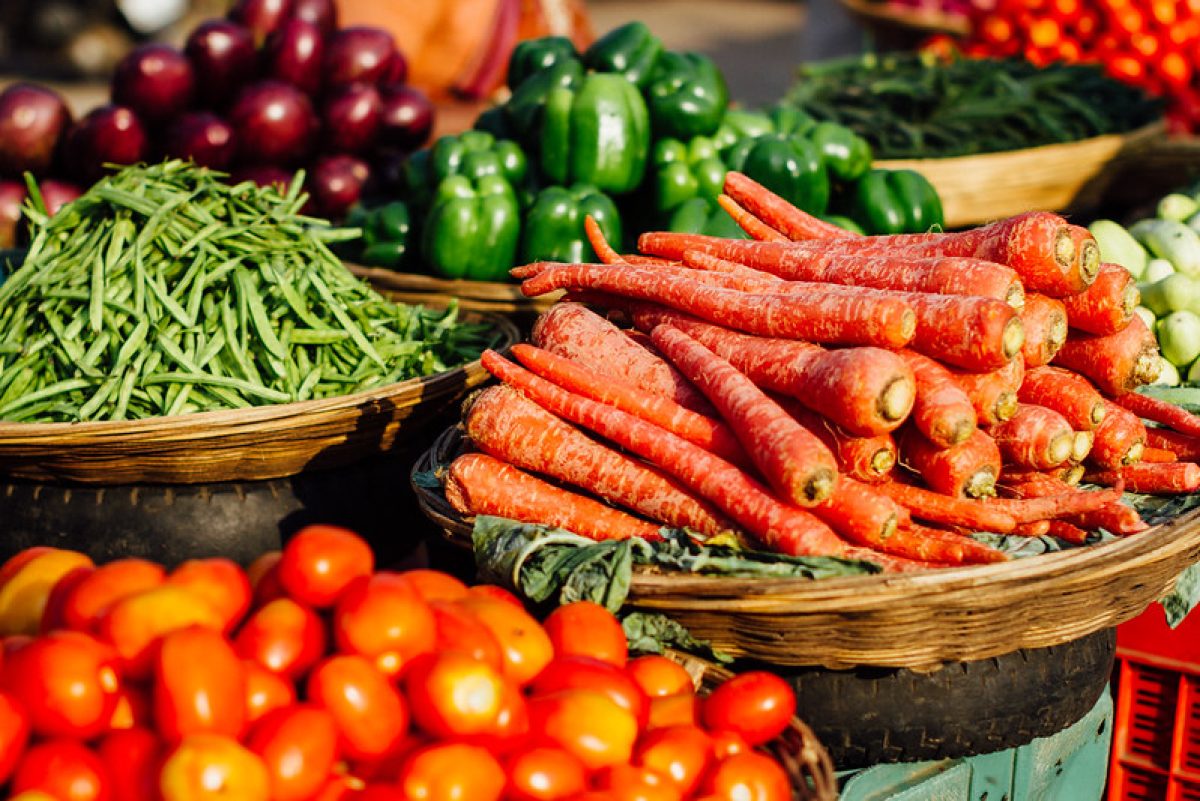
Salawu attributed the high prices to the Eid-el-Kabir celebration and the prevailing economic situation in the country.
Firdausi Bello, a civil servant and mother of three, described the situation as unbearable, saying it had become increasingly difficult for average Nigerians to feed their families.
She said prices of most food items had risen sharply within a few days, adding that she could no longer afford to buy a custard bucket of tomatoes.
“I am shocked at the price of tomatoes and peppers. I cannot afford to buy a bucket of tomatoes for N6,500, while some sellers charge N7,000 for the same quantity that sold for N2,500 a few days ago. The only alternative I have now is to continue buying dried tomatoes and pepper until the prices reduce,” she said.
“As a civil servant, if I spend N6,500 on just one bucket of tomatoes, how much will remain for other household needs? It is high time the government looked into the plight of Nigerians. People are really suffering.”
Similarly, in Karu and Nyanya, commodity prices also increased, with a big basket of tomatoes selling for between N65,000 and N80,000.
Joy Aromeh, a trader, said a big basket of tomatoes, which previously sold for between N13,000 and N20,000, now sells for between N65,000 and N80,000.
She added that a bag of okra, which previously cost between N8,000 and N10,000, now sells for between N20,000 and N30,000.
According to her, the perishable goods business is no longer as profitable as before, as customers constantly complain about high prices.
She said many customers now prefer dried tomatoes because they are cheaper, adding that fresh produce often spoils due to low patronage.
Aromeh appealed to the government to reduce fuel prices to ease the burden on traders and consumers.
Another trader, Abdul Isiaku, said a small bag of tatashe, which previously sold for between N10,000 and N15,000, now costs between N70,000 and N85,000.
Isiaku said the increase had made it difficult for him to purchase a full bag on his own, forcing him to contribute money with other traders to buy and share it.
He attributed the increase mainly to rising transportation costs, with a slight rise also due to the Eid-el-Kabir celebration.
Isiaku also appealed to the relevant authorities to address the rising cost of fuel.